
The Craft of Making Linhai Baishuiyang Tofu
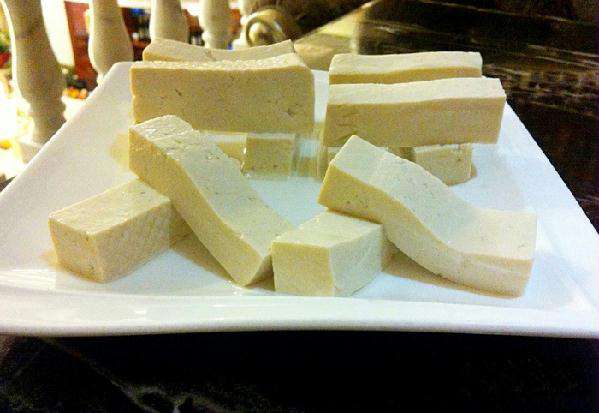
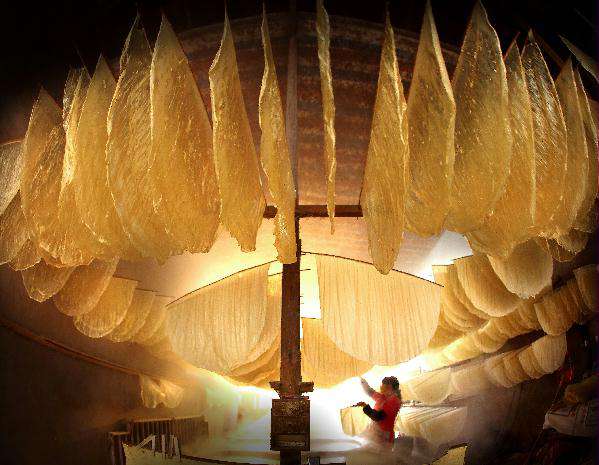
Baishuiyang tofu, along with its by-products such as dried tofu, tofu puffs, tofu skin, tofu pudding, and soy milk, is known as one of the “Three Treasures of Baishuiyang” — alongside Baishuiyang dog meat and steamed buns. It is a celebrated local dish, well-known throughout neighboring cities and counties.
The handmade craft of Baishuiyang tofu has a long history. For generations, people have praised its taste, yet the detailed production process has often been kept secret. The techniques for making Baishuiyang tofu and its by-products have been passed down orally and through hands-on demonstration from masters to apprentices. The quality of the tofu largely depends on the artisan’s experience, reflecting clear characteristics of intangible cultural heritage.
Baishuiyang tofu is smooth, tender, and delicate in texture, with a fresh and fragrant taste. Rich in protein, amino acids, and other nutrients, it has long been favored by consumers.
Before the founding of the People’s Republic, family-run tofu workshops were already widespread in Baishuiyang. Thanks to the use of high-quality June soybeans as the main ingredient, excellent local water sources, and brine as a coagulant (instead of gypsum), Baishuiyang tofu is more fragrant, soft, and tender, with a smoother and fresher taste.
In recent years, mechanical production has largely replaced traditional handmade tofu. While this has significantly increased daily output, it has also affected the authentic flavor. Handcrafting tofu and its related products — such as dried tofu, tofu puffs, tofu skin, and tofu pudding — is a demanding process. It requires high skill, long hours, physical effort, and takes place in often poor working conditions with low profit margins. As a result, very few young people are entering the trade.Preserving the handmade craft of Baishuiyang tofu has now become an urgent task.
Translator:Jiayang Lin