
People’s Daily Spotlight Where Mountains Meet the Sea: Experience Taizhou’s Harmony
Taizhou, a coastal city in eastern China, lies where mountains, sea, and urban life converge — a place where the ancient philosophy of Hehe (the spirit of harmonious integration) continues to shine with vitality. Deeply rooted in Chinese history with local experience, the Hehe culture of moderation, inclusiveness, integrity, and harmony in diversity reflects enduring values handed down through generations.
President Xi, then Secretary of the Zhejiang Provincial Party Committee, explained in detail in his work Zhejiang, China: A New Vision for Development that the first “He” of Hehe culture indicates harmony, peace, and balance, while the second “He” indicates convergence, unity, and cooperation. Since 2012, the pursuit of harmony and coexistence has been repeatedly highlighted as a practical expression of Hehe culture, navigating social governance and public affairs.
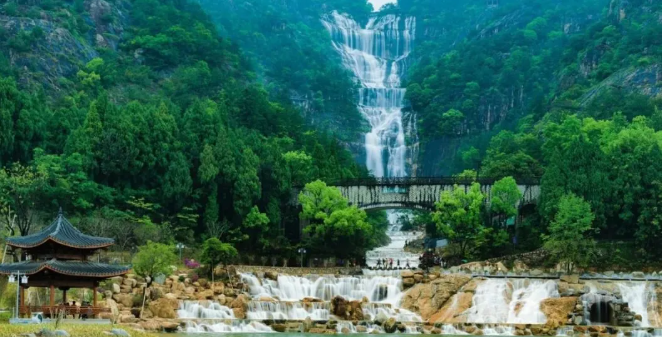
As demonstrated not only in the wisdom of ancient classics, but also in everyday sayings, the philosophy of Hehe permeates all aspects of life in Taizhou, Zhejiang.
In Taizhou, mountains rise in lush green, revealing a landscape where people and nature coexist in harmony. In Taizhou, Hehe culture takes center stage in social governance, responding to everyday matters that truly matter. In Taizhou, international exchanges and win-win cooperation continue to unfold, offering a glimpse into the city’s vibrant connections around the world. Let’s zoom in to savour the unique beauty of Hehe culture firsthand.
Amid the Mountains: Witness Human-Nature Harmony in the Yangmei Groves
“Yangmei (Chinese bayberry) trees are our ancestors’ gift of livelihood,” says Shen Shucheng, a yangmei farmer weeding his trees early one morning in Cheng’ao Village, Hengxi Town, Xianju County, Taizhou. On this land, yangmei has long been celebrated as a fruit of prosperity. In 2024, the yangmei plantations in this county covered 147,000 mu (about 9,800 hectares) and yielded 121,000 tons of fresh fruit, with a direct market value of 1.23 billion yuan (approximately USD 170 million). The total output value of the entire industry chain reaches 4.5 billion yuan (around USD 620 million).
The story goes beyond yangmei agriculture, presenting a broader picture of human-nature harmony.
Take a closer look at these yangmei trees: thick, sturdy trunks, purplish-red fruits, and broad, canopy-like crowns. Beneath them stretches a carpet of tea bushes, hiding beehives and free-range chickens pecking and flapping about. This integrated system, the “Xianju Ancient Chinese Yangmei Composite System” is a veritable agricultural legacy of China and a model for yangmei cultivation, tea cultivation, poultry, and apiculture worldwide.
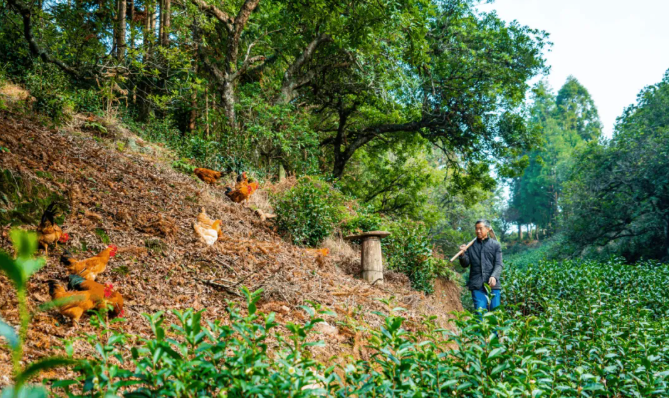
The Xianju Ancient Chinese Yangmei Composite System for mountainous regions featuring yangmei cultivation, tea cultivation, poultry, and apiculture
These yangmei growers are well aware of the harmony underlying this system. Yangmei flourishes in shade, tea trees thrive in moist soil, chickens feed on insects and keep the weeds in check, and bees pollinate the plants while producing honey. Together, they form a self-sustaining, mutually supportive ecosystem.
Building on this ecosystem, tea is harvested in spring, yangmei collected in summer, honey in autumn, and chickens sold in winter, providing a stable income for at least eight months of the year. Such harmonious integration between humans and nature has doubled the productivity of the land. As Shen Shucheng explains, even a modest plot of 300 yangmei trees can generate around 100,000 yuan (approximately USD 14,000) in fresh fruits each year. Raising 300 chickens beneath them can add another 50,000 yuan (about USD 7,000). Combined with income from tea and honey, the land yields a surprisingly high and steady return.
Living in harmony with nature is not merely about making use of it, but about safeguarding and coexisting with it.
More than 13,000 ancient yangmei trees—most several hundred years old, with some over a thousand—have been identified and protected in Xianju County, Taizhou, standing as living witnesses to the harmonious coexistence of local agricultural traditions and natural heritage.

The Hehe culture comes alive amid the mountains in Taizhou. Here, the air is among the cleanest in China, forests blanket 53.55% of the land, and biodiversity thrives across two provincial and fourteen municipal experience sites. Here, humans and nature always remain side by side.
Across the City: Harmony in Action through Social Governance
From Tiantai Mountain, one can gaze down at Tiantai town, stretched east to west along both banks of a river. In the Hehe Mediation Center, Shi Renli’s office resonates with laughter—the relief and joy of a successfully resolved dispute.
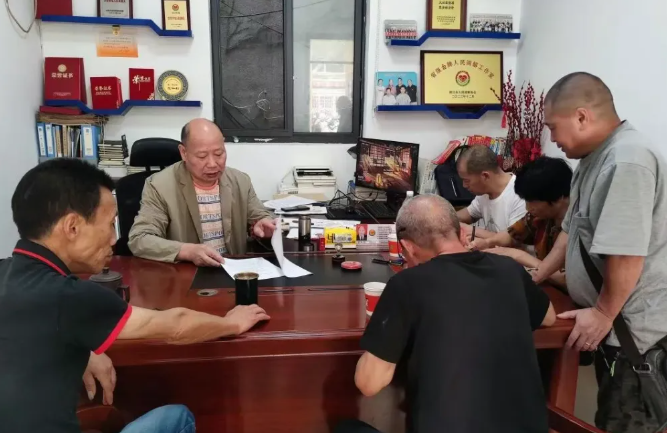
In the Hehe Mediation Center in Tiantai County, Shi Renli (second from left) carefully mediates a local dispute
“If it weren’t for your help, I wouldn’t know when I’d get the money to repair my house,” says resident Jiang Yijun with a broad smile, shaking hands with Shi Renli, a full-time mediator.
It all began two years ago, when Jiang Yijun got angry over wide cracks that appeared in his house walls. The damage was caused by vibrations from construction in a neighboring new residential complex. Frustrated after several failed attempts to negotiate with the developer, he exclaimed, “No construction until a proper compensation!” In the end, Jiang turned to the Hehe Mediation Center for help.
After learning the details, Shi Renli tried his best to bridge their gap.
Mr. Ye, representing the developer, showed his construction plans and protested, “We are fully compliant and operating entirely within regulations.” Shi, armed with a tape measure and camera, spent his days with the developer working on vibration-reduction solutions and his nights at Jiang’s home assessing the damage.
“Compliant construction should not be stopped, but rights of residents must also be protected. I will find a way out.” After several rounds of discussion and negotiation, Shi facilitated a step-by-step agreement: the developer would adjust the schedule of machinery operations, while residents would not obstruct construction; once the ground was backfilled, a third-party inspection would be commissioned, and the developer would compensate based on the inspection report.
Not long ago, Jiang Yijun received nearly 70,000 yuan (around USD 10,000) in compensation, while the construction finished without delay. With similar happy endings, Shi’s Hehe Mediation Center resolves over 300 disputes each year, the walls proudly lined with banners from grateful residents—a tangible celebration of Hehe-inspired harmony in action.
“Hehe culture values harmony, and that’s also my secret to mediation.” Shi reflects on his decades of experience. “Mediation isn’t about sweeping problems under the rug; it’s more like practicing Chinese medicine. You need to diagnose carefully, and then treat the root cause.”
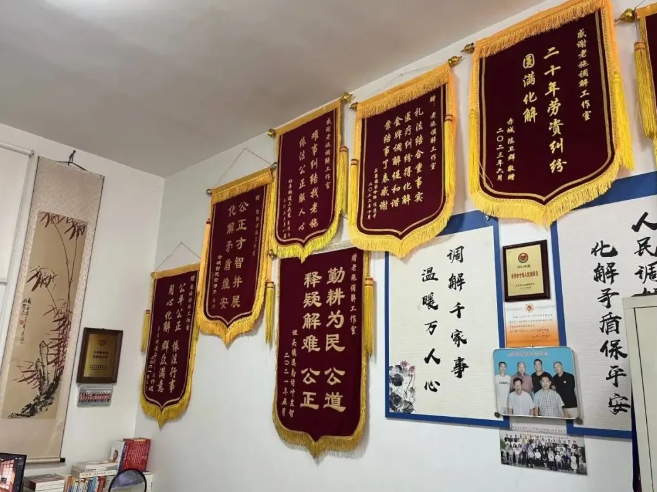
More than harmony, Hehe culture embodies unity as well.
Tiantai County has put Hehe culture into practice in an innovative way by establishing 3 cross-regional “Harmony-First” Hehe Mediation Centers in the east, central, and west of the county. “Through this grouping of neighbouring towns, we are demonstrating the unity of Hehe culture,” says Shi Renli. “Take the central center as an example: its mediation coverage has expanded from a single street to three streets, two towns, and one township. With no administrative boundaries to slow us down, the process becomes easier, and disputes are resolved more effectively.”
To resolve disputes is also to safeguard the well-being of the wider community. Taizhou, the birthplace of Hehe culture, has pioneered a new path in local governance guided by the principles of harmony. Across its counties, districts, and cities, mediation centers inspired by Hehe philosophy bring together congress representatives and experts for efficient local management. This innovative approach has given rise to a series of successful social governance initiatives, including Hehe democratic consultations, Hehe neighborhoods, and Hehe villages, illustrating the practical value of Hehe culture in modern society.
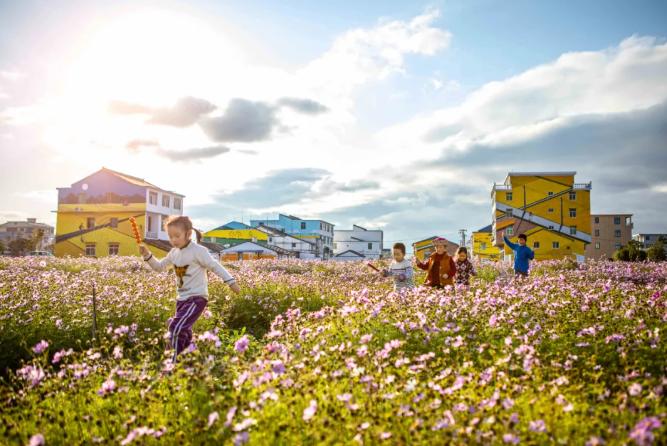
Since 2021, Taizhou has successfully mediated 368,200 cases of social disputes, with settlement agreements totaling over 17 billion yuan (approximately USD 2.3 billion). Its Hehe-inspired mediation approach has been recognized as part of Zhejiang Province’s New Era Governance Model and the city has been designated a national pilot for modern social governance.
Taizhou is clear that the city will build on its long history and cultural heritage to uphold integrity, embrace innovation, and carry forward its cultural mission in the new era. By actively promoting and adapting Hehe culture, Taizhou aims to foster exchanges and mutual learning between Chinese and global civilizations, positioning itself as a practitioner, ambassador, and landmark of Hehe culture.
Beyond the Sea: Cooperate in Harmony on the International Stage
Situated along the coast of the East China Sea, Taizhou has long been a hub of commerce and trade.
In earlier times, local merchants would often inscribe “Hehe as a Guiding Principle” on their shop signs, embodying the wisdom that harmony brings prosperity.
Today, the philosophy of Hehe continues to spark successful stories in both domestic and international business exchanges.
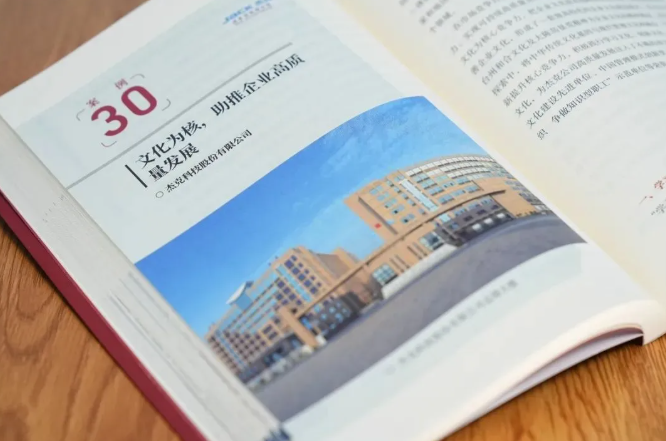
“The most difficult part of working with overseas companies is finding common ground on cultural values,” recalls Zheng Haitao, General Manager of the International Business Department at Jack Technology Co., Ltd., a private enterprise in Taizhou.
He remembers a recent challenge: “When collaborating with our foreign partner, we faced disagreements over market expansion.” At the time, Jack Technology had acquired an Italian company called MAICA, and both sides were developing the Brazilian market together. “We planned to bring in new distributors, but the Italian team was concerned that this might affect the interests of their existing distributors,” he explains.
The solution comes from harmony in diversity.
“Differences are not a problem; what matters is to seek harmonious cooperation in diversity,” Zheng continues. Chinese culture favors win-win cooperation; success is not a zero-sum game. Distributors can grow the market together.
Guided by this Hehe culture, Jack Technology brought capital and channels to the table, while MAICA contributed expertise. The partnership quickly paid off: new distributors generated orders surpassing the previous year’s total sales in Brazil. “We are now understanding the Chinese wisdom of Hehe culture,” MAICA remarked.
For Zheng, this experience is unforgettable. “Respecting each other’s culture is the key to long-term cooperation. It allows both sides to share knowledge, integrate expertise, and grow together for mutual benefits.”
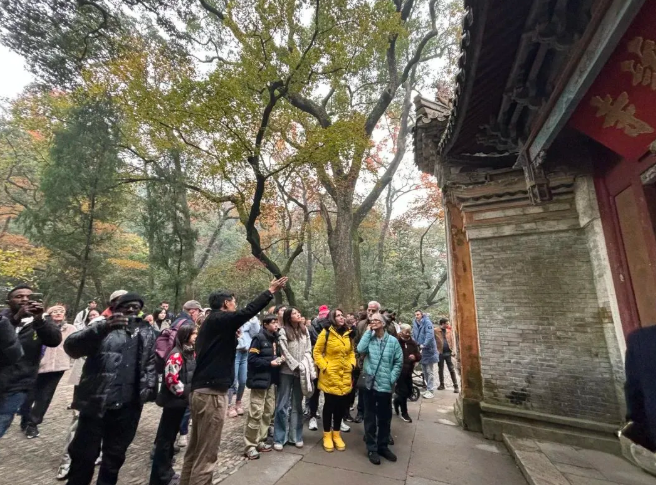
International Guests visit Guoqing Temple in Tiantai County
Since 2019, Taizhou has worked hand in hand with its overseas businesses and the global Chinese community, gradually setting up 29 international outposts. These vibrant hubs not only connect China with the world, but also share China’s rich heritage and tell good stories to the world.
Why Taizhou, Why Hehe Culture
There is a saying in Taizhou: “The local dialect may be hard to understand, but smiles are a universal language.”
Why Taizhou? Why Hehe culture?
The answer lies in our shared cultural resonance. From mountains to sea, from city streets to bustling markets, such harmonious integration nurtures heartfelt warmth for all.
It’s about continuity. From the ancient records in the Guoyu noting that “commercial agreements can harmonize the Five Teachings,” to today’s emphasis on harmony and grace, generations have drawn from the same cultural heritage, standing together and nourished by shared values.
It’s about vitality. From intangible values of harmonious integration to tangible practices, Hehe mediation has become fresh approaches to resolving disputes and advancing social governance.
It’s about far-reaching relevance. The Hehe culture with its mutual respect, win-win collaboration and harmonious coexistence surpasses boundaries, showcasing contemporary significance and global relevance.
Embrace the charm of Hehe culture in Taizhou. Uniting past and future, we step forward as one
Translator:JingJing Shi