
Fresh & Umami: Taizhou Flavour Wows Geneva! Local Fare shines at WIPO Gastronomy showcase
On July 8, the Chinese Culinary Culture Exhibition of the 66th Series of Meetings of the Assemblies of the Member States of World Intellectual Property Organization (WIPO) co-hosted by the National Copyright Administration of China and the Permanent Mission of China to the United Nations in Geneva, was held in Geneva, Switzerland.
Leading the charge for Zhejiang cuisine was Taizhou’s flagship brand Xinrongji, which unveiled its signature dish “Golden-Brick, White-Jade.”
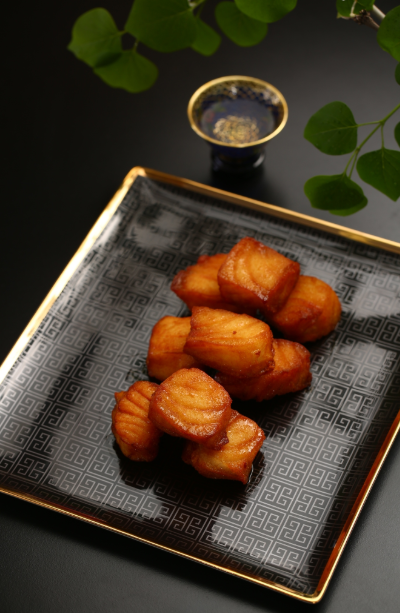
With “the fresh umami of Taizhou” as its guiding concept, the Xinrongji culinary team slow-smoked French silver cod in a Taizhou sweet-and-sour glaze, blending Shanghai finesse with the briny purity of East-Zhejiang and prompting delegates to reach for another piece of the just-cooked tenderness.
“Our ‘Golden-Brick, White-Jade’ has been a signature of Jing-ji Rong-school imperial-style cuisine for almost a decade, and its reception in the market has always been enthusiastic,” said Ding Yong, Executive Head Chef of Beijing Xinrongji Jingji Catering Management Co. “We are honoured to bring it to the international stage and delighted to see diners from every nation enjoy it.”
A native of Linhai, Taizhou, Ding Yong has been with the Xinrongji group since 2001, devoting more than two decades to refining the Rong-school cuisine while constantly re-imagining Jiangzhe dishes. Today, he is one of the key voices taking Taizhou cooking abroad.
“To bring Taizhou cuisine to the world you can’t simply transplant it intact,” he insists. “It has to be step-by-step. Start with ingredients that are familiar to the local palate, apply Taizhou techniques, and let diners taste the difference. Once acceptance grows, we can introduce authentic Taizhou produce—and the reputation of Taizhou follows.”
Taizhou’s culinary heritage runs deep, and its appearance at the WIPO gastronomy showcase has become a milestone in the city’s bid to be a UNESCO “Creative City of Gastronomy” and advance the global protection of its culinary intellectual property. Through live demonstrations of intangible-heritage skills and exhibitions of iconic ingredients, Taizhou’s culinary profile rose another notch, laying stronger international groundwork for the bid.
Just as importantly, the event created a forum for discussing how recipes,传统工艺 (traditional craftsmanship) and regional brands can be shielded by cross-border intellectual-property tools—giving Taizhou restaurateurs a clearer route to partner with overseas brands, open foreign markets, and protect their innovations abroad.
According to the organizers, 25 top chefs from 10 Chinese provinces, autonomous regions and municipalities brought 34 signature dishes to the event, offering the 1,500-plus delegates from more than 200 countries and regions a dual feast of flavour and culture.
Translator:JingJing Shi