
Tasting Taizhou | Why Can't Taizhou's Ultimate Flavors Be Hidden?
Following the gifts of mountains and seas, we turn the pages of Taizhou's vibrant culinary scroll. Here, the kitchen fire reflects the artisan's heart; the wine steamer exudes the intoxicating aroma of time. Ingredients carry the code of the land; taste buds remember the imprint of freshness. The focus of the back kitchen, the clamor of the fish market, the persistence of the winery, the heritage of the alleyways—every dish, every sip, every custom, every act of perseverance embodies the warmth of shared prosperity, the living legacy of intangible cultural heritage, and the steadfast footsteps of Taizhou as it marches toward becoming the "World City of Gastronomy."
This time, we follow the filming crew of CCTV-4's Top Dish of a Hundred Cities Season 2, Episode 10, "Tasting Taizhou," as we explore this hidden paradise where mountains and seas meet to give birth to extraordinary flavors—signature dishes that can no longer be concealed.
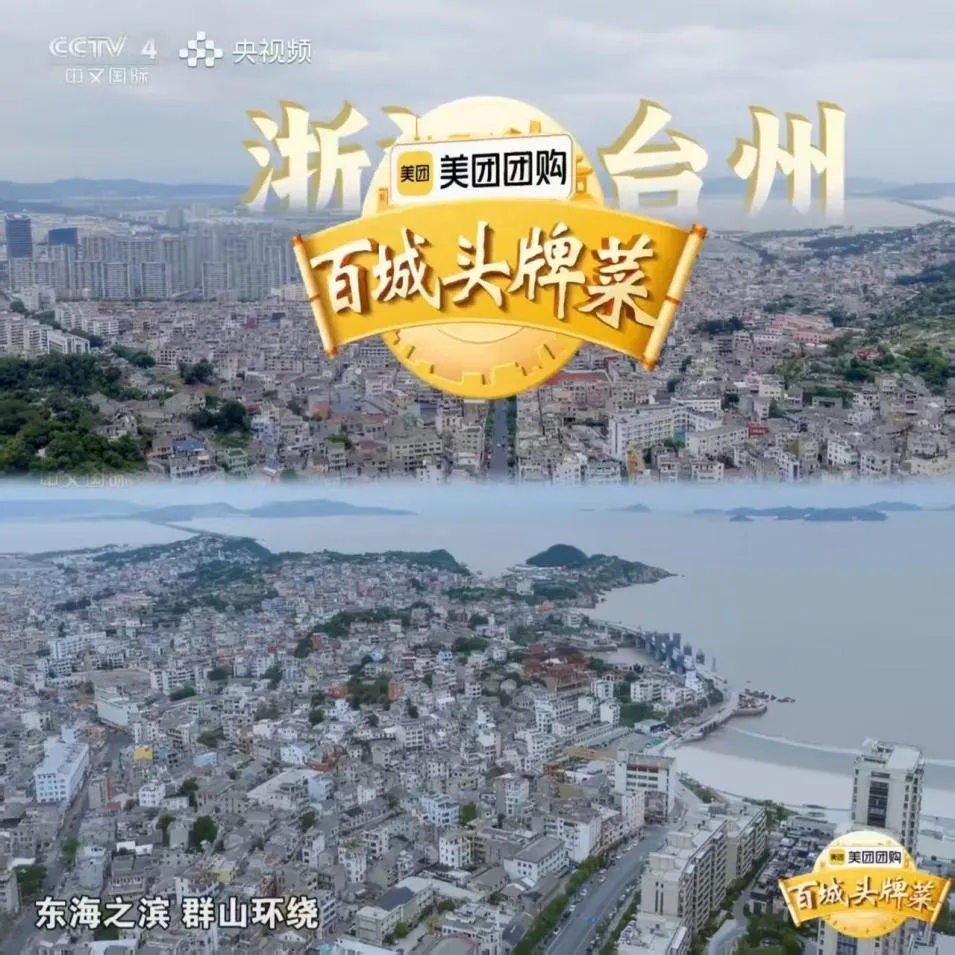
As the camera slowly zooms in, a brilliant interpretation of what constitutes Taizhou's "signature dish" unfolds through the exploration and pauses of three food hunters.
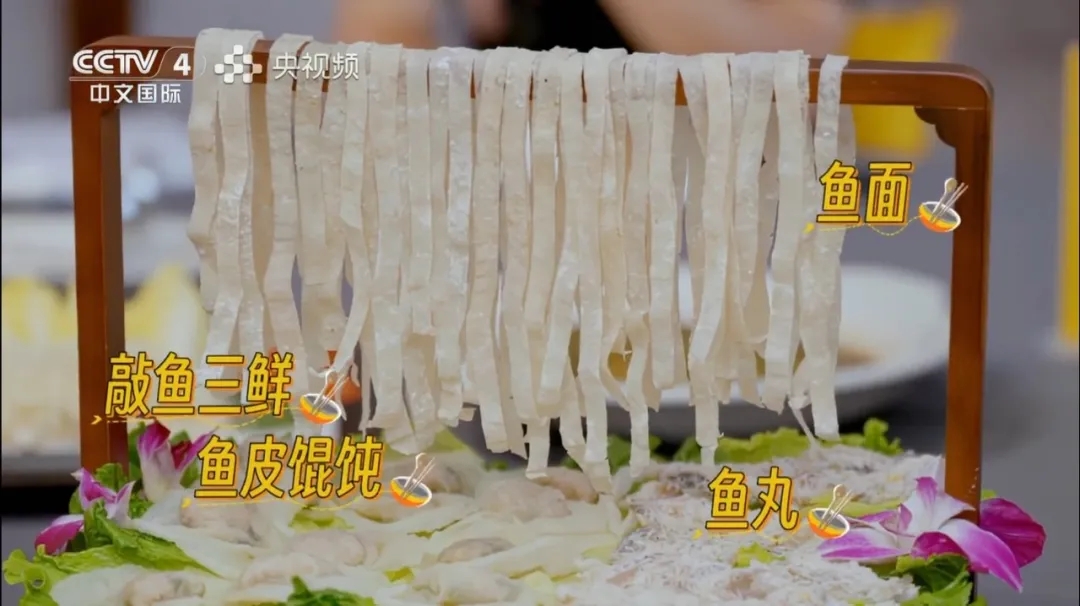
Wang Zhan savors the authentic freshness of "home-style braised wild large yellow croaker"—the very essence of "East Sea gold"—amidst the lively atmosphere of "Chuzhou Renjia" in Yuhuan. Dong Liping ventures deep into the "immortal dwelling" of Xianju, where amidst thousand-year-old waxberry forests and the ecological wisdom of "waxberry–tea–chicken–bee," she discovers the rustic purity of stone-milled tofu and the crispy aroma of "Divine Chicken" stewed for a thousand years. Xu Jiru, amidst the hustle and bustle of Kamen National First-Class Fishing Port in Yuhuan, personally experiences the labor and craftsmanship behind "Knocked Fish Three Delicacies" at "Zhe Ban Hai" and witnesses how the "Red Robe General" swimming crab, simply stir-fried with scallions and ginger, unleashes the ultimate sweetness of the ocean.
The secret of a city's flavor is gently revealed in the smoky heat where mountains and sea converge—an enduring, vibrant story that can no longer be hidden.


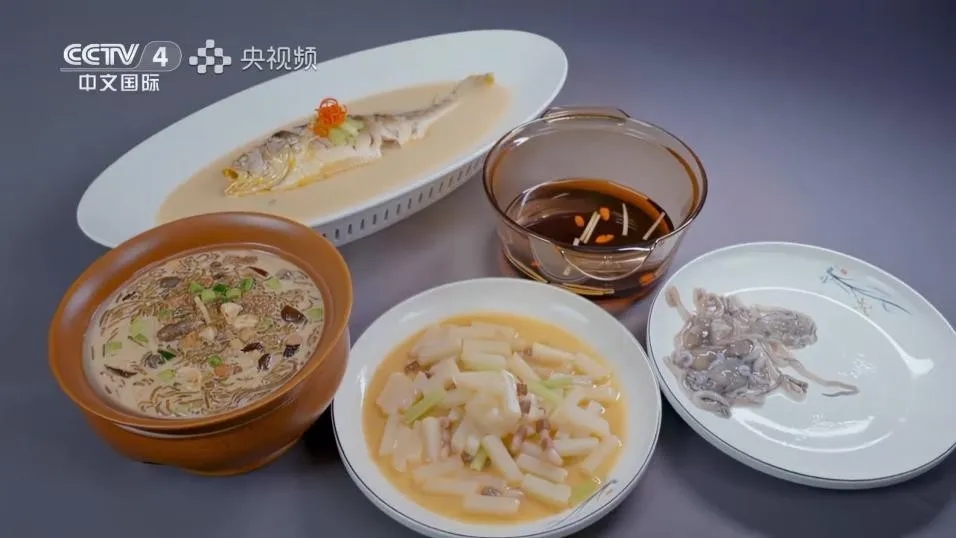
I. True Nature of Ingredients, Ultimate Simplicity
The first thing the camera captures as "unhideable" is that taste of "authenticity" bestowed by the tides and mountain breezes. This authentic freshness has form, substance, sound, and breath. It is the glint of sunlight bouncing off the scales of a "gold of the East Sea" large yellow croaker as it leaves the water. It is the subtle breathing rhythm of the octopus tentacles as it watches the tides on the mudflat. It is the warm morning call from a Xianju three-yellow chicken as it pecks at the first rays of dawn. It is the crisp, silk-tearing "pop" of a spring bamboo shoot from Mount Tiantai as its layers of sheaths are peeled away after rain. It is the gentle, lingering embrace of deep humus and the fresh, mellow fragrance of near-ripe waxberries deep in a Xianju orchard, fermenting deeply in the early summer air...
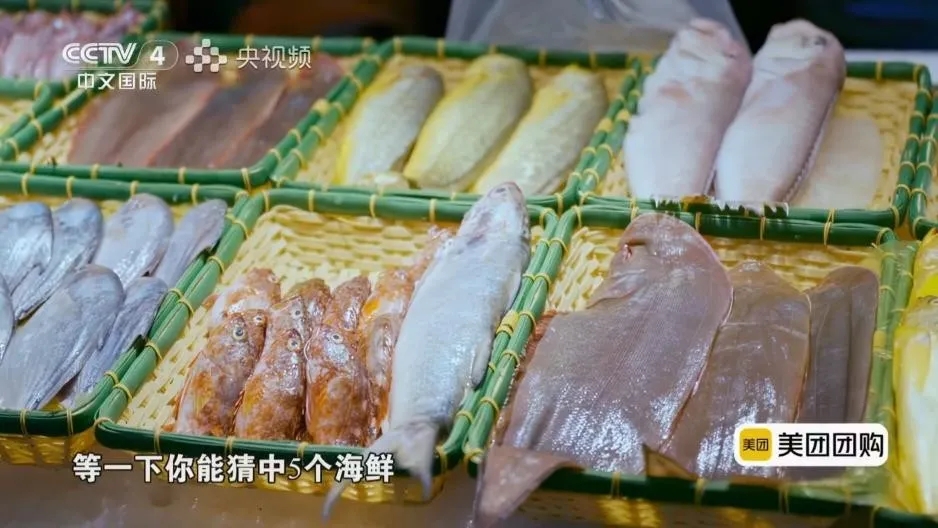
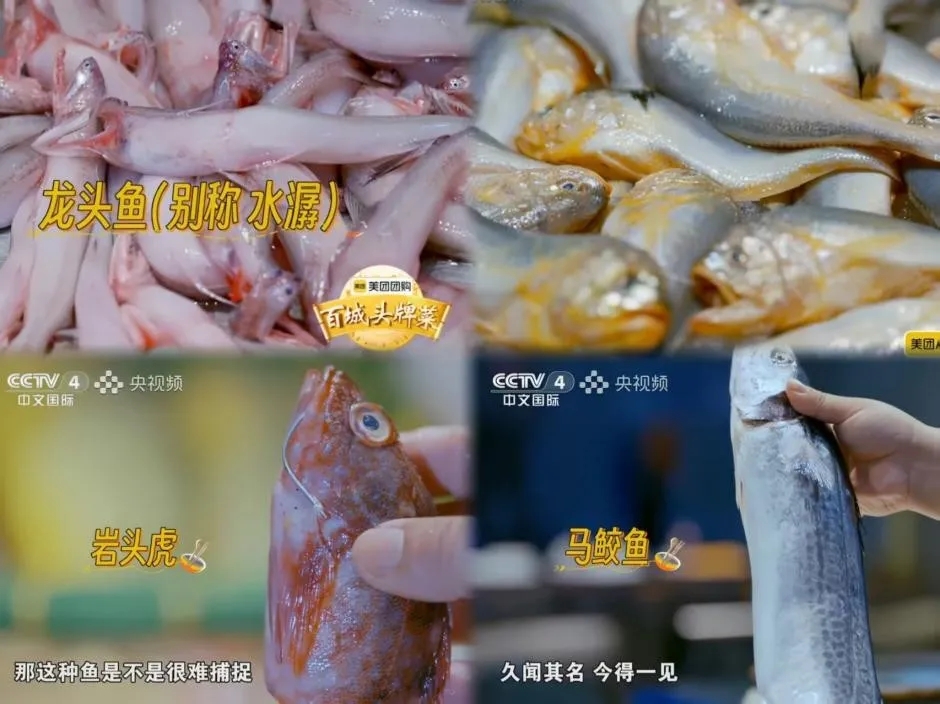
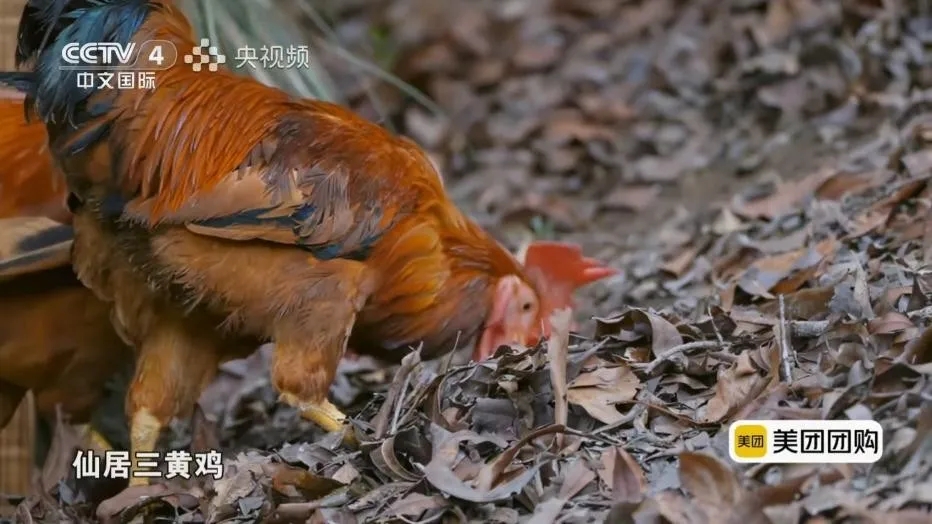
In the face of such heavenly gifts, any complicated embellishment feels excessive. Taizhou people understand this deeply, treating their ingredients with a reverent "simplicity." For seafood, they slide lard into a hot wok, explode ginger slices, then slip in the fresh catch—just boiling water and salt, leaving the rest to time and heat to complete the dialogue. For mountain delicacies, they follow the same honest approach: slow-simmer with spring water, enhance with coarse salt, roast gently over charcoal, quietly waiting for the ingredients to exchange their hidden, smoky secrets across the stove.
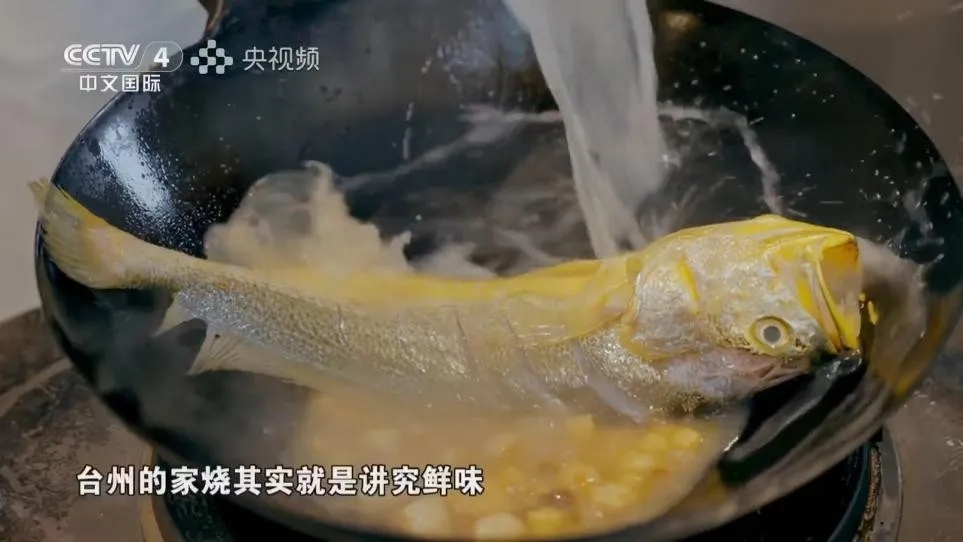
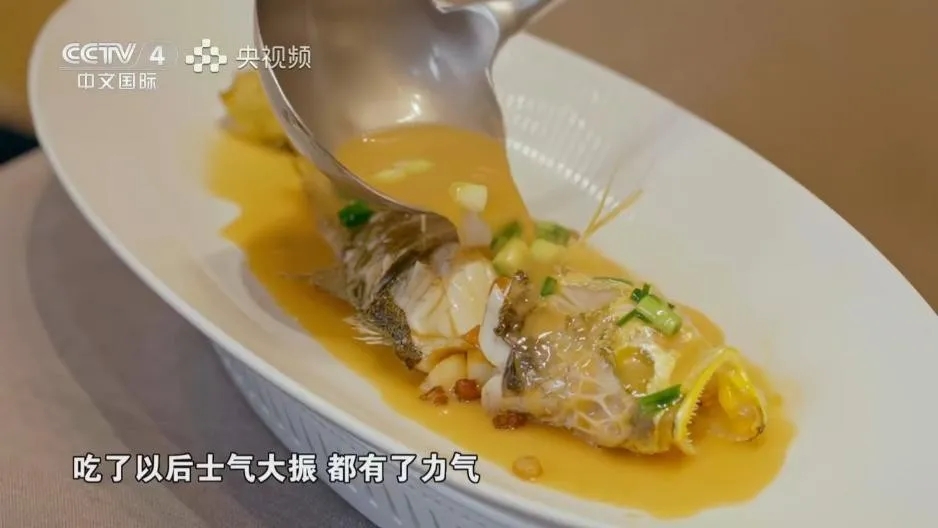
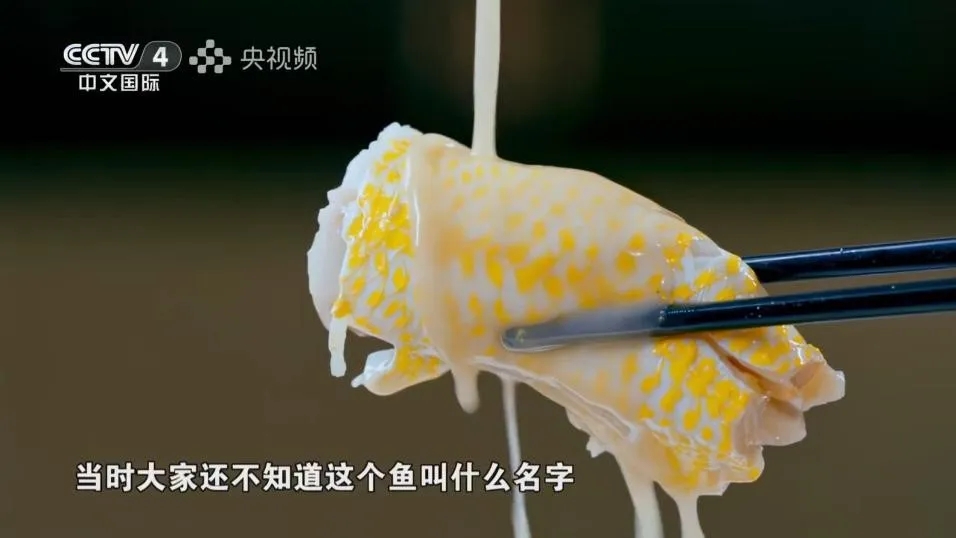
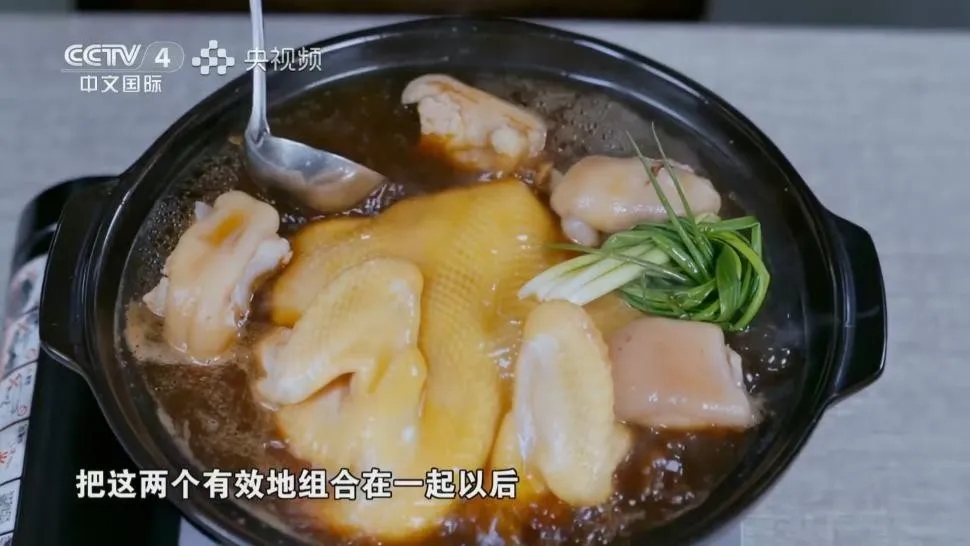
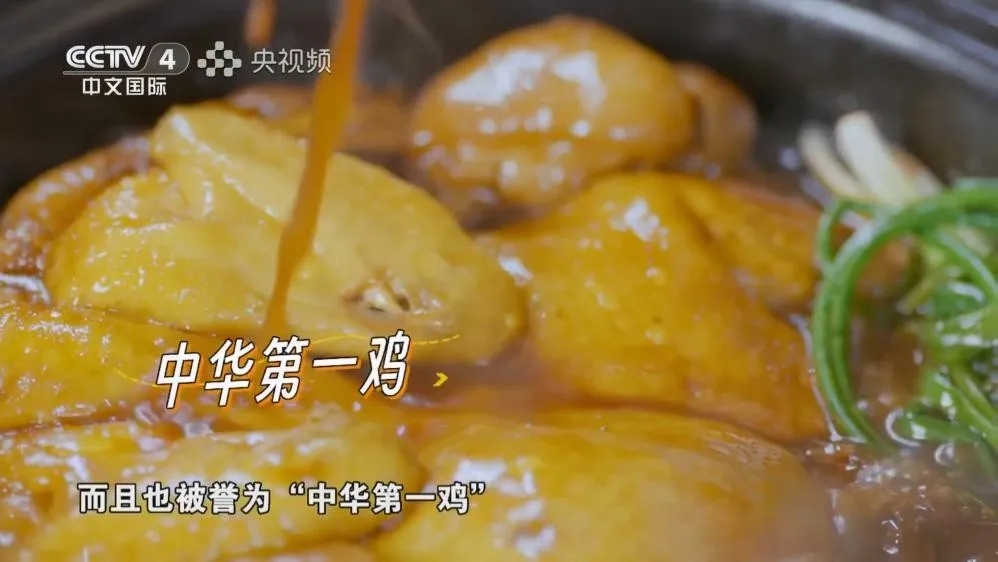
Thus, ultimate deliciousness blooms from a philosophy of ultimate simplicity. Home-style braised large yellow croaker flakes apart like garlic cloves, delivering the pure sweetness of sea salt and sun-drenched brine. Wine-stewed wangchao(small octopus), cradled in the rich embrace of yellow rice wine, releases a wondrous interplay of crisp-tenderness and sweetness. Stir-fried Tiantai spring bamboo shoots are crisp and watery, carrying the fresh, subtle sweetness of awakened earth. And that bowl of "Divine Chicken," stewed with Xianju three-yellow chicken and local pork hock, is rich in gelatin, the meat falling off the bone, its savory aroma entwined with the deep breath of the mountains. This freshness is the very exhalation of the ingredient's soul—how could it be hidden?
II. Mountain-Sea Fusion, Boundless Ultimate Flavors
Having tasted the authentic essence of mountain and sea separately, the even more "unhideable" aspect of Taizhou's flavors is the wisdom of seamless "fusion"—breaking boundaries with natural grace. In Taizhou's kitchens, mountain and sea never stand on ceremony; they engage in quiet reconciliation and heartfelt dance within the wok.
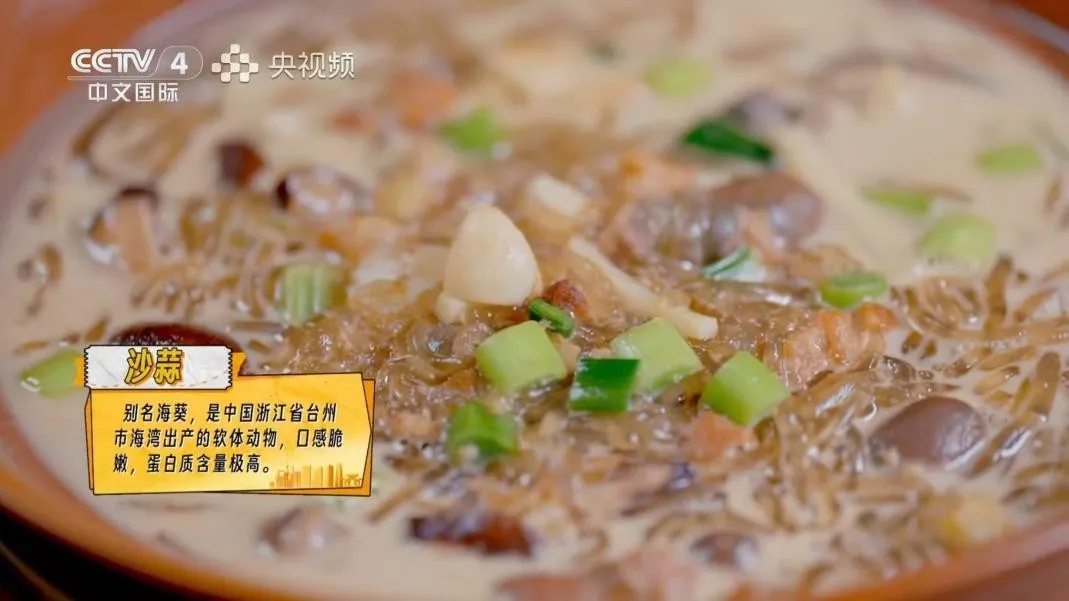
A single dish, "Bean Noodles with Sea Anemone," is a resounding declaration of alliance: the unassuming sea anemone from the mudflat offers its intensely savory essence, richer than any broth, while the sweet potato noodles from the mountains, with their resilient texture, greedily absorb this oceanic essence. This cross-boundary integration creates a new, deeper, more harmonious realm of flavor—its deliciousness simply cannot be hidden.
This wisdom of fusion has long permeated Taizhou's daily meals. A thin, pliable pancake wrapper can embrace over a dozen fillings—stir-fried rice noodles, mung bean sprouts, shredded egg crepe, braised pork, eel shreds, shrimp—embodying the city's open-hearted spirit, brewing a lively, abundant feast. The fiery, robust, and warming "Ginger Noodle Soup" features land-based ingredients sautéed in lard, then drenched with hours-simmered, pungent ginger juice, colliding fiercely with the sweetness of small white shrimp, clams, razor clams, and other seafood, all crowned with smooth rice or wheat noodles—transforming the original intent of dispelling damp chill into a force that warms the entire body. Its philosophy of inclusive embrace cannot be hidden.
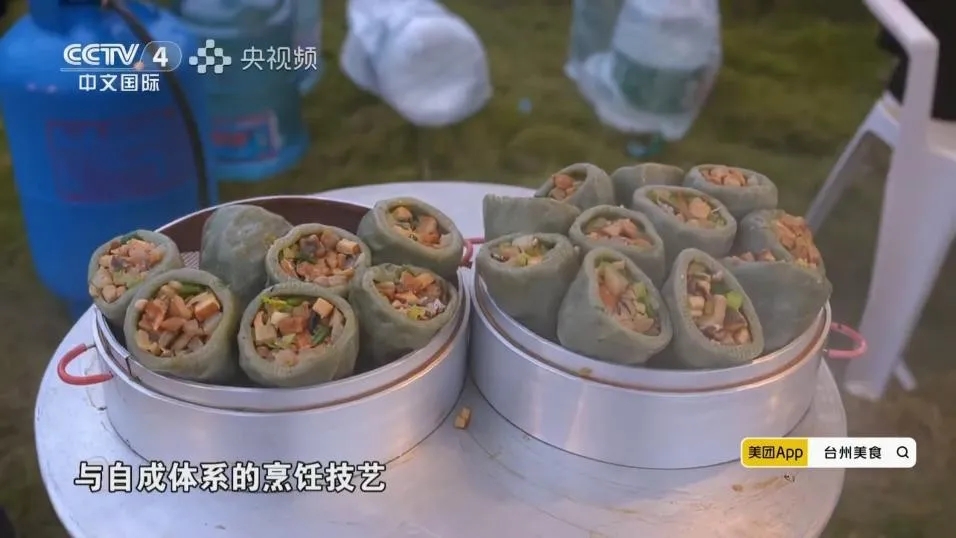
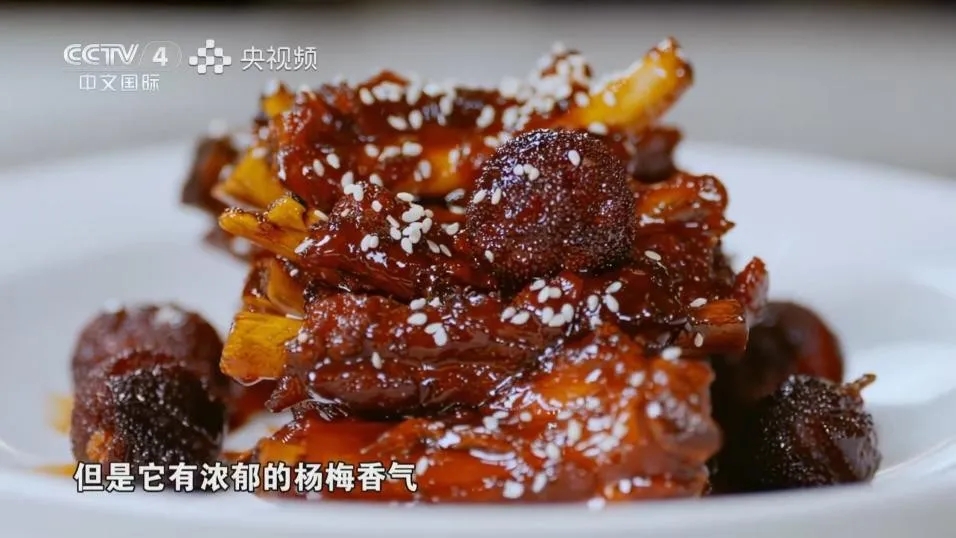
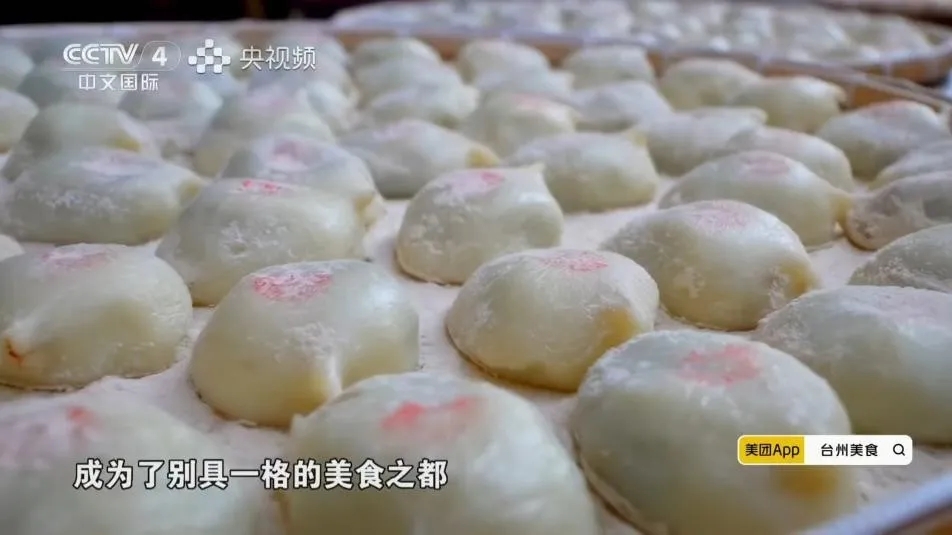
Then there are the clever creations where mountain fragrance directly knocks on the door of meat dishes. Xianju's "Waxberry Spareribs" skillfully incorporate fruit into a savory dish, infusing the lively sweet-sourness of waxberries into the fine grain of pork ribs, cutting richness and adding aroma, orchestrating a vivid dialogue between mountain spirit and earthly hustle and bustle. And Wenling's "Sweet Potato Balls," with their skins made of sweet potato starch, wrap mushrooms, bamboo shoot dice, dried shrimp, tofu dice, and other treasures from mountain and sea. Steamed to a warm amber translucence, one bite brings the gentle embrace of mountain freshness and sea breeze saltiness on the tongue. This romantic encounter of mountain and sea lovers is even more impossible to hide.
III. Time's Cellar, The Composure of Ultimate Flavors
If "authenticity" and "fusion" define the breadth and depth of Taizhou's flavors, then the precipitation of time gives them an irreplaceable thickness and "composure." This composure allows ultimate flavors to age like fine wine—their fragrance deepening, their character shining brighter with time, equally unable to be hidden.
Perhaps the best embodiment of this depth of time is the "dried fish" that concentrates the essence of ocean and sunlight. Wang Kegong, a reclusive scholar of the Qing Dynasty from Taizhou, while ill and seeking to recapture the "sweet, smooth, fragrant, and crisp" taste memory of his youth, left behind a remarkable book, The Classic of Dried Fish, written in seclusion. The book details that a top-quality dried yellow croaker must be split open from the back with precise knife work, salted with evenly ground sea salt in exact measure, repeatedly washed in fresh mountain springs, patiently air-dried over several days in pure sea breezes and clear sunlight, all while guarding against theft by birds, cats, and dogs. This seemingly simple dried product actually condenses all the wisdom and patience of fishermen in their game with time and nature. How can this concentrated, savory sweetness of time be hidden?

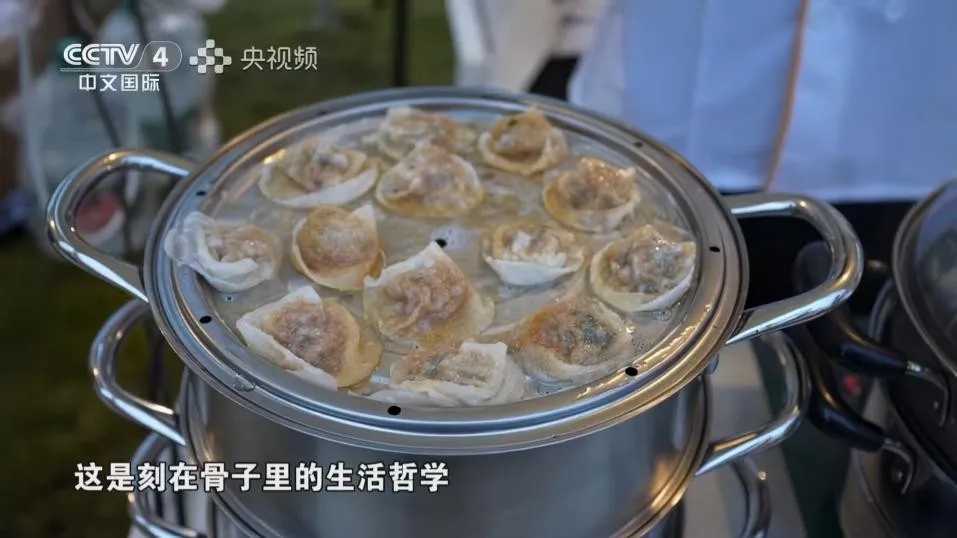
Time's cellar also settles within the elegant vegetarian cuisine of Buddhist temples. Originating in the Southern Dynasty, with a history of 1,500 years, the vegetarian tradition on Mount Tiantai has evolved into renowned delicacies like "Arhat Vegetarian Ham." Carefully selected bean curd skins are cooked in vegetable oil and spices, then hand-rolled tightly and steamed, yielding a savory, mellow, and chewy texture. Though entirely vegetarian, it embodies the ingenuity of "vegetarian ingredients prepared with meat techniques," showcasing the inclusive spirit of Harmony culture. Here, history transforms into a palpable, tasteable, lingering warmth and collective memory. How can this refined, thousand-year-old elegance be hidden?
IV. Signature Craftsmanship, The Backbone of Ultimate Flavors
When the camera shifts from nature's bounty and folk wisdom to the bustling back kitchens of celebrated restaurants, that ever-"unhideable" soul of ultimate flavor crystallizes into tangible "craftsmanship," revealing its formidable "backbone." Looking across Taizhou, a constellation of craftsmanship lights up the scene:
Xin Rong Ji's "Home-Style Braised East Sea Wild Yellow Croaker with Handmade Taizhou Rice Cake" brings the ocean's surge and the earth's tenderness together in one pot, interpreting how home-style techniques, in their ultimate simplicity, guard the soul of ultimate flavor.
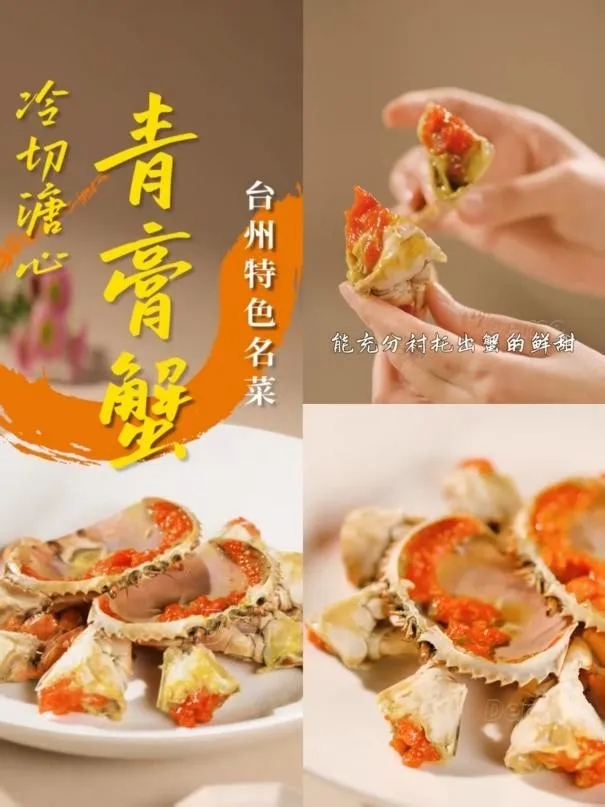
Shunji Pujiang Hui's "Chilled Soft-Bodied Blue Crab with Runny Roe" demonstrates millisecond-level control over time and heat, locking the very breath and creamy essence of an entire sea.
Lin Jia Yi's "Yellow Croaker Simmered in Earthen Stove Rice" allows the smoky fire of the earthen stove, the intense freshness of the croaker, and the simple sweetness of rice to embrace most deeply across mountain and sea in a slow simmer.
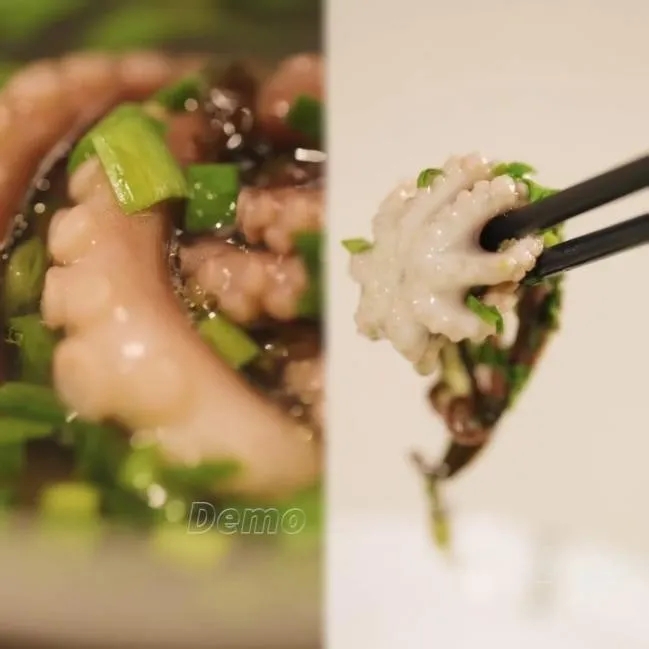
Long Yan New Taiwanese Cuisine's "Yellow Rock Native Chicken Soup with Chive-Fragrant Wangchao" uses the pure, unadulterated flavor of three-year-old native chicken as its broth base, orchestrating an agile dialogue between mountain spring water and ocean waves.
Luqiao Guanlan Fang's "Nutritious Earthen-Stove Braised Sea Anemone with Aged Huadiao Wine" uses aged Huadiao as a guide, transforming the mudflat's freshness into a warm footnote of food-as-medicine philosophy.
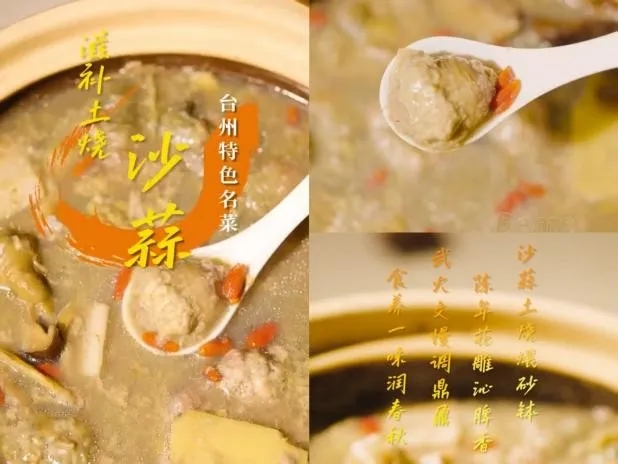
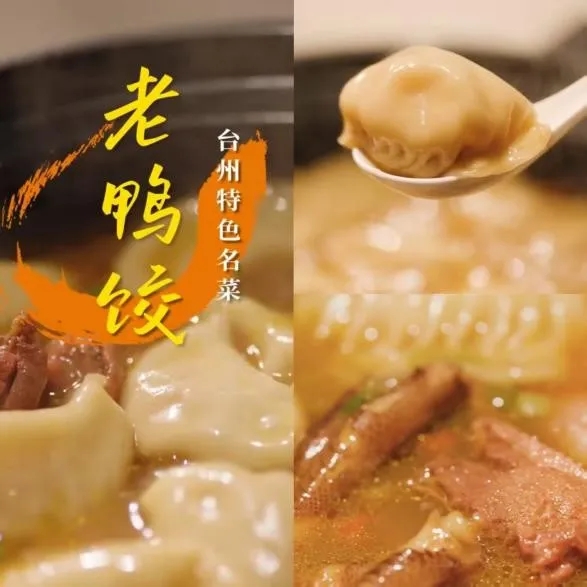
Lao Bian Restaurant's "Aged Duck Stew," Du Pin Wei Zhuang's "Xianju Native Chicken Stew," and Tiantai Hai Xin Fang's "Solom's Seal Rhizome with Small Local Beef" all stew the essence of local landscape and the ancient wisdom of "food and medicine sharing a common origin" into rustic chapters of tongue-tingling legend... Each dish is an artisan's translation of the land's secrets into the language of taste, their dedication and heritage simply impossible to hide.
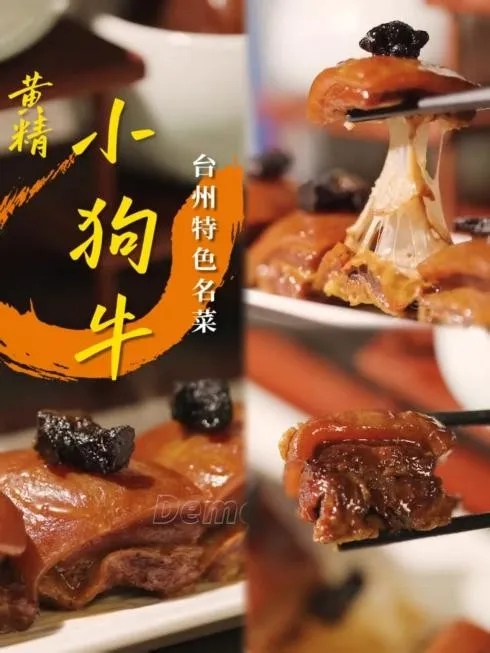
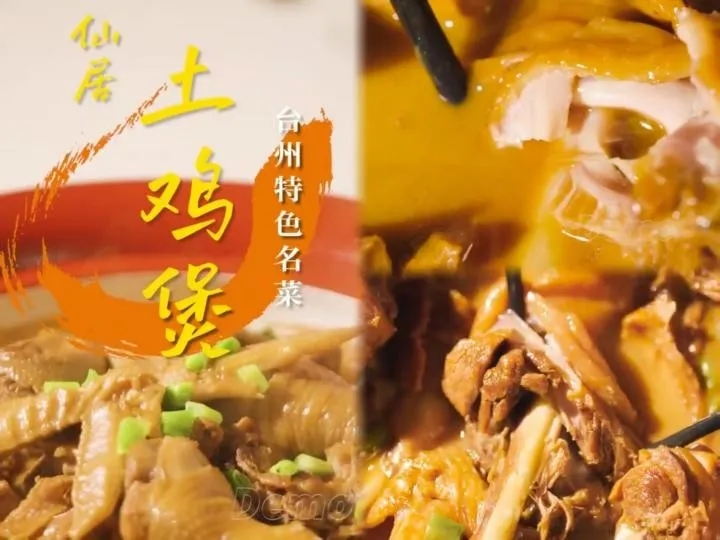
At this point, the true meaning of "signature dish" has become clear. In Taizhou, it is never an isolated recipe, but an ecosystem co-constructed by mountain and sea's creations, the seasons' rhythms, thousand-year-old customs, and countless artisans. Every carefully presented dish is an entryway into Taizhou people's diligent and frugal way of life, their pioneering spirit that rides the tides, and the "harmony" gene deeply embedded in their bones. This backbone is not about competing for momentary supremacy, but about establishing a regional character.
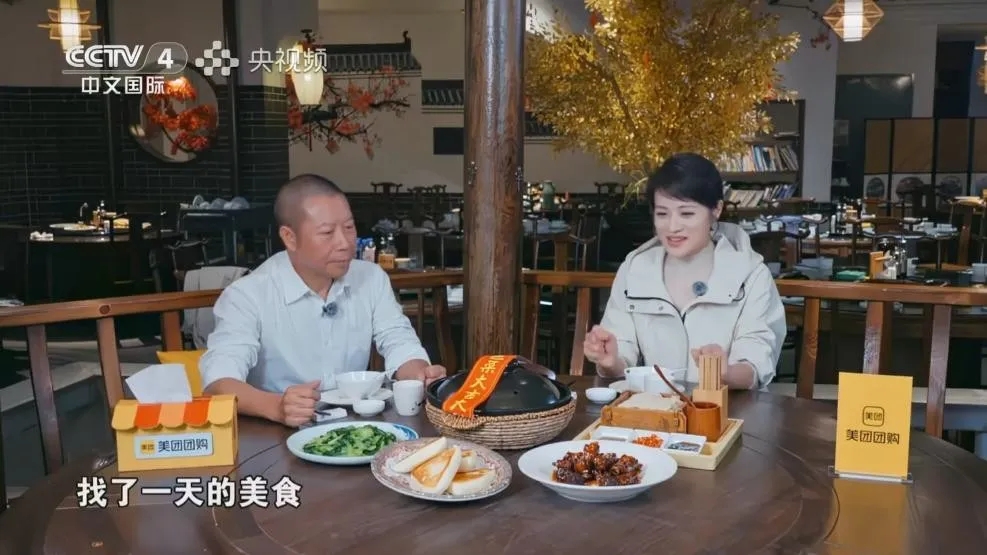

The 30-minute episode of Top Dish of a Hundred Cities has ended, yet the lingering aftertaste of the mountain-and-sea delicacy clings to the throat and heart, refusing to fade. What the program sought was less a few exceptional "signature dishes" than a gentle turning of a door handle, allowing us to truly see why Taizhou's ultimate flavors cannot be hidden.
There they are, deeply rooted in the land where mountains and sea intertwine, in the ceaselessly boiling streets and markets, in the long river of time flowing for millennia—unfolding themselves with composure, magnificent and open, vibrant and abundant, endlessly affectionate.

Translator:Jiayang Lin