
Taizhou: A City Worth Visiting
Hey! Have you ever heard of Taizhou?
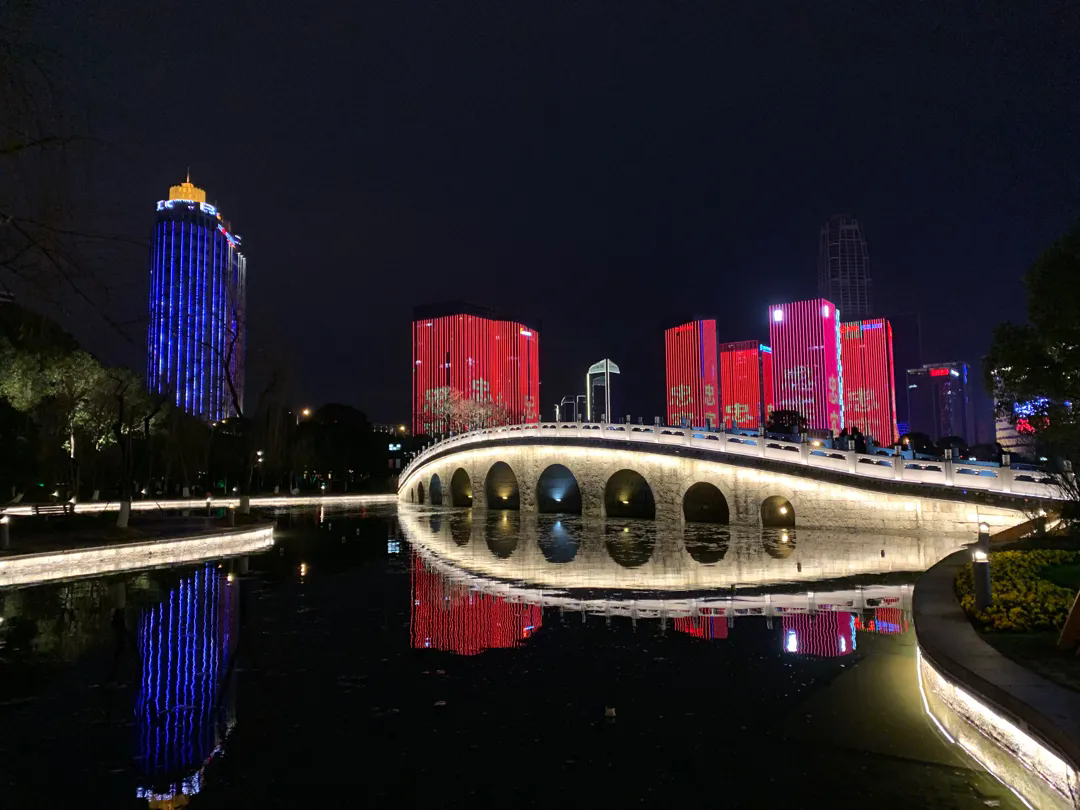
Introduction
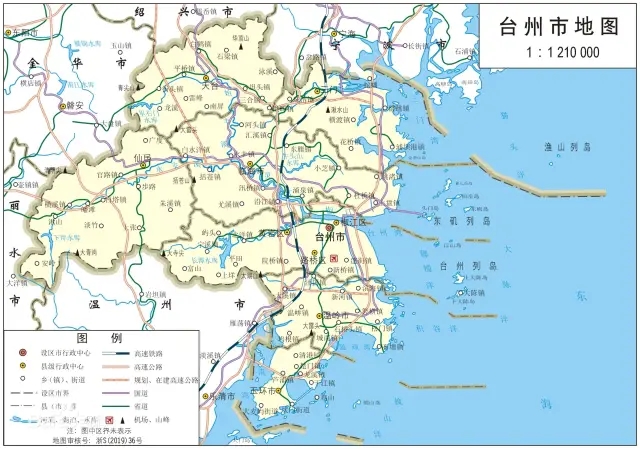
Taizhou (pronounced "tāi zhōu") is a prefecture-level city in Zhejiang Province and one of the 27 cities in the central area of the Yangtze River Delta. Historically, Taizhou was "crisscrossed by rivers and creeks," with a water-town charm rivaling that of Suzhou and Hangzhou, giving rise to the saying, "Roam Suzhou and Hangzhou, yet Wenling and Huangyan still outshine." Taizhou has long been renowned worldwide as a sacred site of Buddhist and Taoist heritage, serving as the birthplace of the Tiantai School of Buddhism and the Southern School of Taoism. Tiantai Mountain, with its profound cultural depth, has nurtured the expansive philosophy of "Harmony Culture." As a microcosm of Zhejiang’s geography—"seven parts mountains, one part water, and two parts farmland"—Taizhou stands as an ecological haven where mountains, sea, and water coexist in harmony.
Scenic Spots in Taizhou
Tiantai Mountain
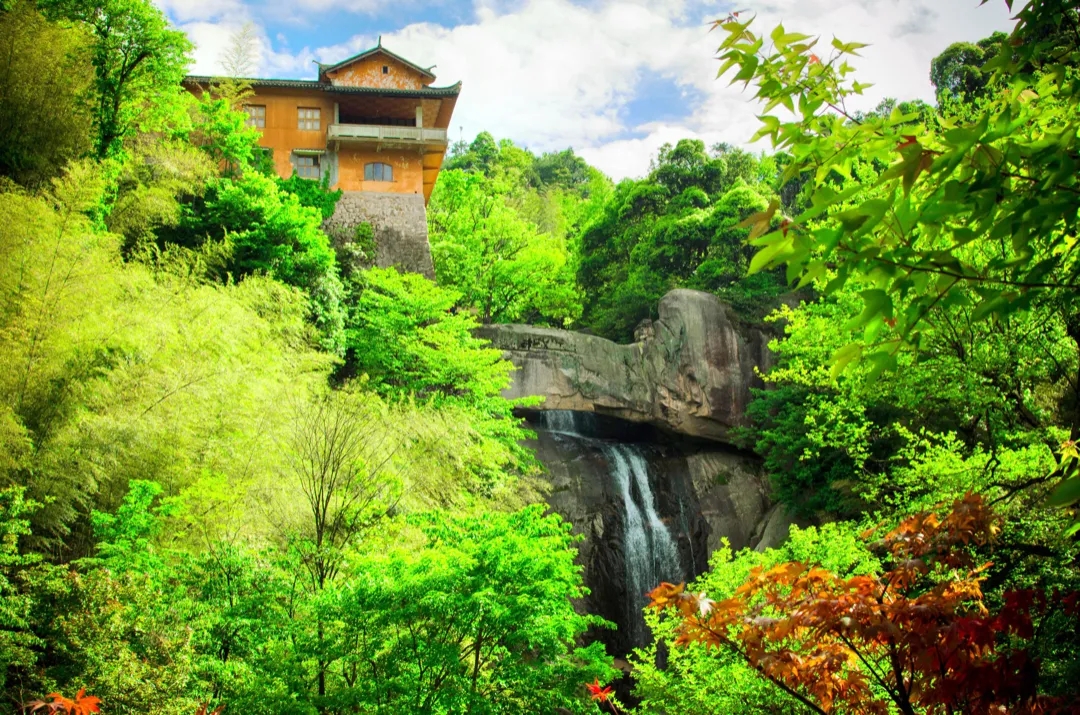
The Tiantai Mountain Scenic Area, a national 5A tourist attraction, a key national scenic spot, one of China's ten most famous mountains, a national eco-tourism demonstration zone, and one of Zhejiang's top ten tourist destinations. Located in Tiantai County in the eastern-central part of Zhejiang, the mountain’s name derives from its unique topography: "The mountain has eight layers, appearing the same from all sides, its peak aligned with the Three Constellations, positioned above the Cowherd and Weaving Maid stars, corresponding to the Taixu constellation, hence the name Tiantai." Renowned for its "Buddhist and Taoist heritage, and breathtaking natural beauty," it is the birthplace of the Tiantai School of Buddhism and the Southern School of Taoism, as well as the hometown of the legendary Living Buddha Jigong.
Taizhou Wall
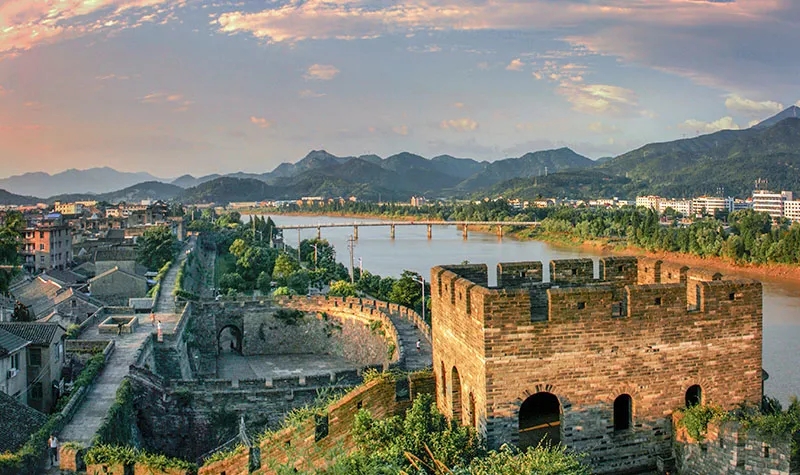
The Taizhou Wall, also known as the "Great Wall of Jiangnan" or the "Badaling of Jiangnan," stretches over 6,000 meters, with more than 5,000 meters still intact. Starting from Lansheng Gate in the east, it winds along the ridge of Beigu Mountain to Yanxia Pavilion, descends steep cliffs to the east bank of the Lingjiang River, and extends to the western foot of Jin Mountain. The wall follows the natural terrain, overlooking the river, with its northern section being the most steep and imposing. First built during the Eastern Jin Dynasty, the wall has undergone multiple demolitions, reconstructions, and repairs throughout history. During the Yuan Dynasty, it was spared from demolition due to its crucial role in flood control. In 1712 (the 51st year of the Kangxi reign), an barbican was added, making it a city wall with dual functions of military defense and flood control.
Shenxianju (The Immortals’Abode)
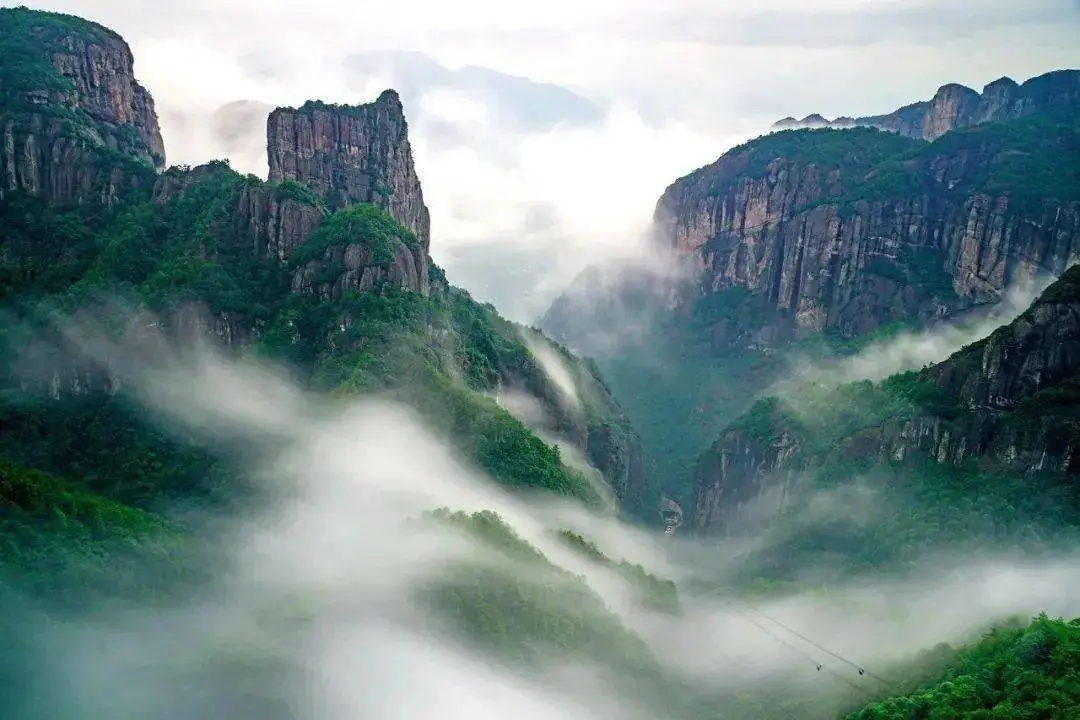
The Shenxianju Scenic Area is the core area of Xianju National Park, a national-level scenic spot, and a national 5A tourist attraction. Its ancient name is Tianmu Mountain, also known as Weiqiang Mountain. The fantastic landscapes described in Li Bai's poem "Dreaming of Tianmu Mountain" are inspired by the enchanting beauty of Shenxianju. On the mountain, an inscription by He Shu’e, a county magistrate during the Qianlong reign of the Qing Dynasty, reads "The No. 1 City of Misty Clouds," praising the ethereal beauty of the place as the finest under heaven. The area is renowned for its exceptionally high concentration of negative oxygen ions, averaging 21,000 per cubic centimeter and peaking at 88,000 per cubic centimeter, making it a true natural oxygen bar.
Changyu Dongtian
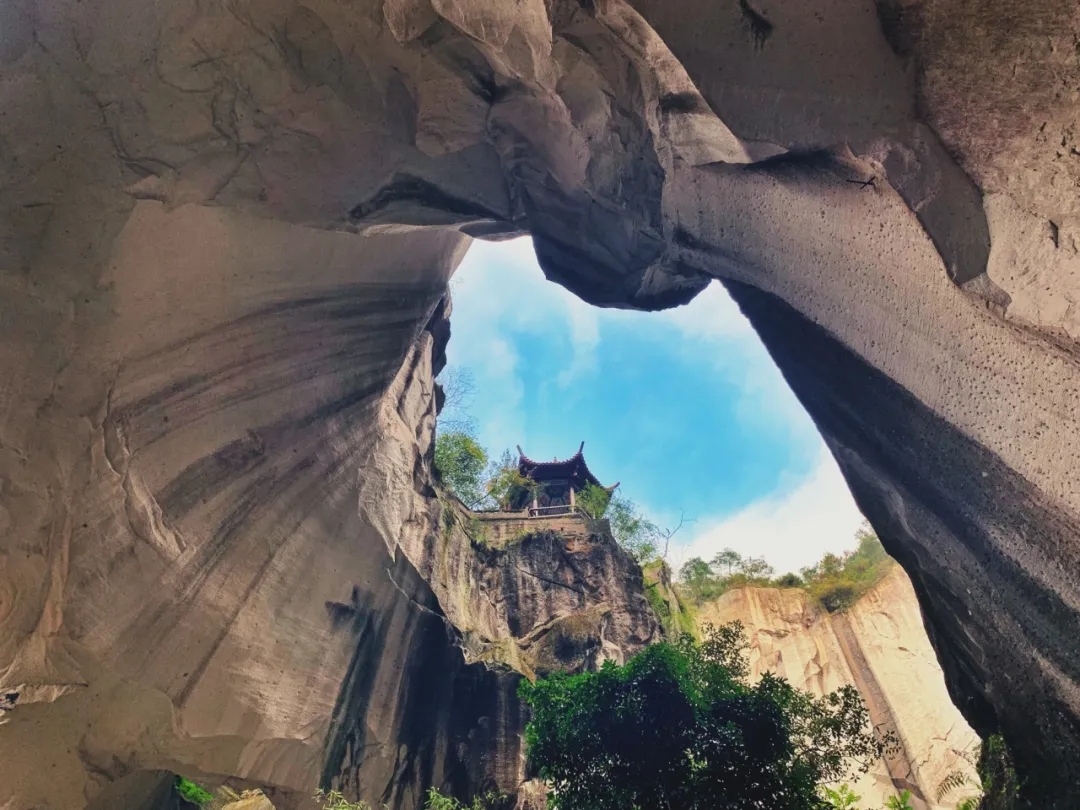
Changyu Dongtian is a magnificent gem in the history of China's stone culture. Originating in the Southern and Northern Dynasties, it was shaped over a millennium by artisans continuously quarrying stone, creating a unique cave landscape. Though man-made, it appears naturally formed. The site boasts 28 cave complexes and 1,314 stone caverns, where caves interconnect and overlap, forming a diverse and sprawling stone corridor. This historical marvel, co-created by humans and nature, embodies the vast and all-encompassing beauty of Changyu Dongtian.
Shepan Island
Located on the coast of Sanmen Bay in eastern Zhejiang, Shepan Island is the largest island in Taizhou. Despite its name, which includes the character for "snake," the island has no particular connection to snakes. Instead, it features numerous winding and twisting stone caverns. "For millennia, the sound of waves has echoed; for eons, the marks of chisels remain." Shepan Island is the largest sea-island quarry site in China, dotted with mysterious and awe-inspiring caves. The stone is naturally formed, while the caves are man-made, showcasing a perfect blend of natural and human craftsmanship, resulting in the beauty of a thousand caves.
Taizhou Cuisine
Taizhou is home to many specialty snacks,
with glutinous rice dishes being particularly outstanding,
earning it the praise of being a
"Paradise of Chewy Delights."
Qian Gao (Stuffed Rice Cake)
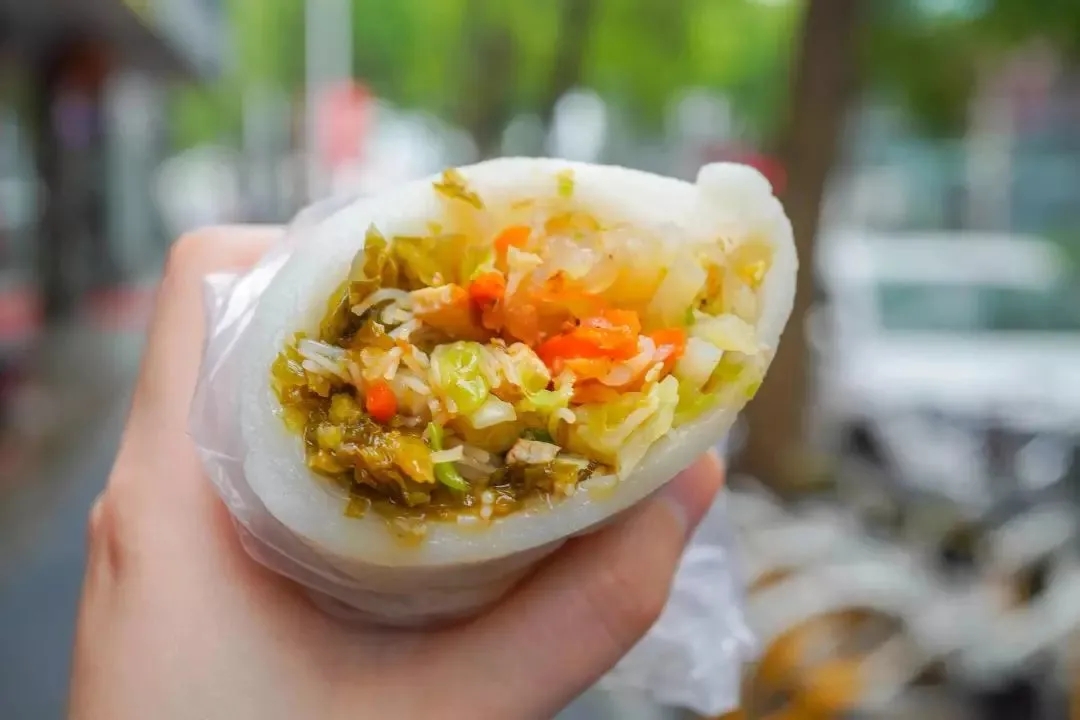
Qian Gao, also known as "jia gao," "xian gao," or "guan gao," is made from non-glutinous rice. The rice flour is steamed and then pounded in a stone mortar to form a rice cake. It is firmer than regular rice cakes, making it easier to bite through, with a chewy texture that doesn’t stick to the teeth.
Jidan Maci (Stir Fried Glutinous Rice Cake with Egg)
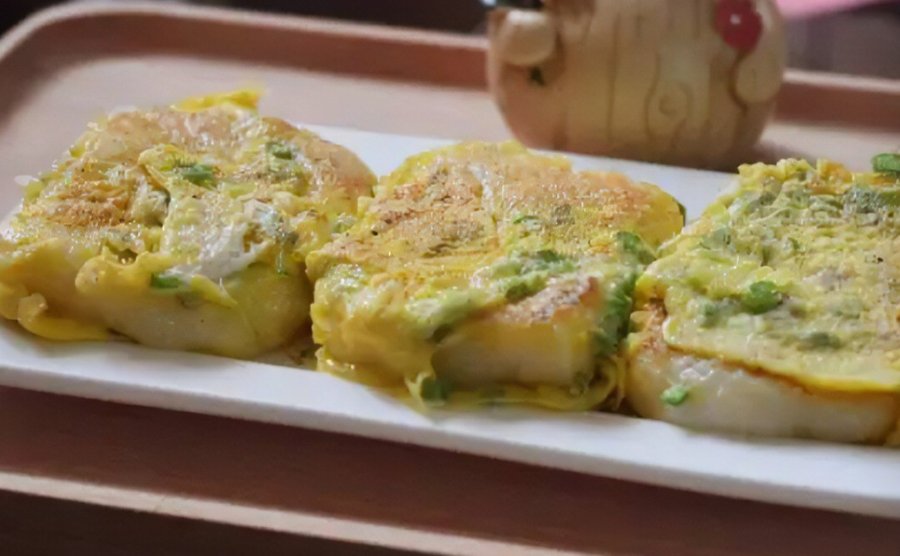
Jidan Maci is made by fried glutinous rice blocks. First, the maci is fried until soft, then eggs are poured over it to create a coating. This dish is also a traditional Spring Festival food in Taizhou. It is characterized by its soft, smooth texture, delicate consistency, and pleasantly chewy, fragrant flavor.
Fanshu Qinggao (Sweet Potato Cake)

Fanshu Qinggao is a classic example of a refined dish made from coarse grains. During preparation, sugar-sweetened osmanthus and sesame seeds are sprinkled on top. The finished product has a soft, chewy texture, a subtle sweetness, and an aroma of sweet potato and osmanthus.
Of course,
Taizhou also offers
many other beloved
traditional delicacies:
Seaweed Pancakes
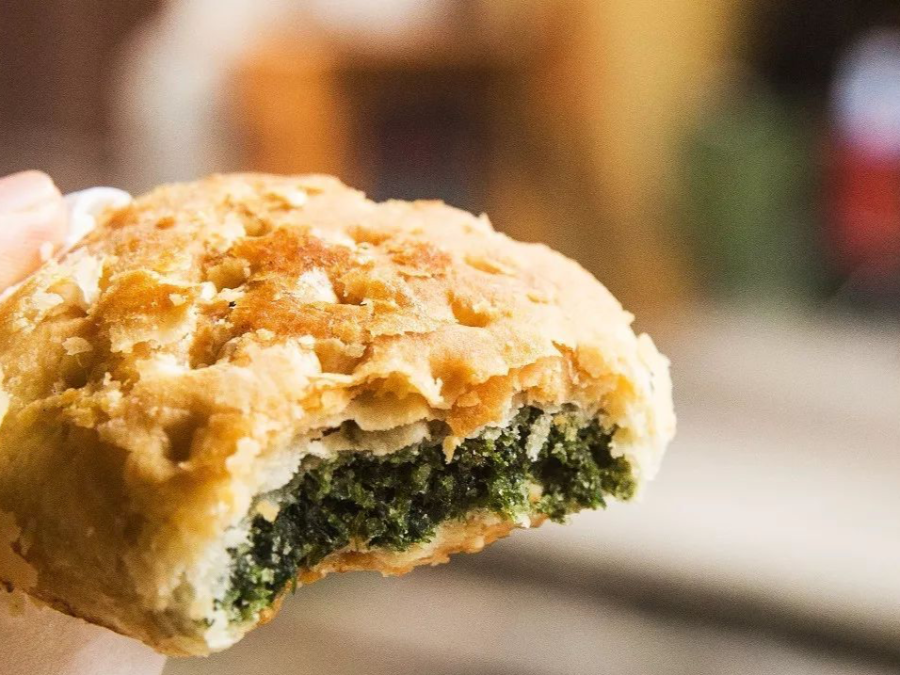
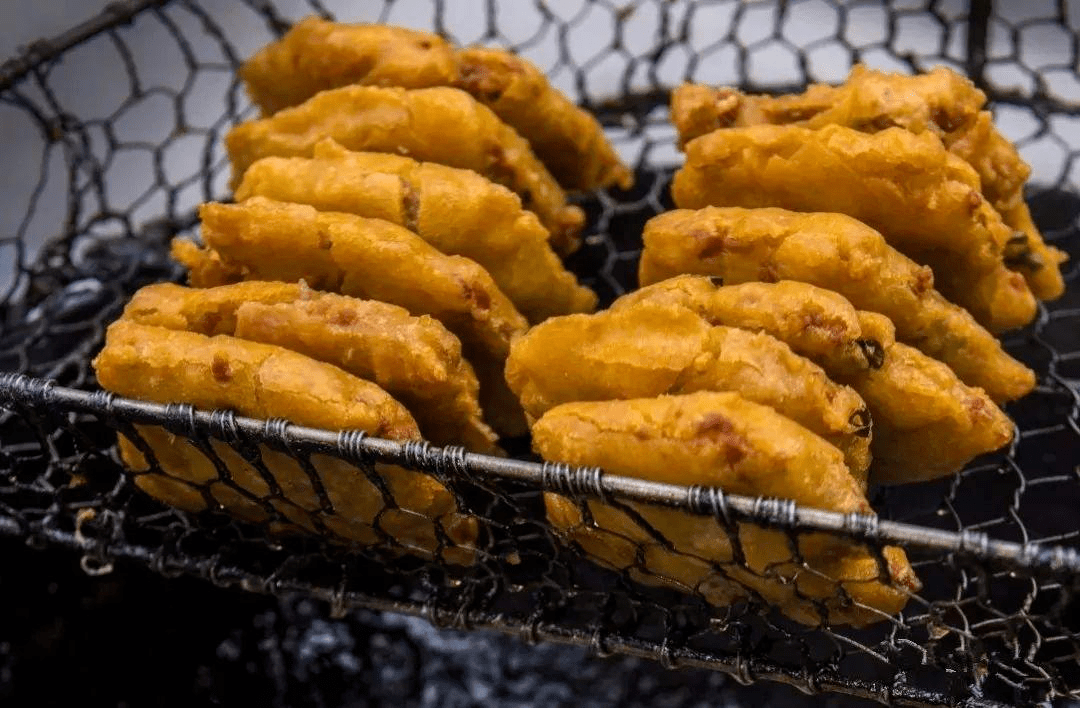
Pao Xia (Fried stuffed dough)
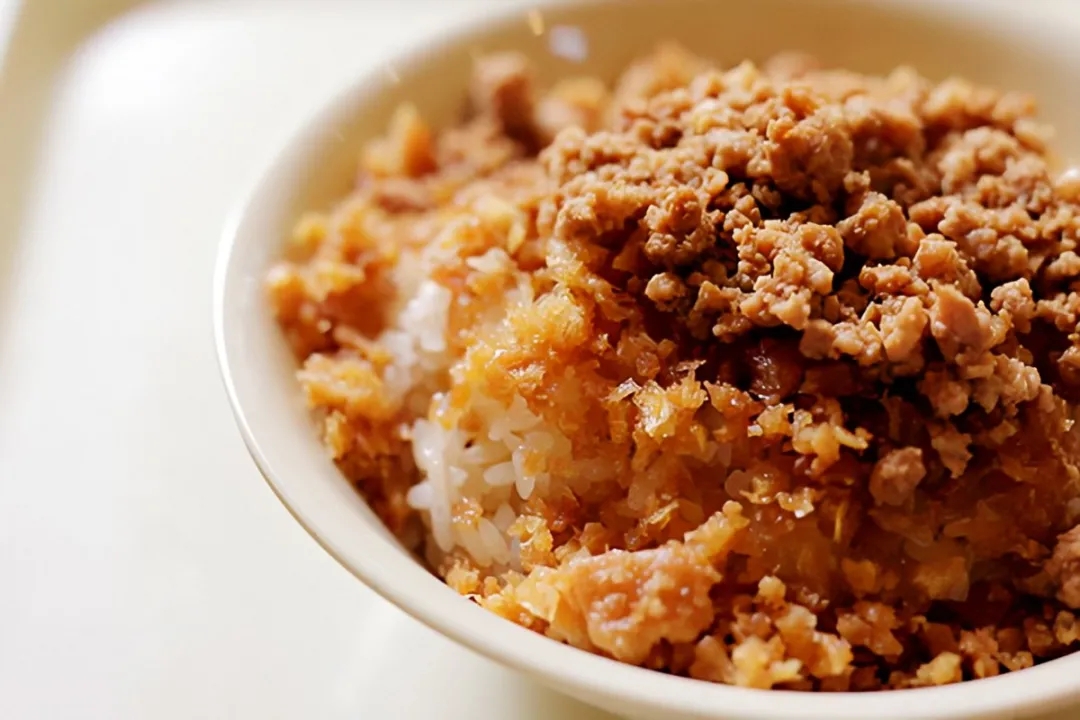
Steamed Rice with Minced Pork
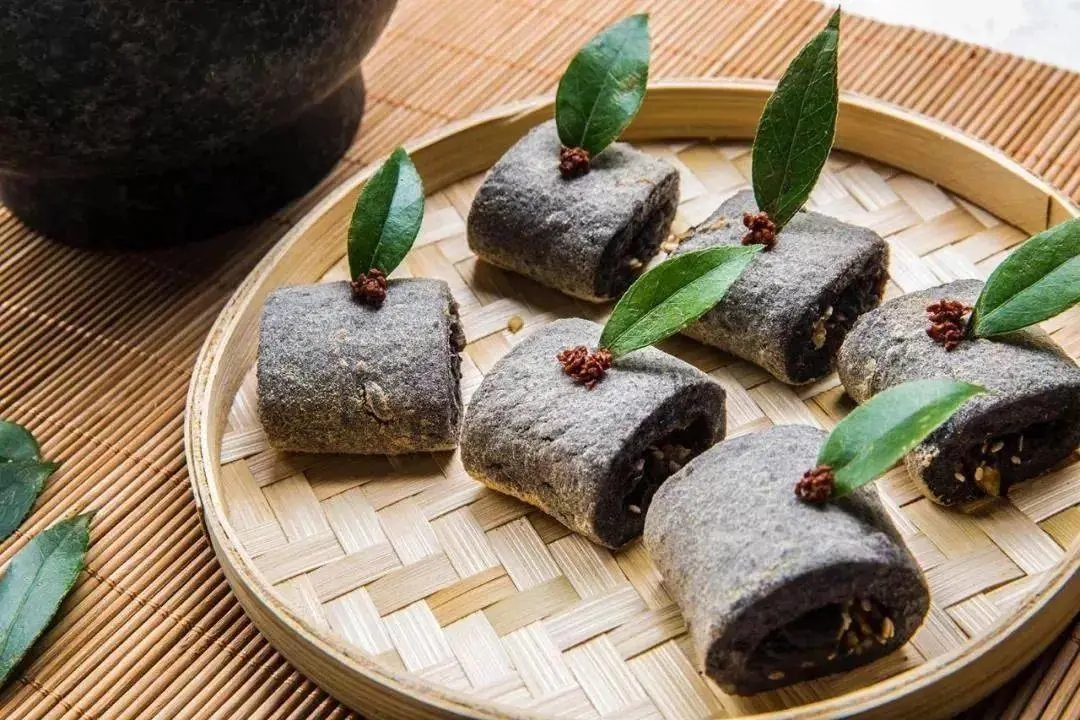
Black Rice Maci
Perhaps many people have never heard of Taizhou before,
or perhaps it’s often seen as just an obscure small city.
Yet the people of this land have always been quietly striving,
creating a unique urban character.
Taizhou is both a city of mountains and sea, and a culinary destination.
Welcome and explore it for yourself!
Translator:Jiayang Lin