
Made in Taizhou: Empowering Michelin-Quality Upgrades | Decoding "Taizhou Cuisine"
When the chefs in Michelin-starred kitchens no longer hold century-old European brands but premium custom-made kitchenware from Taizhou, a quiet industrial transformation is taking place.
Recently, a reporter visited leading manufacturing enterprises in Taizhou, including Supor, Aishida Electric, Xingxing Cold Chain, and Baixiaosheng Kitchen Equipment, to witness how "Taizhou Smart Manufacturing" is becoming an invisible driving force behind the quality upgrade of top-tier global cuisine, powered by precision craftsmanship and innovative design.
Ingredient Purification Technology Restores "Original Flavor"
"Do you still remember the taste of ingredients from your childhood? Do you feel that the vegetables and meat you buy today lack some of that flavor?" said Xu Bin, Marketing Director of Zhejiang Boli Stove Technology Co., Ltd. He explained that the main reason lies in changes in farming and cultivation techniques. While many ingredients today meet national safety standards, they may still contain traces of bacteria, pesticides, antibiotics, and other residues.
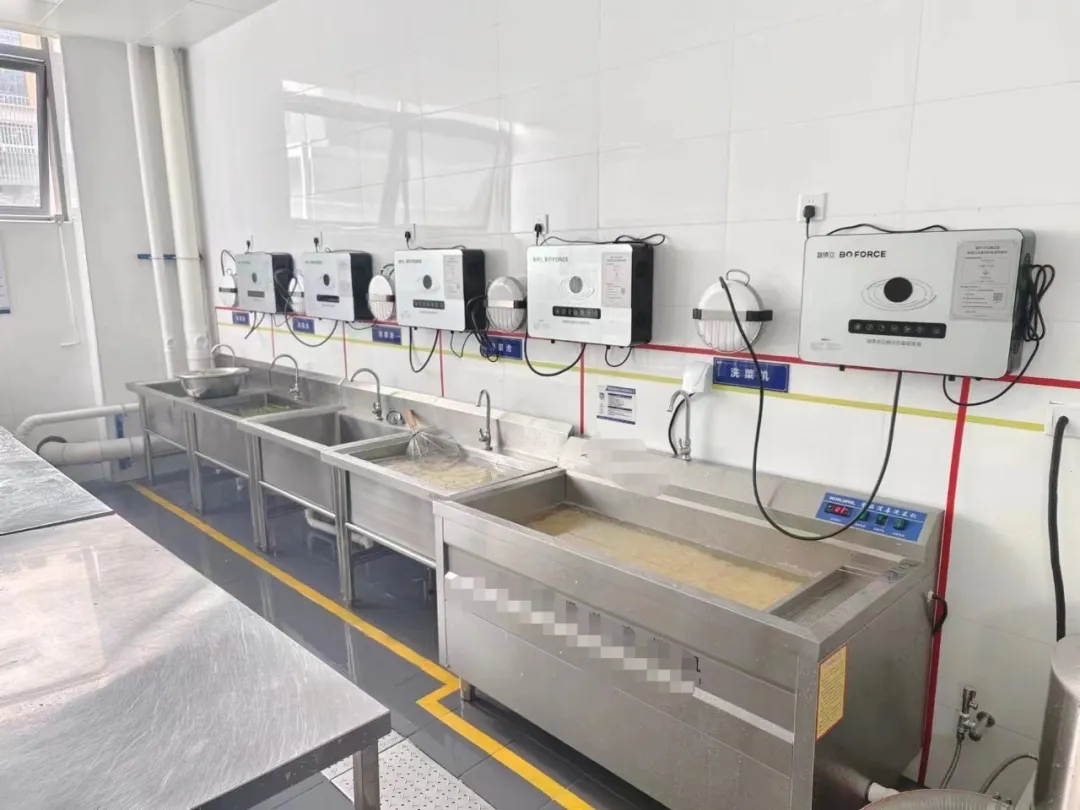
Xu Bin noted that Boli Stove began exploring the field of ingredient purification ten years ago. After five years of independent R&D, it launched commercial ingredient purification equipment in 2021, offering solutions for Michelin-level food safety and flavor restoration.
Compared to the limitations of ultrasonic, conventional ozone, and water-catalyst technologies on the market, this product uses a three-layer micro-nano active oxygen hydroxyl purification technology. It can efficiently remove harmful substances such as microorganisms, pesticide residues, antibiotics, and hormones from fruits, vegetables, meat, and aquatic products, with a removal rate exceeding 99%.
"Ultrasonic technology can only remove particles from the surface of ingredients. Conventional ozone purification is ineffective. Water-catalyst technology works by electrolyzing chloride ions in water to produce sodium hypochlorite—the main component of bleach—which is not suitable for ingredient purification. In contrast, ingredients purified with our commercial equipment regain their authentic flavor, taste better when cooked, and make the 'original essence' of Michelin dishes purer."
"Cell-Level" Freshness Preservation Technology
Fresh ingredients are the foundation of Michelin-level quality. Ordinary freezers can only provide basic preservation. However, Xingxing Cold Chain's -60°C ultra-low temperature freezer uses proprietary technology to achieve deep freshness retention.
"-60°C ultra-low temperature preservation is our unique technology. Rapid freezing protects the cell walls of food from being ruptured, maximizing the retention of the ingredients' original texture," said Lu Yi, Director of the Xingxing Cold Chain Research Institute. He explained that this technology significantly reduces the amount of purge (blood and liquid loss) when meat is thawed, and fish frozen for short periods can even spring back slightly after thawing—perfectly meeting Michelin's stringent requirements for ingredient freshness.
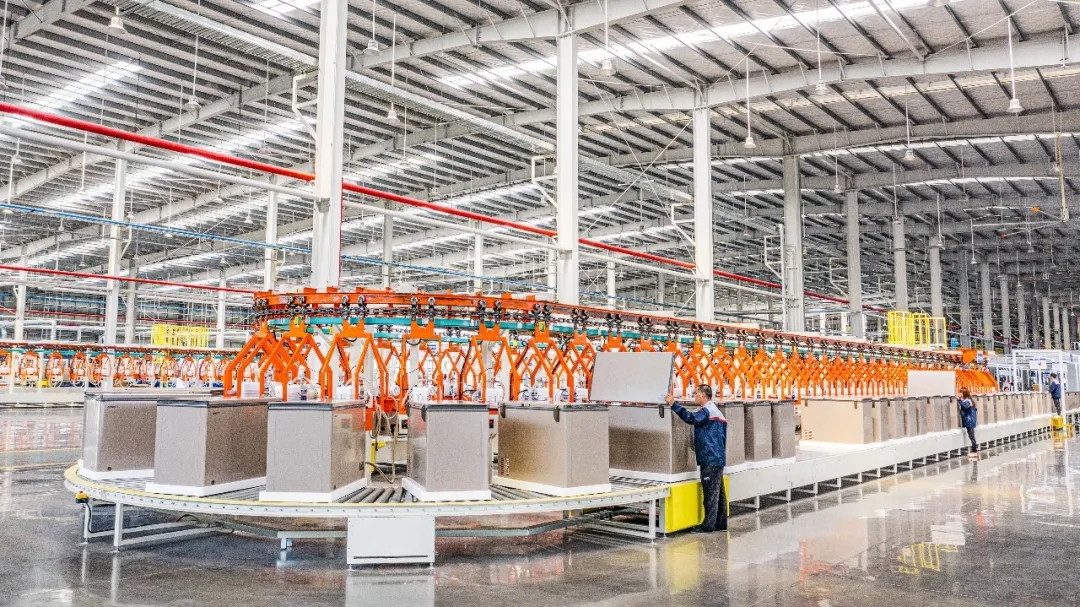
Achieving -60°C ultra-low temperature preservation is extremely challenging. The core of the technology lies in Xingxing's proprietary refrigerant formula, combined with strict manufacturing processes to prevent the freezer body from cracking or deforming.
The product has been highly favored by high-end restaurants since its launch. The company continues to iterate and upgrade, optimizing materials and improving low-temperature technology, steadily enhancing its preservation capabilities to provide solid support for ingredient storage in Michelin-starred kitchens.
"Additionally, we have precision temperature-controlled freezers specifically designed for desserts and beverages, which can lock temperature fluctuations within±0.3°C, delivering 'cell-level preservation'," Lu Yi added.
Kitchenware Unlocks the Secrets of Cooking
How can a 0.6 kg East China Sea yellow croaker be steamed in six minutes to achieve a Michelin-level texture—tender, unbroken, and free of fishy water droplets? To crack this challenge, Yang Yanjun, head of Zhejiang Baixiaosheng Energy-Saving Technology Co., Ltd., personally ate over 100 yellow croakers over two months, repeatedly adjusting the temperature and humidity of the steaming cabinet, until he finally achieved the perfect balance for steaming seafood.
Founded in 2003, Baixiaosheng was among the first batch of commercial kitchen companies in China to obtain CCC certification. Yang Yanjun started his career in the catering industry and understands the pain points of back-of-house equipment well. "Seafood is the soul of Taizhou cuisine. If a restaurant can't cook seafood well, it can't survive. So after switching to manufacturing, I focused on making excellent seafood steaming cabinets."
Yang Yanjun explained that traditional steamers are cumbersome to ignite, taking 15 minutes to produce steam, and can easily burn the chef. Baixiaosheng's intelligent seafood steaming cabinet uses electronic ignition, ready to use at any time. It takes only 2 minutes and 45 seconds to produce steam for the first time, and just 10 seconds for subsequent steaming cycles.
Given the delicate nature of East China Sea seafood, the company filtered out 20% of the moisture from the steam after repeated tests, raising the steaming temperature from the conventional 98°C to 105°C. This prevents excess moisture from diluting the flavor while avoiding overcooking that causes the fish to crack—making it a "secret weapon" for high-end restaurants steaming seafood.
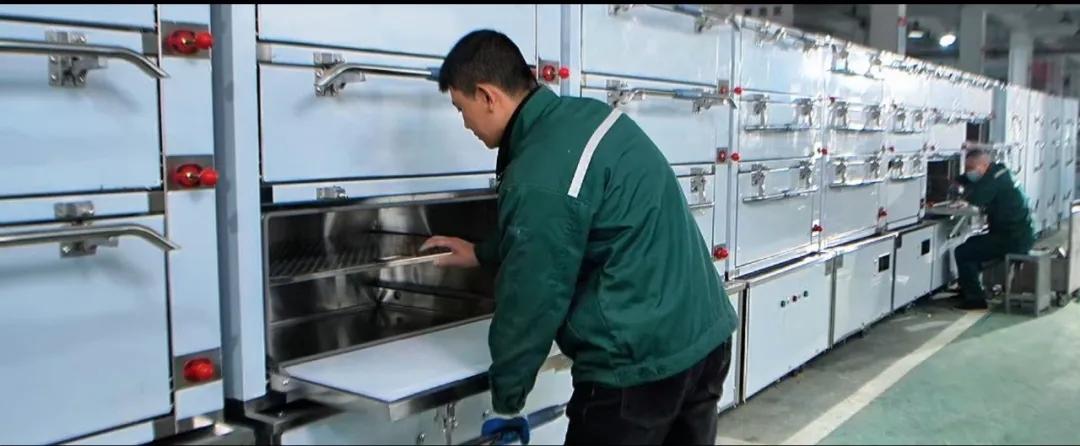
Yang Yanjun noted that Michelin-starred restaurants demand far more from kitchenware than just "ease of use." Thermal precision, durability and stability, and even visual aesthetics and harmony with the culinary style are all hard requirements. "We have invested in five-axis laser cutting and precision welding robots to customize open-flame ovens and combination steamers for several Michelin-starred restaurants in Asia. For Japanese cuisine, where grilled eel must have crispy skin, tender meat, and even browning, our ovens achieve a temperature field uniformity of±2°C through precisely arranged air ducts and heating tube matrices."
At Zhejiang Supor Co., Ltd., there is a dedicated production line for cookware customized for a three-Michelin-starred restaurant in France. Unlike ordinary products, the thickness error of the multi-layer steel base on this cookware is controlled within 0.05 millimeters, and the handles are made of ergonomically curved, heat-resistant material, meeting Michelin's exacting standards for heat distribution and balance.
The "nanocrystallization" non-stick coating technology developed by Aishida Group has successfully passed a 300-hour high-intensity use test in the kitchens of multiple Michelin-starred restaurants, offering wear resistance twice the industry standard.
The Global Ambition of the "Taizhou Brigade"
In fact, Taizhou has formed a complete kitchenware industry cluster covering cookware, cold chain, and professional kitchen equipment. Data shows that Taizhou produces over 60% of the world's non-stick pans, and its production of pressure cookers and refrigerated display cabinets leads the country. But more notably, leading enterprises are shifting from large-scale standardized production to high-value-added customized services.
Behind this leap is a systemic breakthrough by Taizhou's manufacturing sector in materials science, precision processing, and intelligent control. Supor has established a metal materials laboratory with a university, Aishida has set up a coating technology research institute, and Xingxing Cold Chain has developed its own IoT temperature control module.
"Michelin standards are essentially about experiential certainty—ensuring consistent quality regardless of which branch or which chef is cooking. Through precision manufacturing and intelligent control, Taizhou Smart Manufacturing extends this certainty from the dimensions of ingredients and cooking to the tools themselves. This is a critical positioning of Chinese manufacturing in the service economy era," said Yang Yanjun. For Taizhou enterprises to enter the Michelin supply chain not only means higher order values but also signals that China's kitchenware industry is beginning to help define the equipment standards for high-end global cuisine.
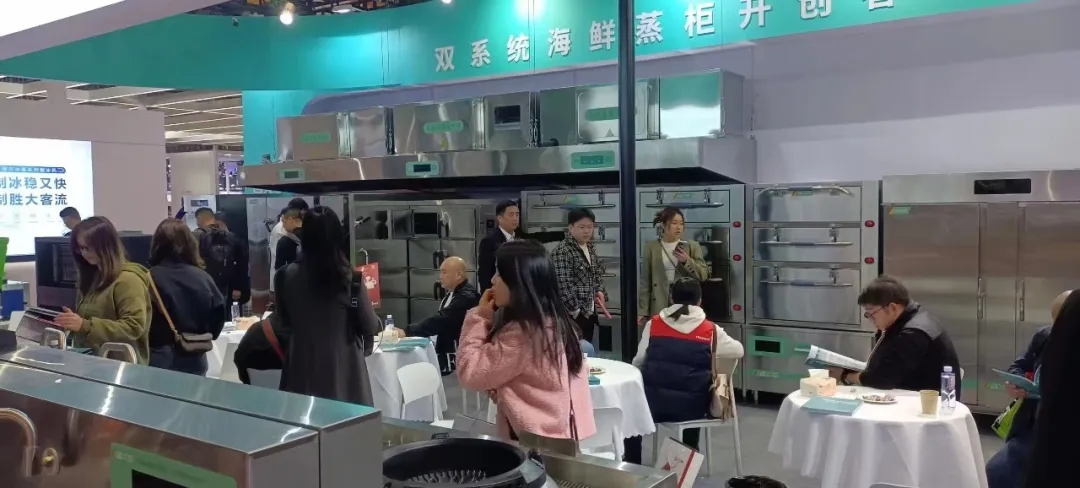
From ingredient purification technology to Supor's non-stick pans, from Xingxing's precision temperature control to Baixiaosheng's custom steamers and ovens, Taizhou enterprises are operating as "hidden champions," providing full-chain smart manufacturing support for the world's top restaurants—covering everything from ingredient preparation and cooking to final presentation and service.