
Freshness Preservation and Processing of Aquatic Products: Lighting Up Michelin Tables | Decoding "Taizhou Cuisine"
In the early morning, the East China Sea glistens. On the deck of the Zhe Ling Yu 56101, master Chen Qingcai and his crew deftly move freshly caught red shrimp. These bright red delicacies are quickly sent into ultra-low temperature freezing compartments at minus 50 degrees Celsius.
From the depths of the East China Sea to ocean-going vessels, and then to the plates of Michelin-starred restaurants around the world, Taizhou's aquatic products — through freshness preservation and processing — are embarking on a flavor journey across mountains and seas, delivering the ultimate "freshness."
Locking in Freshness at Sea: Saying Goodbye to Preservatives, Preserving True Flavors
"I've been at sea for over 40 years. We never had such conditions before!" Chen Qingcai exclaims. In the early days, fishing boats had no freezing equipment. The shrimp caught could only be kept looking decent with preservatives, often changing color and spoiling before the boat even reached shore, fetching low prices. Later, with freezing compartments on board, the use of preservatives decreased. Five years ago, Wenling's fishing boats underwent a comprehensive upgrade to ultra-low temperature quick-freezing compartments, completely changing the situation. "Now, the shrimp we just catch are sorted, cleaned, loaded into the compartments in 5-kilogram baskets, quick-frozen, and then packaged. The freshness is nearly as good as live shrimp and can be maintained for more than half a year."
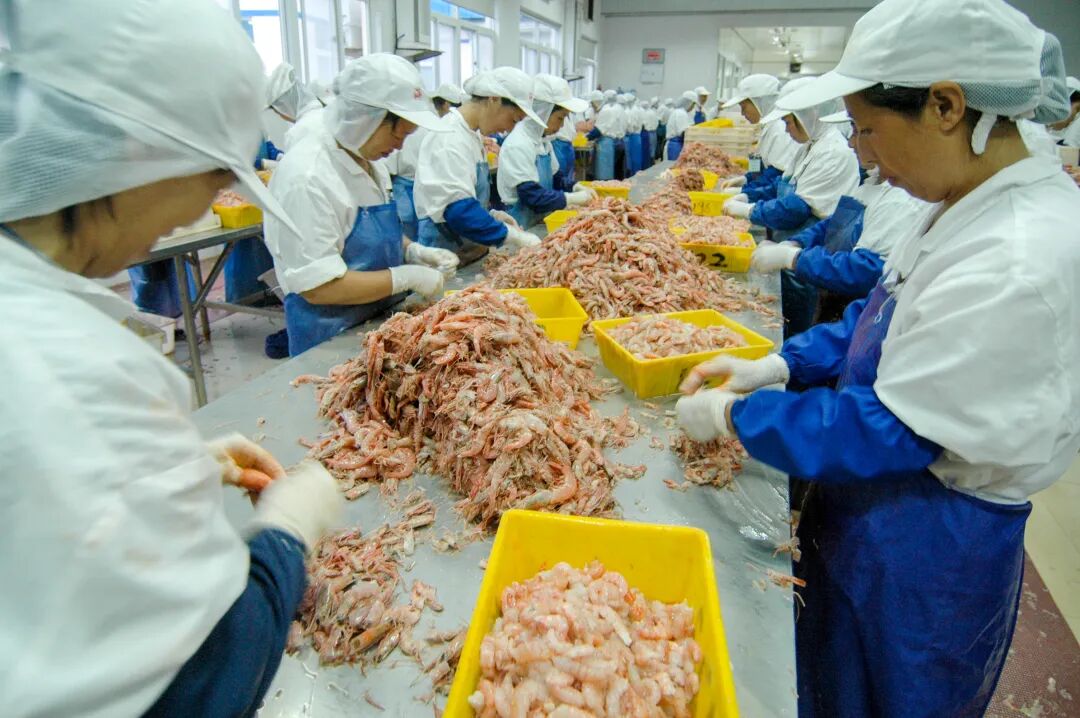
This "floating processing plant" model epitomizes the freshness preservation of Taizhou's aquatic products. Today, the entire process from catch to quick-freezing locks in freshness with lightning speed, breaking the limitation that East China Sea seafood must be eaten immediately after catching. Chen Qingcai's children run several restaurants locally. Their signature dishes featuring shrimp, with their direct, palate-grabbing sweetness, have become must-order hits. "Customers say the shrimp are tender, have no fishy smell — it's just the original taste of the East China Sea."
Deep Processing: From Rough Processing to High-End Ingredient Supplier
In Wenling, traditional aquatic product processing once fell into a trap of "low profit, high competition." "We used to do rough processing — buying seafood at the docks, quick-freezing and packaging within six hours. Gross margins were only one or two percentage points. The market was too competitive," admits Hu Jianbo, general manager of Zhejiang Biyang Youxian Food Co., Ltd. In 2024, the company pivoted to precision processing of seafood, targeting the high-value-added international market, with frigate mackerel as its core raw material.
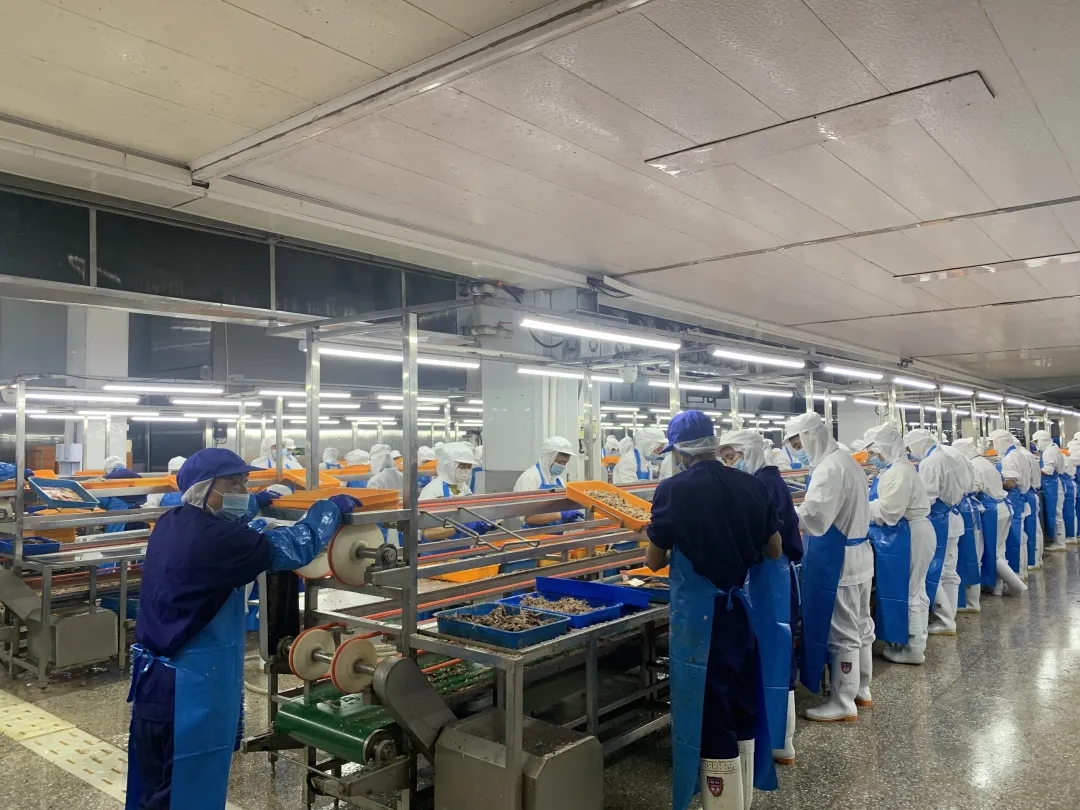
"After cooking, the frigate mackerel is deboned, skinned, and have their viscera removed. The white meat is exported to Europe and America to make tuna salad and high-end canned products. The red meat is supplied to domestic pet food factories," Hu explains. To control quality, the company extended its industrial chain to include fishing, building its own light-purse seine boats. Currently, self-caught frigate mackerel accounts for 30% of its supply. "From raw material to finished product, the whole process is completed within two hours, so not a bit of freshness is lost." Today, Biyang Youxian's deep-processed products have entered the EU and Japanese markets, becoming a stable supplier to local high-end restaurants.
Intangible Heritage Reborn: A Thousand-Year-Old Dried Fish Finds New Horizons in Prepared Dishes
"Salt heavily, rinse lightly, dry thoroughly." Chen Xinwei, the inheritor of the traditional processing technique of Songmen dried yellow croaker (bai xiang), sums up the essence of this thousand-year-old craft in just nine words. As a Zhejiang provincial intangible cultural heritage item, this ancient technique is now sparking new innovations through modern technology.
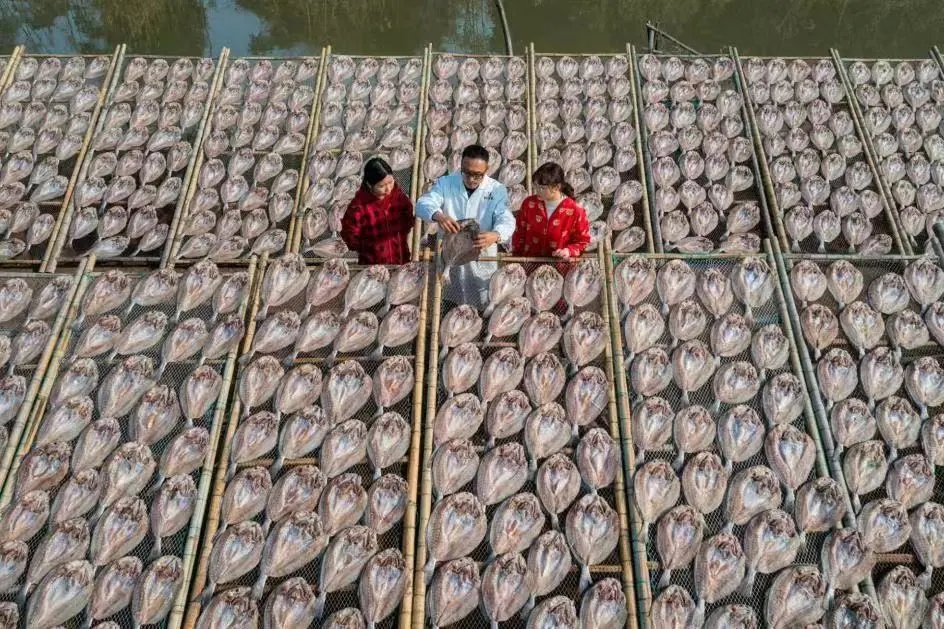
"When people say 'seafood,' they usually mean live seafood. 'Xiang' is another way of preserving freshness — it removes just the right amount of water from the fish while locking in the umami and oils," Chen says.
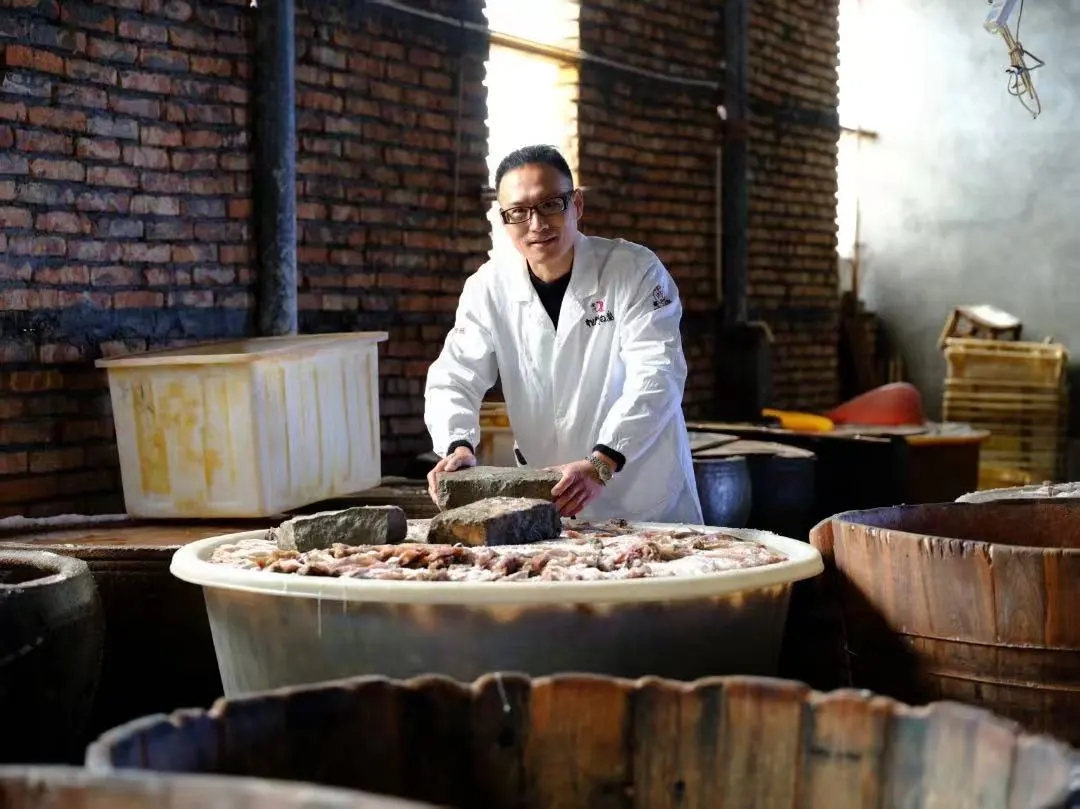
In 2023, Chen Xinwei invested 1.8 million yuan to build a 1,300-square-meter modern processing workshop. Combining vacuum quick-freezing lock-freshness technology with traditional herbal deodorizing wisdom, he developed the "Legend of Yellow Croaker" series of prepared dishes. "We select East China Sea yellow croaker caught at night. After professional testing, they go through three rounds of cleaning and gutting. We use herbs to remove any fishy smell, lock in freshness with ancient methods, then vacuum quick-freeze. Consumers just need to steam it at home for a few minutes to enjoy authentic East China Sea yellow croaker." In 2024, "Legend of Yellow Croaker" was selected as a "Zhejiang Special Souvenir," and the product now reaches 15 cities across China. "We not only supply high-end restaurants in bulk but also do customized production — if inland customers prefer it a bit drier and saltier, and local customers like it moister and milder, we can meet all requirements."
Freshness Renowned Worldwide: Taizhou's Freshness Illuminates Michelin's Global Map
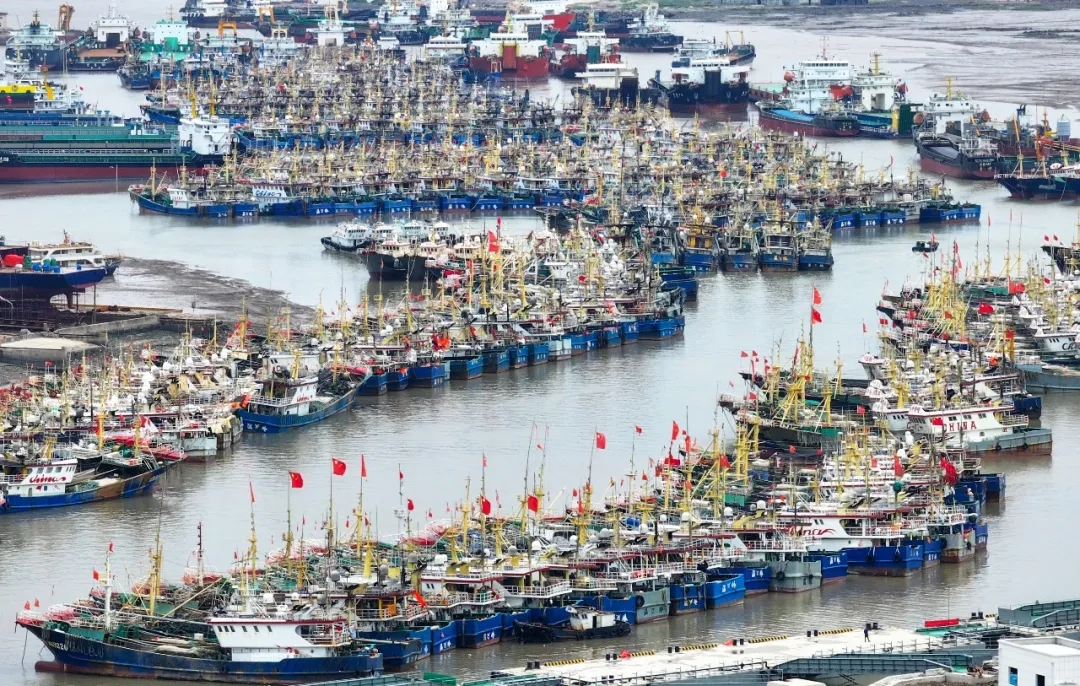
Taizhou boasts more than 700 kilometers of coastline and is home to 64 nationally recognized geographical indication seafood products, including Dachen yellow croaker and Sanmen blue crab. In 2025, the total output value of aquatic product processing exceeded 30 billion yuan. From instantly quick-frozen live seafood to finely processed ocean-going ingredients, to prepared dishes rooted in intangible cultural heritage, Taizhou has built a complete "fishing — farming — processing — sales" industrial chain. Its products have passed stringent quality inspections in the EU, Japan, and other markets, and are exported to more than 20 countries and regions worldwide.
This ultimate freshness has long conquered top international palates. Xin Rong Ji, which features Taizhou seafood at its core, is a benchmark for three-Michelin-star Chinese restaurants in China. Dishes such as Crispy Golden Ribbon Fish and Braised Pomfret with Rice Cake have been praised by Michelin inspectors as "the ultimate fusion of mountain and sea." Frozen yellow croaker, blue crabs, and seabass processed in Taizhou are supplied directly to high-end restaurants in Europe, America, and East Asia. In early April, farmed seabass from Taizhou was exported to Italy for the first time, quickly becoming a new favorite in local Michelin-starred restaurants.
From the vast blue waves of the East China Sea to the delicate plates of Michelin-starred establishments, from traditional fishing flavors to modern international standards, Taizhou's aquatic product processing industry uses "freshness" as its medium, allowing the world to taste the ultimate flavors of China's East China Sea, and establishing "Taizhou Freshness" as a shining landmark on the global gastronomic map.
Translator:Jiayang Lin