
Taizhou Observation | With Its Unbeatable Freshness, Why Did Taizhou Make Michelin "Break Its Own Rules"?
When people mention Taizhou, many think of it as a manufacturing capital. But this city of "steel and concrete" is now boldly revealing its "fresh and sweet" side. Taizhou is going all out to apply for the title of "World City of Gastronomy."
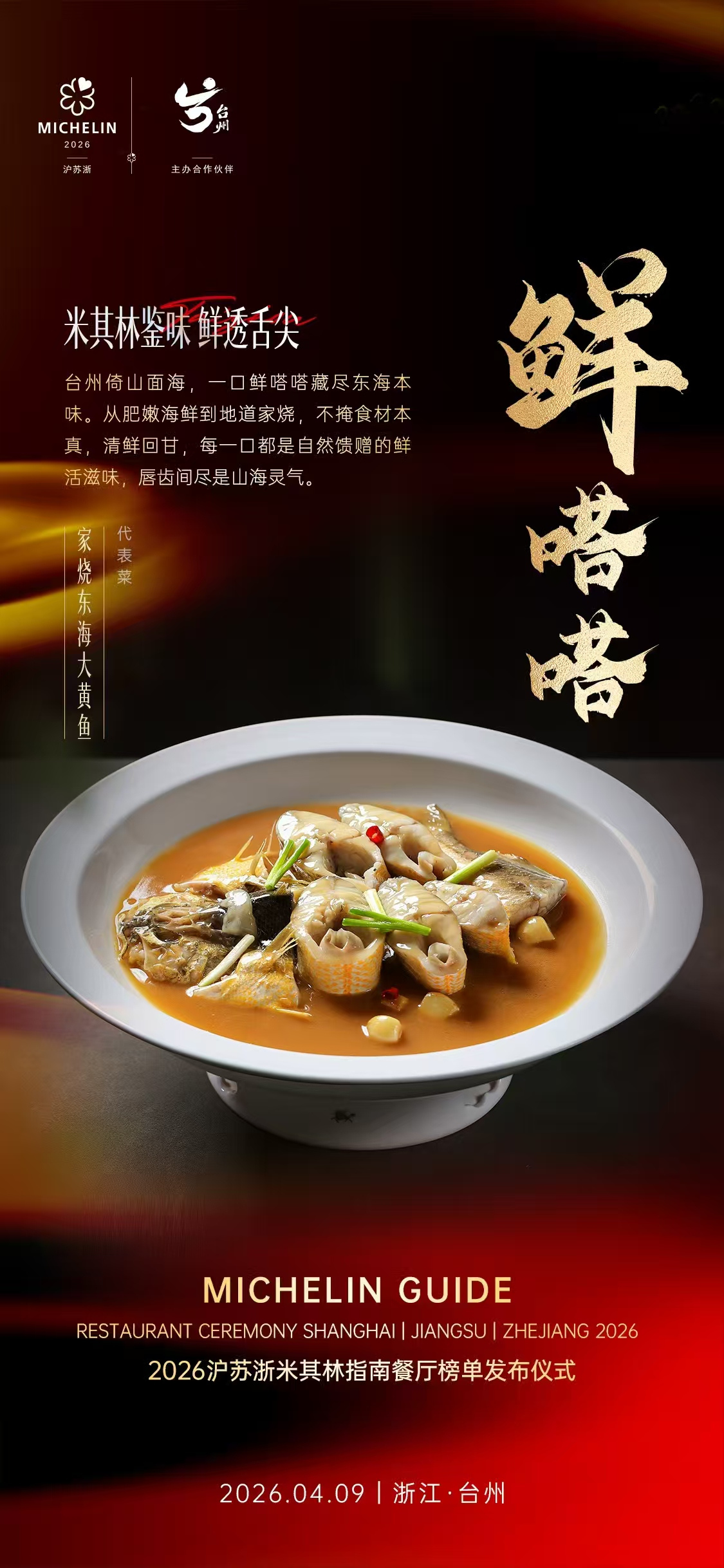
On April 9, the "2026 Michelin Guide Shanghai-Jiangsu-Zhejiang Restaurant Selection" will be officially released in Taizhou, Zhejiang Province. This year's selection will add Taizhou as a new culinary destination, officially making Taizhou the 14th Michelin-rated city in mainland China. Even more intriguing is that this marks the first time since Michelin Guide entered mainland China that the award ceremony has been held in a prefecture-level city.
Why Taizhou? What considerations lie behind this manufacturing capital's focus on food economy? And what extra "ingredients" does Taizhou cuisine need to make its fragrance spread across the nation?
Unmatched "Freshness" and "Ingredients"
In the universe of food, flavor is the passport. The two pillars of Michelin's acclaim — ingredients and technique — just happen to be firmly in Taizhou's grasp.
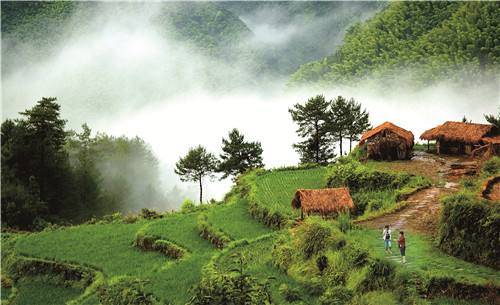
This city squeezed between mountains and sea has 700.5 kilometers of coastline that, turning westward, meets the continuous ridges of Tiantai Mountain and Kuocang Mountain. This geographical configuration allows Taizhou to gather the finest from both mountains and sea.
The dining table in Taizhou is constantly chased by the seasons. Plum fish in snowy January, mullet in peach-blossom February, and never-ending cutlassfish with radish in December — these are the rules of the sea. The rhythm of the mountains is equally relentless: Xianju waxberries, Yongquan tangerines, Linhai yellow-mud bamboo shoots, Yongxi fish… The seasons turn, and freshness never runs out. In Taizhou, grocery shopping is commonly called "buying fresh."
The greatest charm of "Taizhou cuisine" is precisely its "freshness." With just this one word — "fresh" — it holds its own in the culinary world.
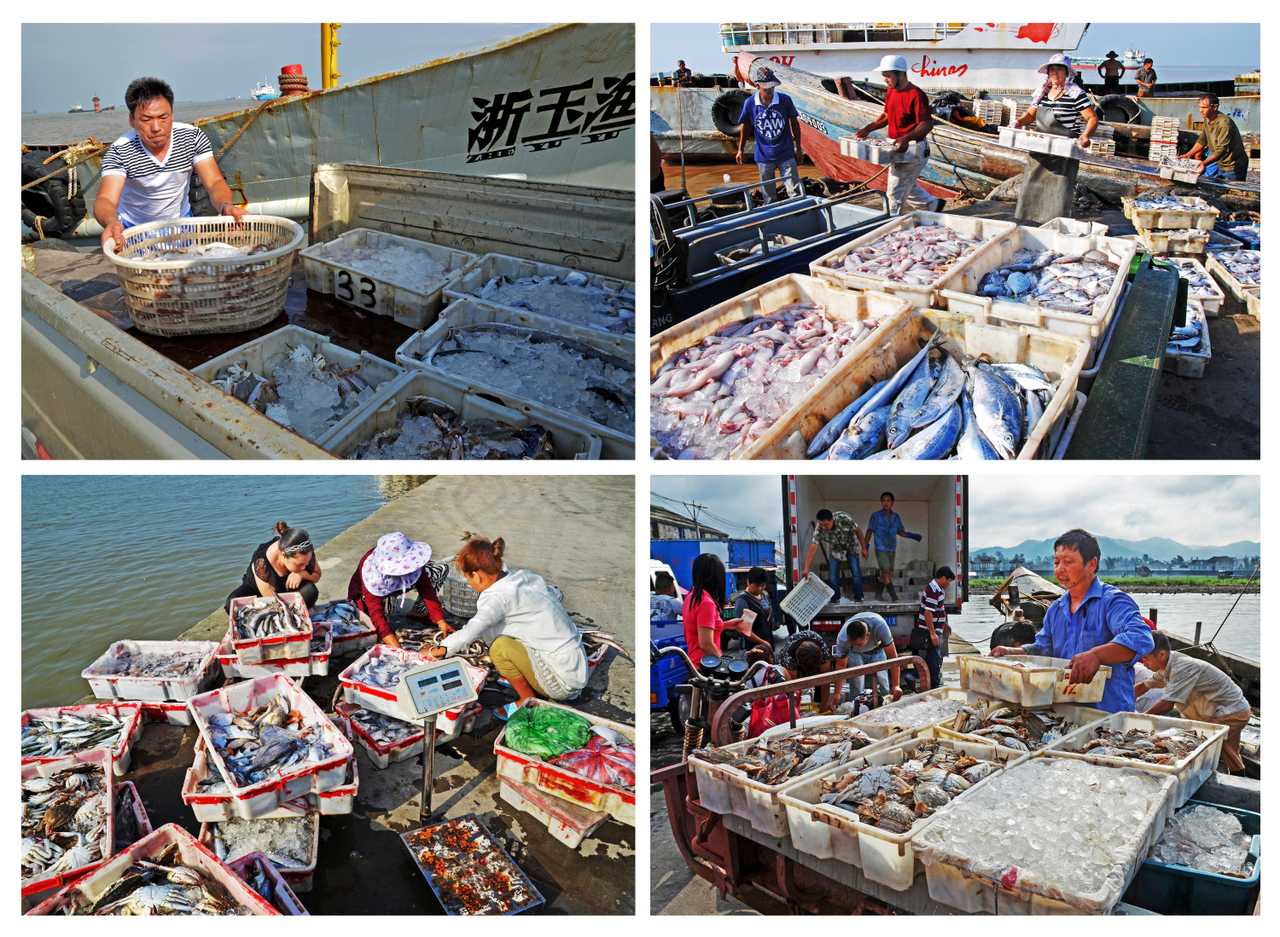
Walk into any Taizhou restaurant, and the ordering area is a parade ground of ingredients. Small seafood always takes center stage, calmly confident. Braised yellow croaker with pickled vegetables, steamed crab, sea anemone with bean noodles, blanched octopus, mudskipper, clams… These dishes may be found elsewhere, but the explosive "sweet freshness" that comes from truly "live and fresh" ingredients is something no other city can match.
The people of Taizhou are as obsessed with freshness as Chongqing people love hot pot or Liuzhou people crave snail noodles. "No rice without fresh ingredients" is a dietary creed etched into their bones. Seafood pulled from Taizhou's nets in the morning can be on Shanghai dinner tables by evening. Minimal seasoning is used, solely to bring out the natural sweetness of the ingredients themselves.
What Moves More Than "Freshness" Is the "Harmony" of Taizhou
A city's cuisine always carries unique sentiment and culture. As one of the main birthplaces of Hehe (Harmony) culture, Taizhou's flavors echo with the spirit of harmony.
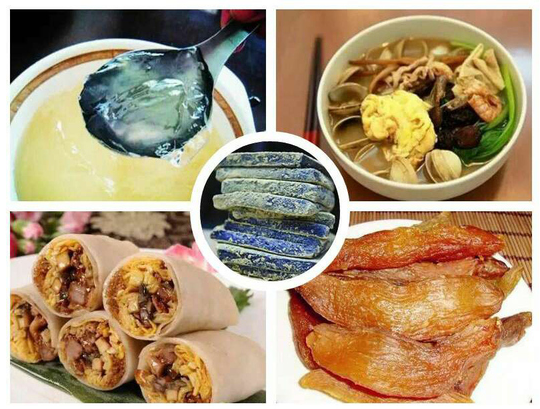
First comes diversity, each beautiful in its own way. Taizhou is a paradise for carbohydrate lovers, offering over 200 specialty snacks, including stuffed rice cakes, steamed round dumplings, black rice cakes, and ginger soup noodles. The city boasts 14 provincial-level intangible cultural heritage representative items related to food, and 52 municipal-level ones — enough to make you come with a "256-gigabyte stomach" and leave clutching the wall.
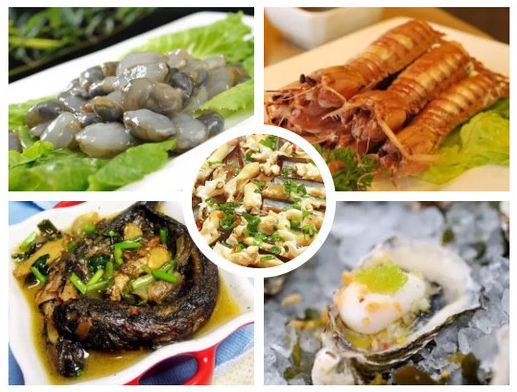
Ten miles bring different customs; a hundred miles bring different tastes. Wild yellow croaker from the East China Sea and Sanmen blue crabs sit side by side on the same table with Xianju spring bamboo shoots and wild vegetables. Chefs understand the measure of "harmonizing the five flavors," never allowing any single taste to dominate. This spirit of harmony and inclusion is perfectly displayed in a single stuffed pancake (shibingtong). A thin pancake made from wheat flour is laid flat, then a "bit" of seasonal seafood, fresh vegetables, and stir-fried shredded pork is added. Roll it up, take a bite — the aroma is locked in, and so is the memory.
"Harmony" also appears in Taizhou cuisine's eclectic strengths. Chef teams frequently travel to other regions to exchange and learn, resulting in diverse and home-style cooking techniques that skillfully incorporate elements from other culinary traditions. Last year, Lin Jiayi founder Lin Meijun formally apprenticed under Qi Jinzhu, the national intangible cultural heritage representative bearer of the Manchu-Han Imperial Feast, fusing the refinement of imperial cuisine with the vivid freshness of Taizhou's "supreme flavors from mountains and sea."
Even more rare is the refined yet accessible quality of Taizhou cuisine. It can grace Michelin-starred restaurants while thriving equally well at street-side stalls. A specialty snack from a roadside stand might reappear at a hotel restaurant.
Many Trees Make a Forest: The "Cluster Effect" of Catering
If the first layer of logic concerns "taste," then the second concerns "ecosystem." Michelin chose Taizhou not solely because of Xin Rong Ji's brilliance, but because a true "cluster effect" has formed in the local dining scene.
Taizhou cuisine is a major representative of Zhejiang cuisine. But twenty years ago, overshadowed first by Cantonese cuisine and then by Ningbo cuisine, it was an obscure player. Then Xin Rong Ji burst onto the scene. Starting as a street stall in Linhai in 1995, it expanded north to Shanghai and Beijing, south to Hong Kong, and overseas to Japan, becoming the Chinese restaurant group with the most Michelin stars — a cumulative total of 93 Michelin stars and 128 Black Pearl diamonds. It stands unrivaled in China's dining industry, and there is no other like it in the world. Xin Rong Ji single-handedly elevated Taizhou cuisine from "the lowliest rivers and lakes" to "the heights of the temple."
But what has truly made Taizhou cuisine shine in today's culinary landscape is not the stature of a single tree, but the flourishing of an entire forest.
Xin Rong Ji's rise was like a rallying call, awakening dormant culinary forces in Taizhou itself: Lin Jiayi, Shunji·Pujiang Hui, Laobian Restaurant, Longyan·New Taizhou Cuisine, Xinglong Catering, Kelong Yihao… one after another, a "star-and-diamond echelon" emerged, spreading from Taizhou's home turf to first-tier cities like Beijing, forming a striking "Taizhou matrix" on China's high-end dining map. In Shanghai alone, over 1,300 Taizhou eateries have set up camp. On nearly every major thoroughfare, you can find a Taizhou restaurant within four kilometers.
"Flowers bloom outside the wall, but they smell even sweeter inside." As Taizhou-style dining brands conquer the nation, capital and restaurateurs' attention is drawn back to the hometown. On this fertile soil, a deep-rooted and thriving local catering industry system has been cultivated, with high-end dining competition as fierce as in many provincial capitals.
Michellin's Vote of Confidence: Recognition of the City's "Industrial Depth"
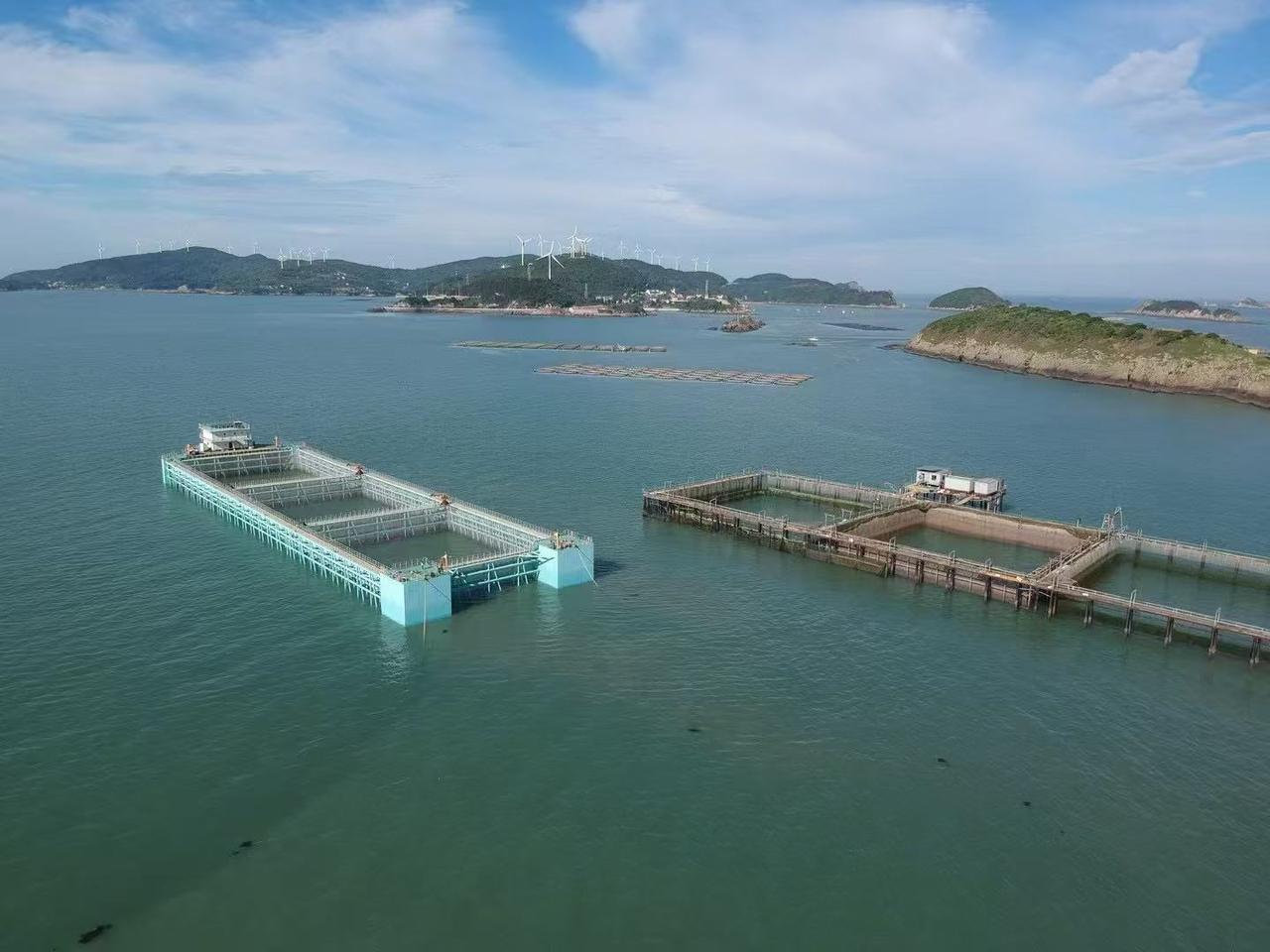
This depth comes from a meticulously woven industrial chain from source to table. The Changtan Reservoir area in Huangyan employs a dual track of "traditional techniques + modern standards," infusing standardized DNA into mantou and tofu. Sanmen County, using the "Zhejiang Food Chain" system, gives green crabs and blood clams an "electronic ID." Dachen yellow croaker, via "live-water boat transport + temporary culture base conditioning + single pure-oxygen packaging + full cold chain direct delivery," swims lively into markets across the country…
This depth also comes from a vast and vibrant ecosystem. A city's food culture is not only about refined delicacies but also about the bustling life of ordinary streets. With 63,600 catering businesses and 160,000 employees, from breakfast stalls at 5 a.m. to seafood stalls at 2 a.m., a dense and intricate taste network is woven.
And the most unique support comes from Taizhou's manufacturing DNA. Leading companies like Supor, Fuling Incorporated, and Xintianli are customizing high-end kitchenware and biodegradable packaging for Michelin-starred restaurants. When star chefs showcase their skills in Taizhou, the pots, knives, and stoves in their hands may well have come from local factories. Cookware and cuisine, manufacturing and taste buds — a wonderful marriage takes place here.
What Extra Ingredients Could Taizhou Cuisine Add?
In Zhejiang Province, catering revenue accounts for more than 10% of total retail sales of consumer goods. Why does Taizhou place such importance on the food economy? The word "eating" touches not only taste buds but also cultural heritage, city image, and consumption vitality. In 2025, Taizhou's comprehensive tourism revenue reached 87.65 billion yuan, a year-on-year increase of 12.3%, while cumulative growth in catering turnover was 7.5%, both above the provincial average.
Focusing on the food economy, Taizhou is turning "eating" into a new engine driving cultural tourism development and common prosperity.
In Taizhou, food is a speaking travel map. In the morning, head to Wenling's Shitang — swimming crabs just landed still carry the saltiness of the sea. Steam them, dip in a little vinegar, and the freshness leaves you speechless. At dusk, visit Jiaozhi Old Street in Jiaojiang, order a bowl of ginger-sprout noodle soup — spicy and warming, with a rich broth. Tomorrow, hurry to Xianju, where a farmhouse earthen stove simmers "Meilin chicken" — one sip of the soup feels like swallowing the spiritual energy of the mountains… Taizhou is transforming from a place where "you might eat if passing through" to an ultimate destination "worth a special trip just for the food."
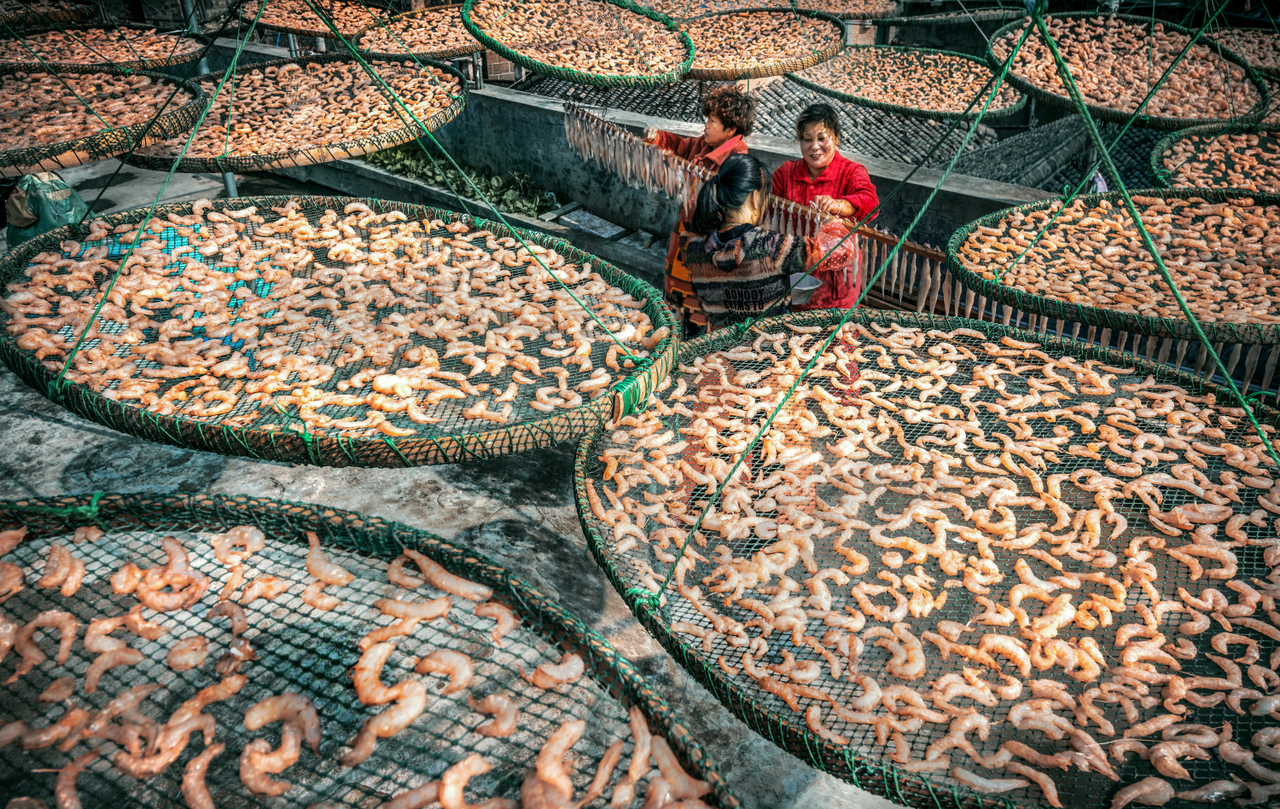
The food craze also translates into momentum for increasing people's incomes. In Xianju's Yangfeng Village, the purchase price of rice rose from 5 yuan per kilogram to 20–30 yuan. Wenling's Songmen dried yellow croaker — the "legend of the yellow croaker" — spread from the East China Sea fishing grounds nationwide, driving an average annual income increase of 35,000 yuan per household for more than 200 farming households… One dish can enrich a region.
Taizhou cuisine's journey from breakout to lasting popularity would be impossible without forward-looking policies and precise industrial implementation. In 2023, Taizhou took the lead in issuing the "Implementation Opinions on Promoting High-Quality Development of the 'Taizhou Cuisine' Food Industry." In 2025, deepening the construction of a "World City of Gastronomy" was written into the government work report, a special task force was established, tasks were broken down, and the blueprint for the food industry is being drawn step by step.
The results are already visible. In January 2025, the debut of "Flavors Arising from Taizhou" topped the integrated communication index for online-broadcast documentaries eight times, with over 100 million exposures online. Taizhou was hailed as "the city with the strongest food communication in the past decade." In July of the same year, Taizhou cuisine scented the shores of Lake Geneva, making its international debut during the World Intellectual Property Organization General Assembly. In February 2026, Taizhou cuisine appeared successively at three major international platforms: the Milan Winter Olympics, UNESCO, and the Food and Agriculture Organization of the United Nations — from a sporting mega-event to UN agencies, the taste of Taizhou completed one "voyage" after another.
Why did Michelin choose Taizhou? The answer is already clear. But for Taizhou to advance beyond being "listed" to truly becoming a "World City of Gastronomy," it still needs to add a few special "ingredients" to its bowl.
First, let the taste have roots. Taizhou cuisine remains "folk-inherited" — each restaurant has its own secret recipes. Vibrant and energetic as it is, it lacks a "textbook" for learning and transmission. What exactly is the "freshness" of Taizhou cuisine? How is it different from the "clear freshness" of Cantonese cuisine or the "sweet freshness" of Fujian cuisine? Taizhou is working to clarify these questions. Research on "Taizhou Food Tales" has been completed, the publication "Flavors Arising from Taizhou" has been launched, and 28 "Taizhou Cuisine Preparation Techniques" have been included in the ninth batch of Taizhou municipal intangible cultural heritage items, providing a path for future generations to follow.
Second, let the taste have soul. Tiantai Mountain is a major birthplace of Hehe culture; the legend of Hanshan and Shide has floated through a thousand years. Under the ancient city walls of Linhai, the bustling life of the Southern Song Dynasty still hides. On Dachen Island, the sweat of reclamation pioneers watered their youth. Can these stories be cooked into the dishes? A "Hehe Banquet" where each dish tells a conversation between Hanshan and Shide; a bowl of "seafood noodles" infused with the reclamation spirit of Dachen Island, simmering those years of struggle into the broth. When diners taste not only freshness but also the memories and emotions of this city, Taizhou cuisine gains an irreplicable soul.
Third, let the taste have people. Talent is the cornerstone of Taizhou cuisine's inheritance and innovation. Ten vocational schools in Taizhou offer catering-related majors, with over 3,000 enrolled students, forming a clear tier from secondary vocational to undergraduate level. Taizhou University's "Cooking and Nutrition Education" undergraduate program will soon enroll its first students, filling a gap in Zhejiang's undergraduate culinary education. Taizhou Vocational & Technical College's School of Culinary Arts (Xin Rong Ji School) and the "Three Centers and One Base" are steadily advancing… all of which will inject a continuous stream of professional strength into the Taizhou cuisine industry.
Taizhou, a city that deeply understands the art of good food, is now looking forward to becoming the next "top influencer" of gastronomy.
Translator:Jiayang Lin