
A Century Tongkang: Cleverly Resolving the "Contradiction" Between Replacing Man with Machines and Inheriting Ancient Methods
[Time-honored Brand Profile]
Tongkang Liquor, formerly known as Taizhou "Tongkang Sauce Garden Brewery," was established in Jiaojiang (Haimen) in 1914.
"Tongkang" has been recognized as a Zhejiang Famous Brand Product, a Zhejiang Famous Trademark, and is included in the first batches of both the "Zhejiang Time-honored Brand" list and the "Taizhou Time-honored Brand" list. Its main products include yellow rice wine, white liquor, fruit wine, and rice vinegar.
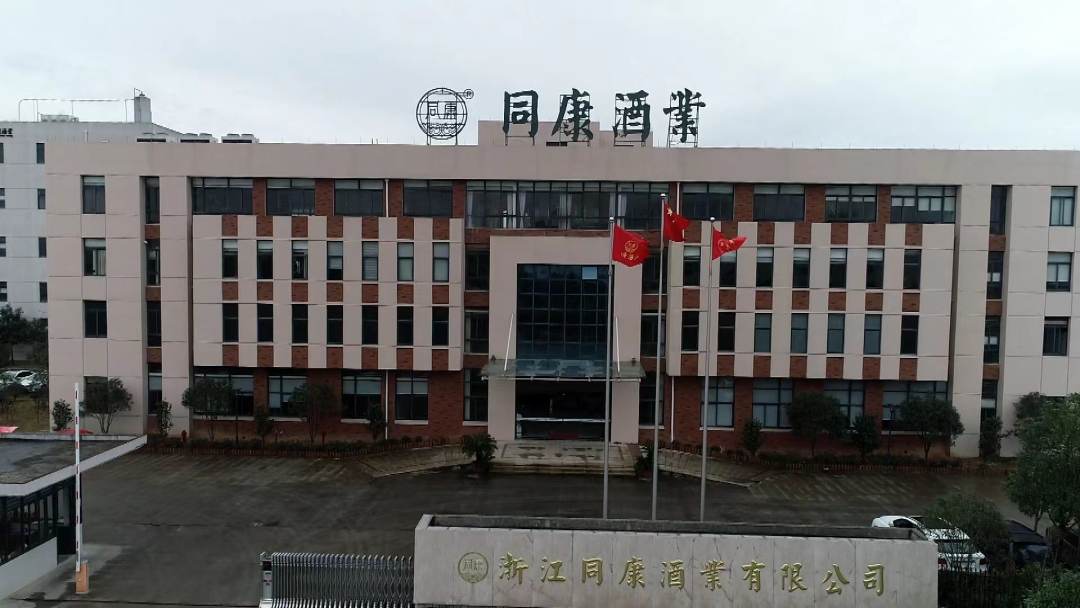
"When friends come, they deserve good wine!" In Taizhou, Tongkang wine is widely recognized as one of the finest local wines.
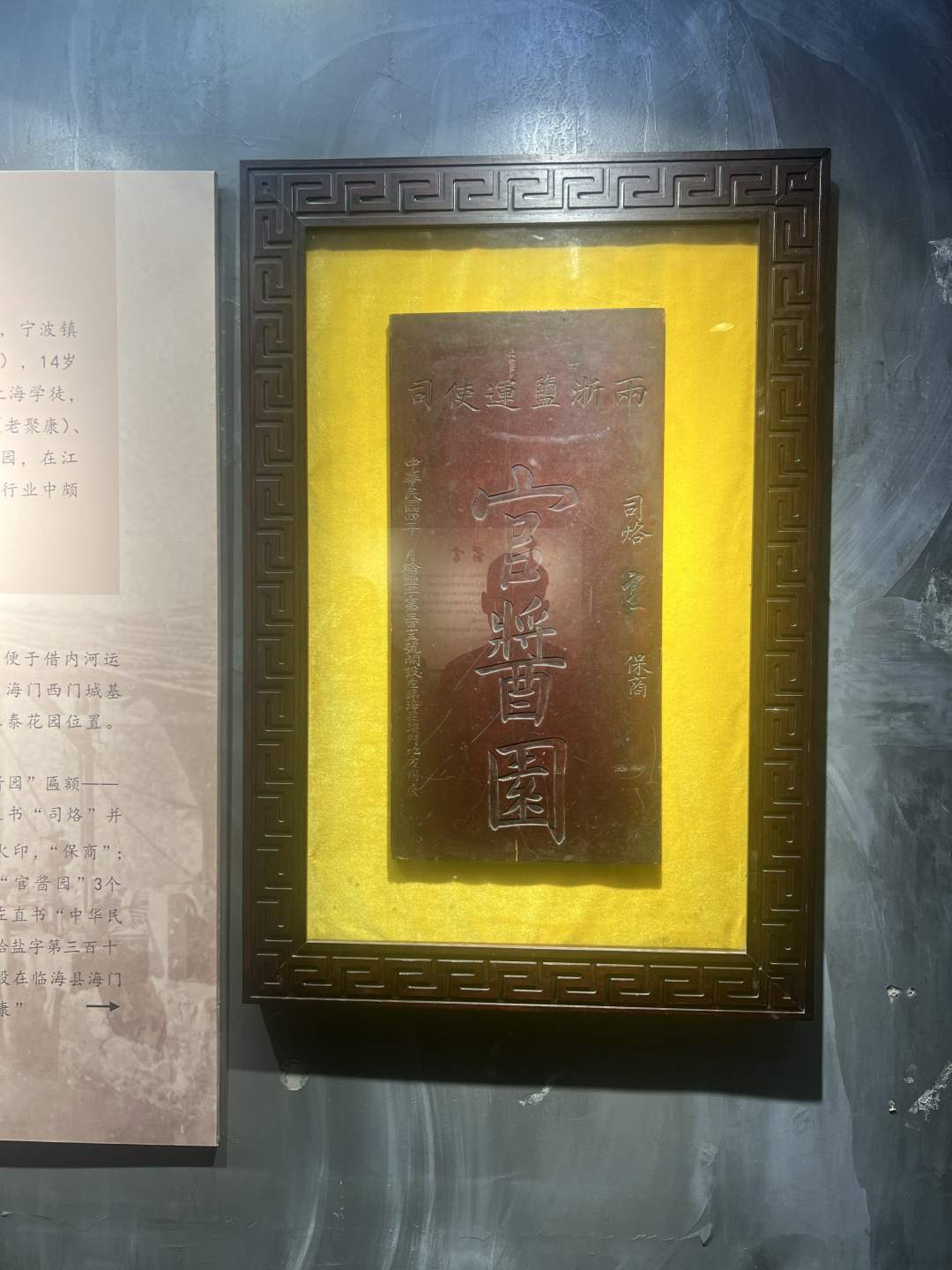
"This is the treasure of our museum," said Zhou Hao, General Manager of Zhejiang Tongkang Liquor Co., Ltd., pointing to a red plaque. "Tongkang was established in 1914, and this is the 'Official Sauce Garden' plaque issued by the authorities in 1915."
This plaque is displayed in the Tongkang Liquor Museum within the factory premises, bearing the serial number "Salt Character No. 315" and issued by the Liangzhe Salt Transport Commissioner's Office, equivalent to a business license at the time.
From 1914 to 2023, Tongkang has traversed a century of history.
01
Let's turn back the clock a hundred years to the early days of the Republic of China.
At that time, after millennia of feudal monarchy had been overthrown and Western powers were bogged down in World War I, China's national industries ushered in a precious golden era of development.
In the third year of the Republic of China, 1914, the founder of Tongkang made his entrance. He was not a native of Taizhou.
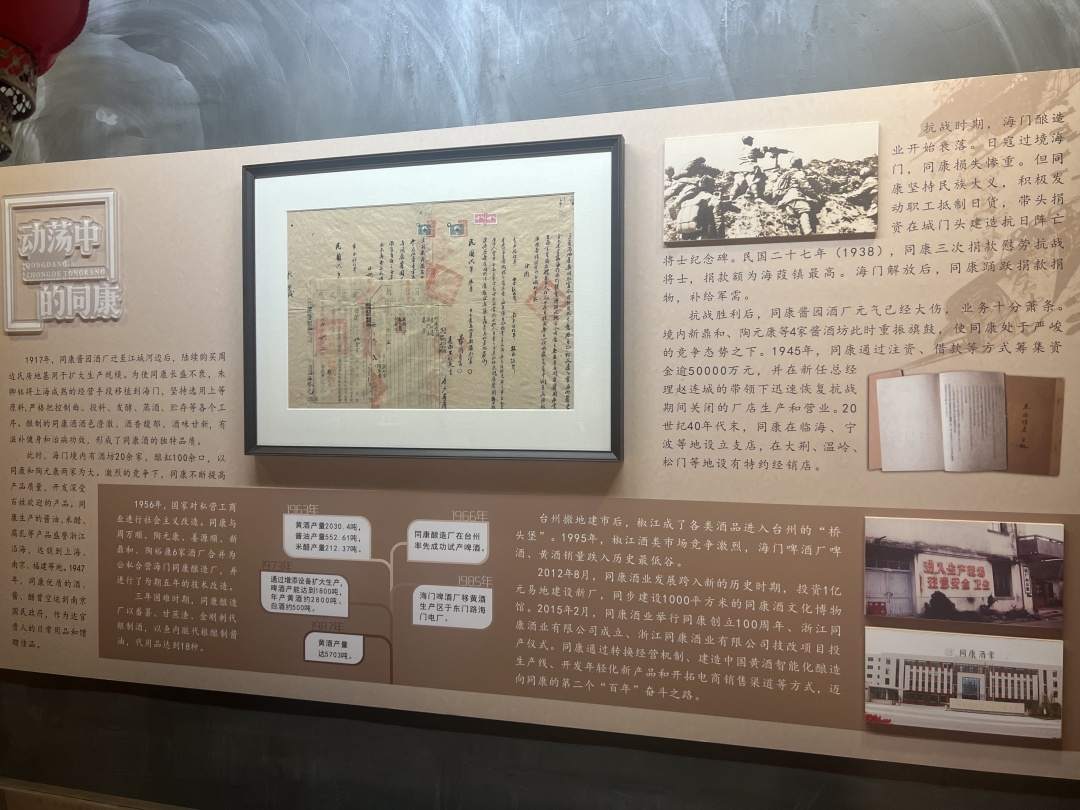
That year, Zhu Qinglai, a Ningbo native who owned several liquor and sauce shops in Shanghai, partnered with relatives and friends Zheng Qingyun, Zhang Weiyun, Fang Haoran, Wen Yanpan, and others, raising 30,000 silver dollars to establish Tongkang Sauce Garden in Jiaojiang (then known as Haimen).
Zhu Qinglai (1877–1927), a native of Cixi, became an apprentice at Shanghai's Huangjinmao Restaurant at 14. He later ventured out on his own, establishing factories like Zhu Hekang, Lao Jukang, Jiukang, and Kangji Winery in Shanghai, and co-founding brewing factories in Songjiang and Ningbo, earning a high reputation among peers.
Zhu Qinglai's decision to establish a presence in Haimen was driven by its convenient transportation. Haimen, often called "Little Shanghai," offered access via the river to Linhai, Tiantai, and Xianju upstream, a dense network of inland rivers connecting to the Wenhuang Plain, and sea routes linking to Shanghai, Fujian, and beyond.
Zhu Qinglai was the "founding father" of Tongkang and also brought advanced brewing techniques to Taizhou.
Tongkang, with its focus on quality, insisted on selecting premium raw materials and strictly controlled every step: starter-making, ingredient feeding, fermentation, distillation, and storage. The brewed Tongkang wine was characterized by its clear color, rich aroma, and sweet, fresh taste, forming its unique quality.
Quality earned reputation. Tongkang's products, including yellow rice wine, white liquor, soy sauce, rice vinegar, fermented tofu, and pickled vegetables, sold well across the six counties of Taizhou at the time, enjoyed high acclaim along the southeastern coast of Zhejiang, and were even sold far away in Ningbo, Nanjing, Shanghai, Fujian, and elsewhere. The enterprise leaped to become the leader of Taizhou's brewing industry.
Around 1917, over 20 breweries with more than 100 fermentation vats emerged in Haimen, creating immense competitive pressure. In this environment, Tongkang chose to expand production scale, successfully developing into an entity with 8 general branches and divisional offices, and a sprawling distribution network, becoming known among Taizhou people as the "big factory."
By 1937, Tongkang had a total of 71 distributors across Taizhou.
The outbreak of the War of Resistance Against Japan caused significant losses for Tongkang, which had been prospering smoothly until then, and the entire brewing industry in Haimen declined due to the war.
After the war's end, Zhao Liancheng, then manager of Tongkang, gradually resumed production and operation at the factories and shops closed during the war, allowing Tongkang to recover its vitality.
Zhao Liancheng (1911–1998) is another important figure in Tongkang's century-long development.
At 13, Zhao Liancheng became an apprentice at Linhai Tongfukang Liquor Shop, which was soon merged into Tongkang. In 1929, he became manager of the Linhai Tongkang branch, and in 1946, he assumed the role of General Manager of Tongkang. During Zhao Liancheng's tenure, Tongkang thrived. By 1948, its annual output reached 20 tons of soy sauce, 50 tons of yellow rice wine, and 25 tons of vinegar, making it the industry leader in the Wenzhou-Taizhou region.
In 1956, six breweries including Tongkang, Taoyuankang, and Zhou Wanshun merged to form the joint state-private operation Tongkang Brewery, with Zhao Liancheng serving as厂长 (factory director). Zhao Liancheng served four consecutive terms as Vice Chairman of the Jiaojiang Political Consultative Conference and was Chairman of the Board of Sanmei Middle School.
In 1966, Tongkang Brewery pioneered beer production in Taizhou, becoming one of the first three enterprises in Zhejiang to produce beer.
In 2001, its beer production capacity was spun off to form Qingdao Brewery (Taizhou) Co., Ltd., while the production capacities for yellow rice wine, white liquor, and soy sauce/vinegar remained independent as Taizhou Tongkang Brewery.
In 2006, the brewery was restructured into Taizhou Tongkang Liquor Co., Ltd., with Zhou Weiping as Chairman.
In 2014, the enterprise was renamed Zhejiang Tongkang Liquor Co., Ltd., and the first batch of wine was produced at the new facility in Tongkang's Binhai Industrial Zone that same year.
02
Walking into the Tongkang Liquor factory zone on the eastern section of Donghai Avenue in Taizhou, waves of rich grain and wine aromas greet you.
"Drawing the spring water from before the door, brewing Tongkang wine whose fragrance travels ten thousand miles."
Over a century has passed, through events like the War of Resistance, joint state-private operation, and enterprise restructuring, and the factory site has been relocated several times. Yet, Tongkang old wine still maintains its "traditional formula and familiar taste."
The brewing industry has a saying: "Water is the blood of wine, grain is its flesh, and starter is its bones." Over 100 years ago, Zhu Qinglai established for Tongkang a series of strict standards covering water sourcing, ingredient selection, starter-making, fermentation, and storage, which have been continuously refined and optimized by generations of brewmasters.
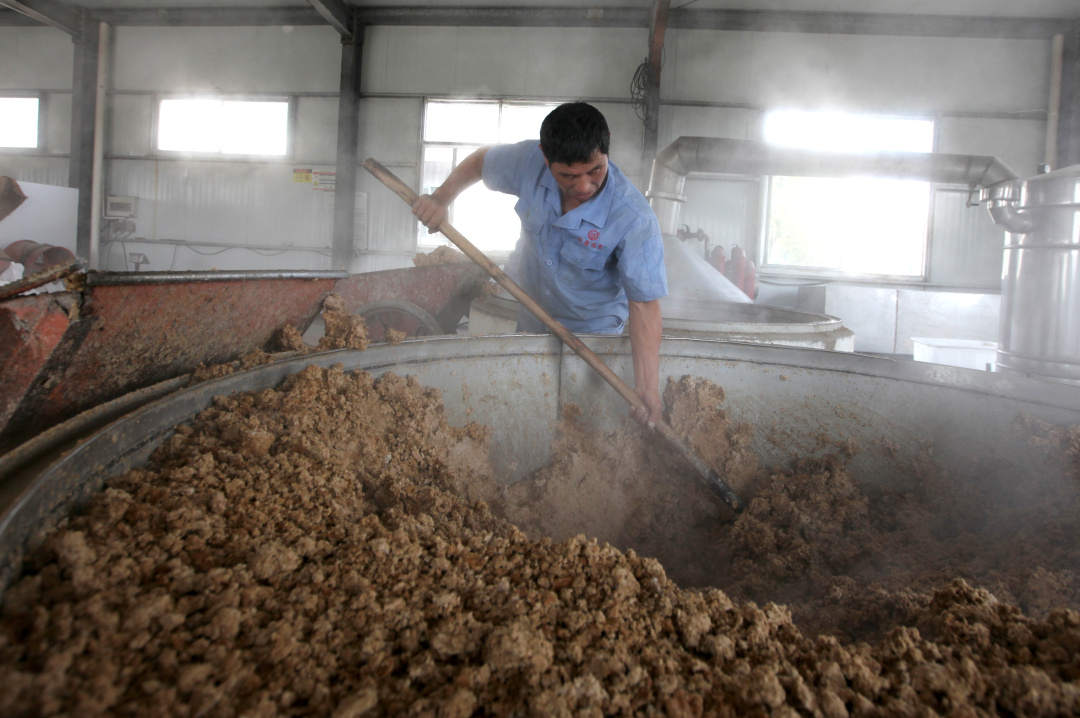
"While others might need only 18 production steps for brewing, Zhu Qinglai refined the process for Tongkang to 22 detailed procedures," said Yang Chun, Deputy General Manager of Tongkang Liquor, recounting the brewing wisdom left by the founder with reverence.
For instance, in selecting ingredients for yellow rice wine, Zhu Qinglai summarized the requirements as "polished, fresh, and glutinous," insisting on using polished glutinous rice. This tradition continues at Tongkang, which always adheres to pure grain brewing without adding food alcohol or preservatives. The selected high-quality glutinous rice from Northeast China features white grains, plump kernels, good aroma, and no impurities.
Zhejiang ranks first nationally in yellow rice wine production, with Shaoxing particularly clustering many famous brands like Kuaijishan, Guyuelongshan, and Tapai, making Shaoxing wine almost synonymous with yellow rice wine. However, Tongkang's brewers confidently believe that Tongkang wine, brewed with the clear, pure source water of Changtan Reservoir, forms its own school with a distinctive flavor—a natural amber color, clear appearance, and rich aromas of mellow, ester, caramel, and wheat.
"The unique taste of Tongkang wine is mainly related to our starter-making process. The starter establishes the wine's aroma. We use red-skinned wheat, a single strain, and a cooking method to produce mature wheat starter. Therefore, the wine brewed has less bitterness and astringency and tastes fresher and cleaner."
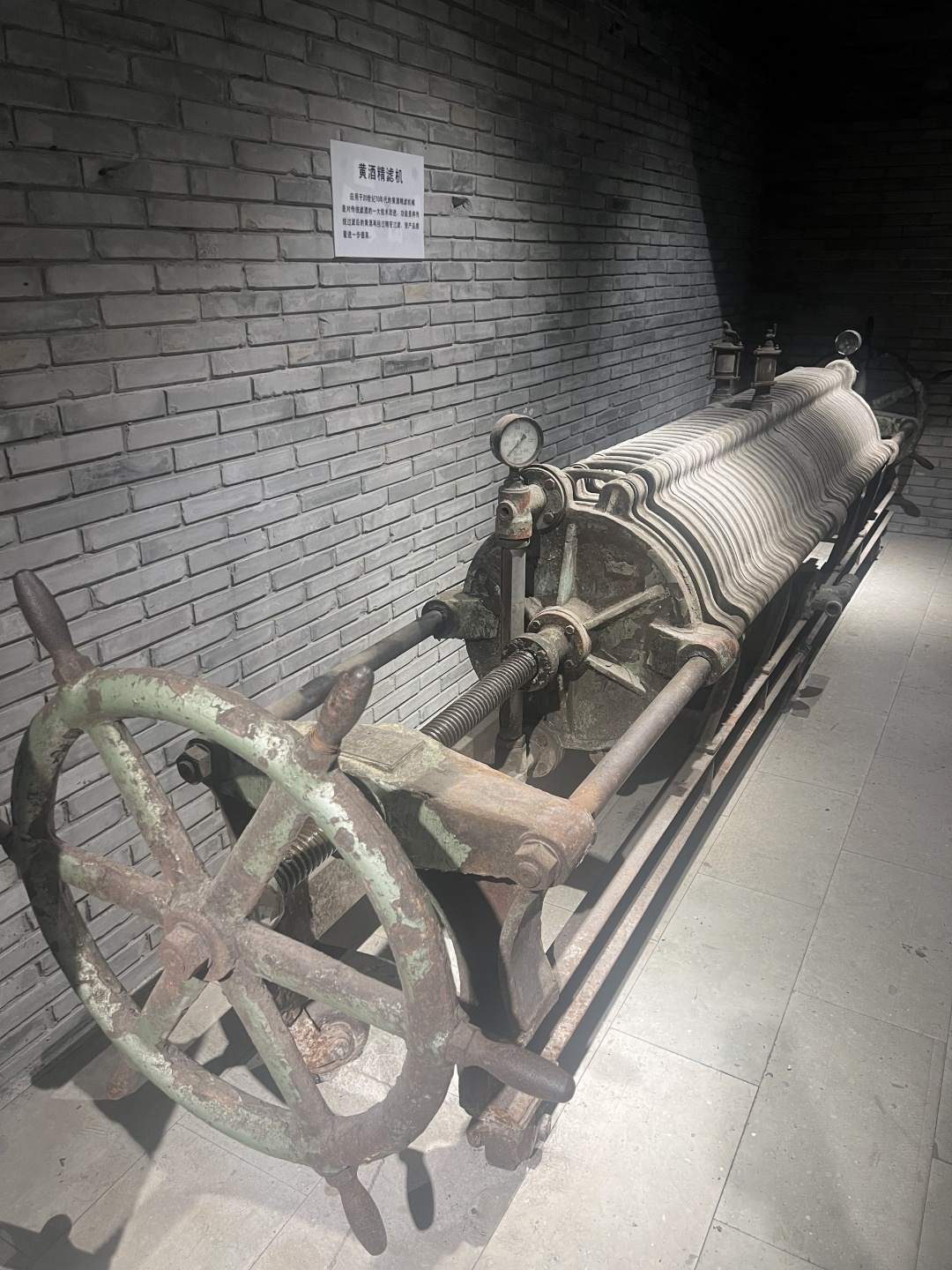
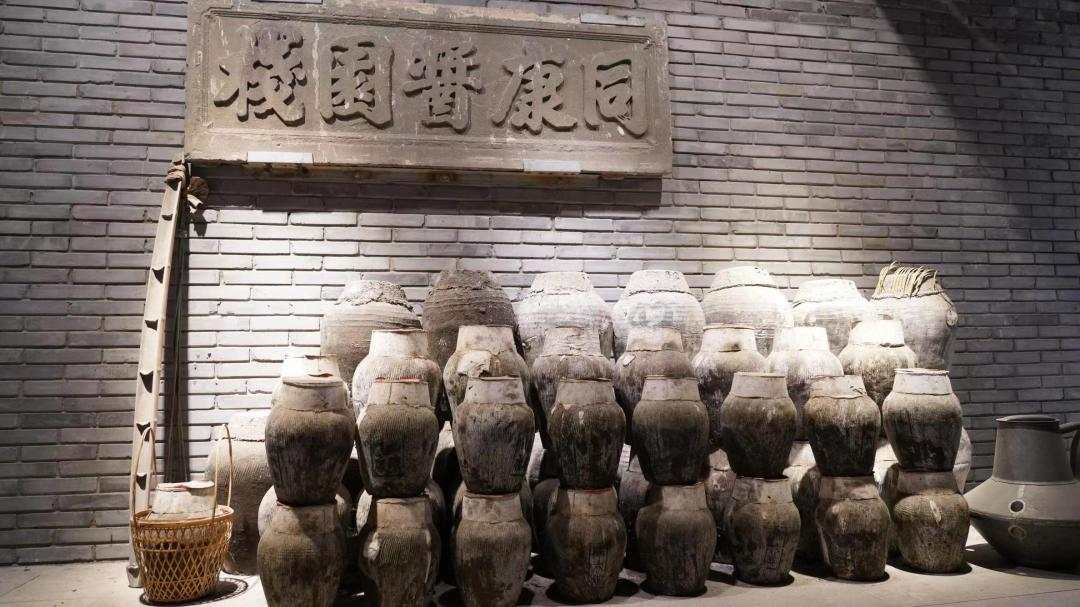
The Tongkang Liquor Museum recreates the brewing scenes of the old Tongkang Sauce Garden using images, artifacts, and more. However, stepping into Tongkang's production workshop reveals a completely different picture. The traditional earthen jars and pots are gone, replaced by highly intelligent and automated production.
Yang Chun explained that Tongkang's production lines utilize industry-preferred equipment. For example, the filling line comes from the world-leading German company Krones, with a line speed of 36,000 bottles per hour, making it one of the most advanced filling lines nationwide. Currently, Tongkang Liquor has an annual production capacity of 20,000 tons of yellow rice wine, white liquor, soy sauce, and vinegar. As a benchmark enterprise for "Sunshine Factories" in Taizhou Bay New Area, it has achieved full digitalization throughout the food production and processing stages, visualization of critical control points during production, and product packaging bearing the traceability QR code of the "Zhejiang Food Chain."
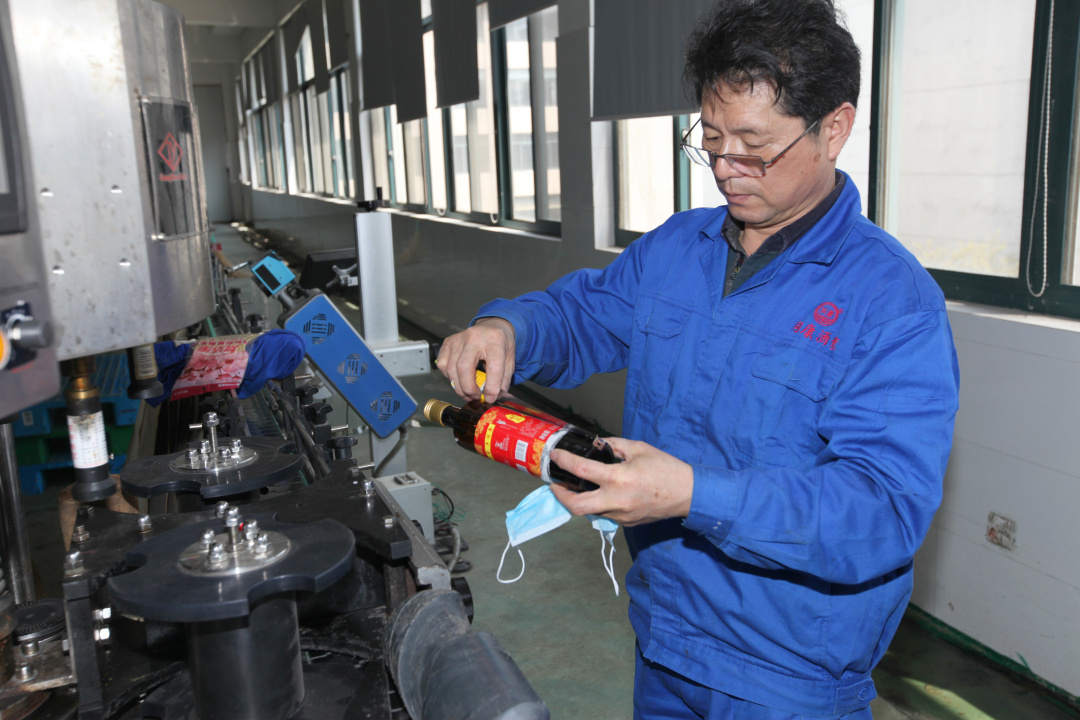
"Replacing man with machines and inheriting ancient methods are not contradictory. In the past, brewing relied entirely on workers' experience, leading to inconsistent quality between batches. High-precision equipment now provides Tongkang products with greater quality assurance," Yang Chun said.
"Wine aroma improves with age." For storage, Tongkang stubbornly adheres to traditional earthen jars. "The unique capillary pores in earthen jar walls allow gas exchange but not liquid leakage, effectively facilitating the wine's natural aging—something that stainless steel tanks cannot replace."
03
People in Taizhou are accustomed to calling yellow rice wine "old wine" (laojiu).
Yellow rice wine is a Chinese specialty, holding an important position among the world's three major fermented alcoholic beverages (yellow rice wine, wine, beer). However, over 70% of its production and consumption are concentrated in Jiangsu, Zhejiang, and Shanghai, giving it a strong regional character. Tongkang's products are not only well-known locally in Taizhou but also reach places like Ningbo, Nanjing, and Shanghai. Yet, they also face fierce competition—not only from domestic yellow rice wine giants but also from other alcoholic beverages: compared to white liquor, taking the high-end route is challenging; compared to beer, it is often perceived as lacking appeal to younger consumers.
The market is like sailing against the current; if you don't advance, you fall behind. Time-honored brands cannot simply rest on their laurels. Innovation and development are the inevitable path.
Zhou Hao is from the "post-85s" generation. In recent years, his father Zhou Weiping has gradually handed over the management of Tongkang's operations to him. Seated at the antique "Eight Immortals" table in the Tongkang Museum, he enthusiastically discussed the future "offensive and defensive strategies" for Tongkang Liquor.
In product development: uphold tradition while innovating.
Currently, Taizhou cuisine is flourishing. Many Taizhou delicacies directly use yellow rice wine as an ingredient, such as walnut-stirred eggs, drunken raw shrimp, and crabs simmered in wine. Furthermore, in the renowned "home-style cooking" (jia shao) techniques of Taizhou cuisine, using yellow rice wine to deglaze the wok, remove fishiness, and enhance freshness is indispensable. Zhou Hao believes that high-quality cooking wine represents a new market for Tongkang to tap into. They have taken the lead among peers by introducing "zero-additive" aged cooking wine and flavored cooking wine.
"Yellow rice wine is both an alcoholic beverage and the most commonly used seasoning. We want to promote a new trend of bringing quality yellow rice wine into the kitchen," Zhou Hao said.
Besides yellow rice wine, in recent years Tongkang has also launched strong aromatic white liquors like "Yayun" and "Hongyun," entering the mid-to-high-end white liquor market, with top-tier products priced over a thousand yuan. They are also developing fruit wines like green plum wine and lychee wine to engage younger consumer groups.
In brand marketing: amplify the "century-old"brand.
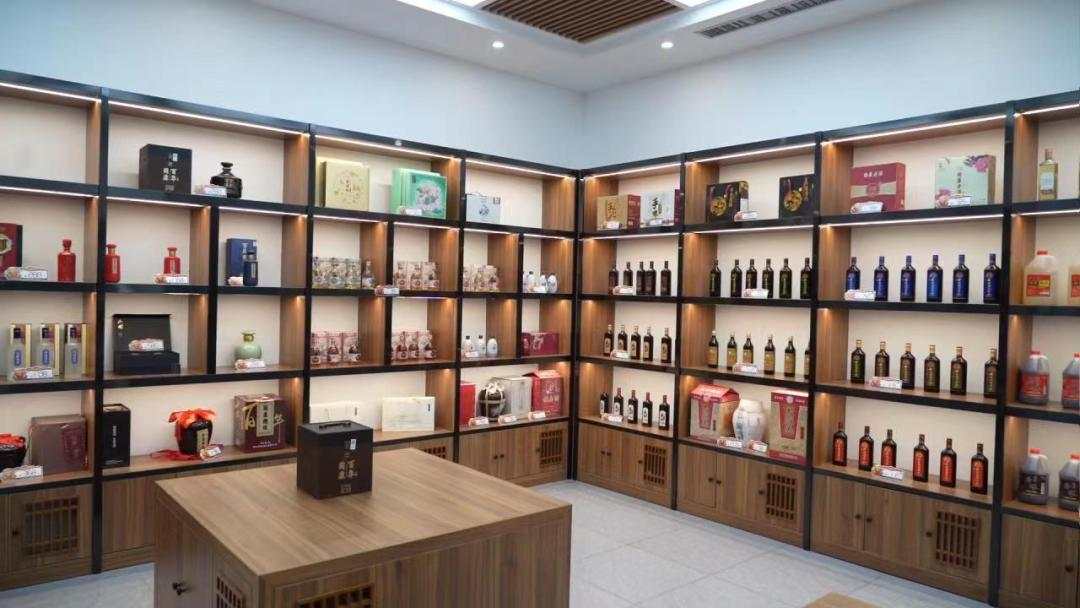
Tongkang is a well-known Zhejiang brand, a Zhejiang Time-honored Brand, and a Taizhou Time-honored Brand. In its home base of Jiaojiang, Tongkang currently operates 23 exclusive shops, all featuring a unified storefront design prominently displaying the characters "Bainian Tongkang" (Century-old Tongkang).
This year, Tongkang has two major initiatives in brand building: first, applying for recognition as a China Time-honored Brand; second, upgrading and renovating the Tongkang Liquor Museum to apply for 3A-level tourist attraction status.
It is understood that Tongkang Liquor is one of the few enterprises in Taizhou engaging in industrial tourism. Annually, over 20,000 primary and secondary school students visit Tongkang for tours and study programs.
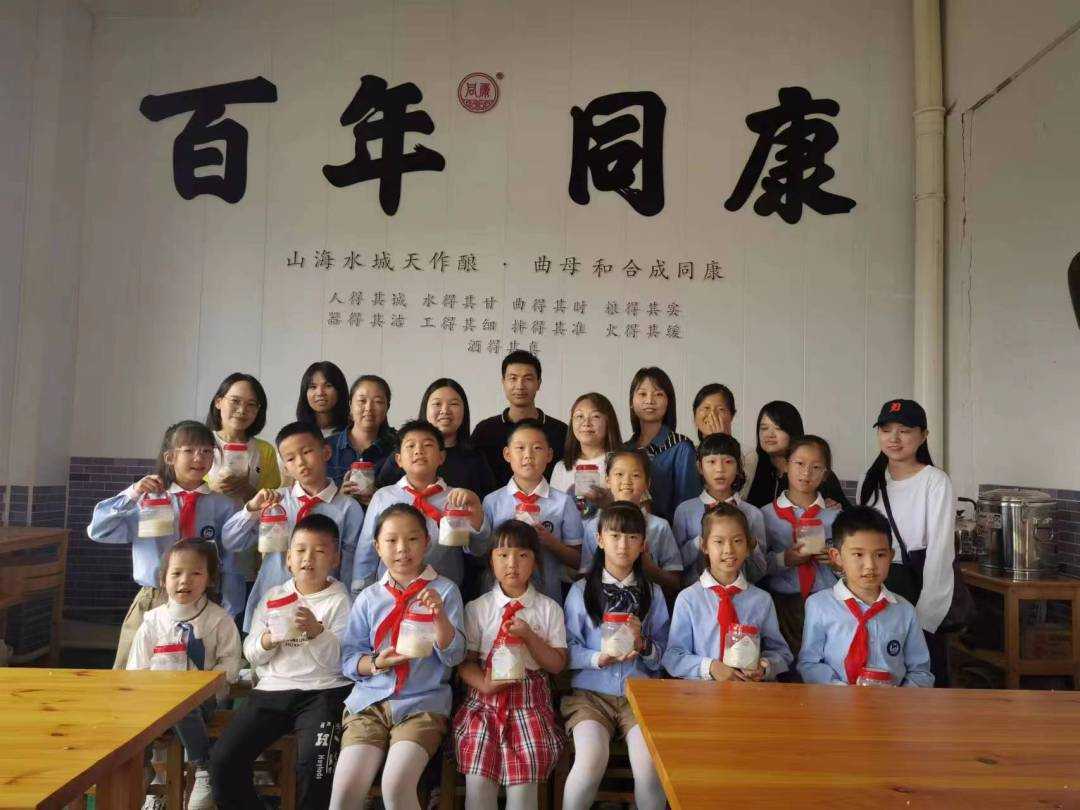
"When a primary school student visits us, it might lead the whole family to learn about and understand Tongkang. This museum serves both as an educational base for Taizhou's traditional history and culture and as a window to promote Tongkang's wine culture," Zhou Hao explained. He added that this year, Tongkang will also collaborate with travel agencies to introduce adult tour groups, using industrial tourism to drive product sales.
Zhou Hao is also a basketball enthusiast. The "Taizhou Tongkang Team" has participated multiple times in the Zhejiang Basketball Association Cup. In his view, sports marketing is another means to expand brand awareness.
Meanwhile, as a young person, he is energetically leading the century-old Tongkang to accelerate its embrace of the internet, with stores on platforms like Tmall and Pinduoduo, and plans to launch live-streaming sales on Douyin soon.
"Tongkang was the first enterprise in Taizhou to export yellow rice wine in bulk, but essentially, it remains a regional brand. E-commerce is the most effective way for enterprises to expand their reach and broaden their circle of friends," Zhou Hao said.
[Reporter's Notes]
Trust in Local Time-honored Brands
Looking at the time-honored brands we are familiar with, wine and medicine account for the majority. Examples include liquor brands like Fenjiu, Moutai, Wuliangye, and Luzhou Laojiao; and pharmaceutical brands like Tongrentang, Yunnan Baiyao, Dong'e E'jiao, and Hu Qingyutang.
This is a unique phenomenon.
Why is this the case?
I believe it's because in eras when productivity levels were not high, both brewing and medicine-making were technically sophisticated trades, and ordinary people tended to trust products backed by established brands.
During its peak, Tongkang's products dominated the markets of Wenzhou and Taizhou. Written records indicate that people had to pay in advance and wait for a period to purchase Tongkang wine, a testament to the public's trust in the brand back then.
Today's Tongkang wine benefits from both century-old inherited techniques and a modern factory. Yet, some still perceive local wines as not refined enough for formal occasions.
This brings to mind the story of "Jiugui Liquor." Xiangquan Wine was originally an obscure local wine from Xiangxi, Hunan. The painter Huang Yongyu, who had a fondness for his hometown's wine, designed its packaging and named it "Jiugui Liquor." Jiugui suddenly became a nationally renowned high-end liquor.
Hopefully, in the future, when friends from out of town visit Taizhou, we can proudly place Taizhou time-honored brands like Tongkang on the table and say, "Come, come, let's taste some of Taizhou's fine wine!"
That, too, is a form of cultural confidence.
Translator:Jiayang Lin