
Shabu Dried Tofu: A Century of Heritage, Five Generations of Dedication
In the unremarkable soybean, the artisans of Shabu Town in Huangyan District, Taizhou City, Zhejiang Province, see extraordinary potential. They transform carefully selected, soaked, and processed soybeans into fragrant dried tofu pieces. In June 2021, the "Shabu Dried Tofu Production Techniques" were inscribed onto the eighth batch of the Taizhou City Intangible Cultural Heritage Representative Projects list.
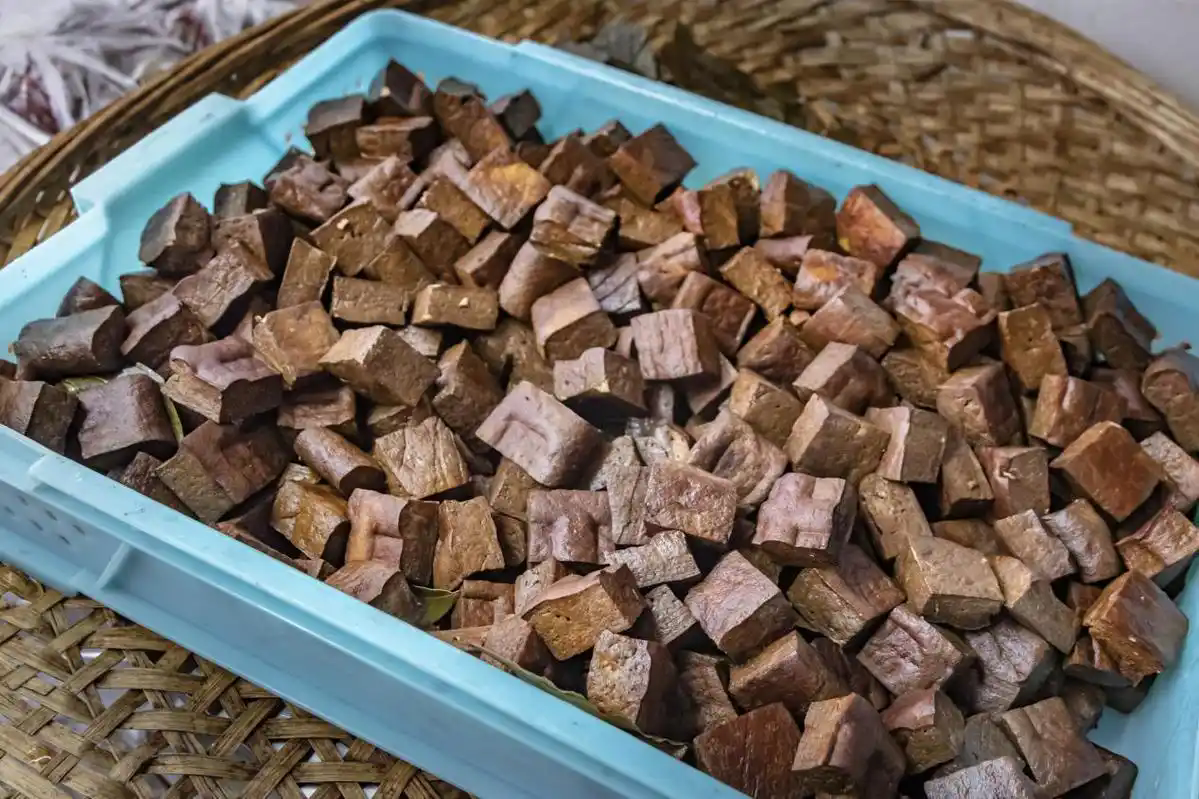
The people of Huangyan have a deep appreciation for dried tofu. During festivals and holidays, a dish of dried tofu is an essential item on every family's dining table. On the historic Old Street in Shabu, there is a century-old shop named "Zhu Ji Authentic Shabu Dried Tofu." For nearly a hundred years, they have strictly adhered to the traditional Shabu dried tofu craftsmanship, never cutting corners, driven by a dedication to preserving this most authentic, time-honored flavor.
Zhu Haifeng is the fifth-generation inheritor of the Zhu Ji dried tofu-making technique. To maintain the traditional flavor and texture of the tofu, he insists on using quality ingredients, refusing adulteration, and continuing the traditional manual production methods. Behind the creation of these exquisitely delicious pieces of dried tofu lies the perseverance of five generations of Zhu Haifeng's family.
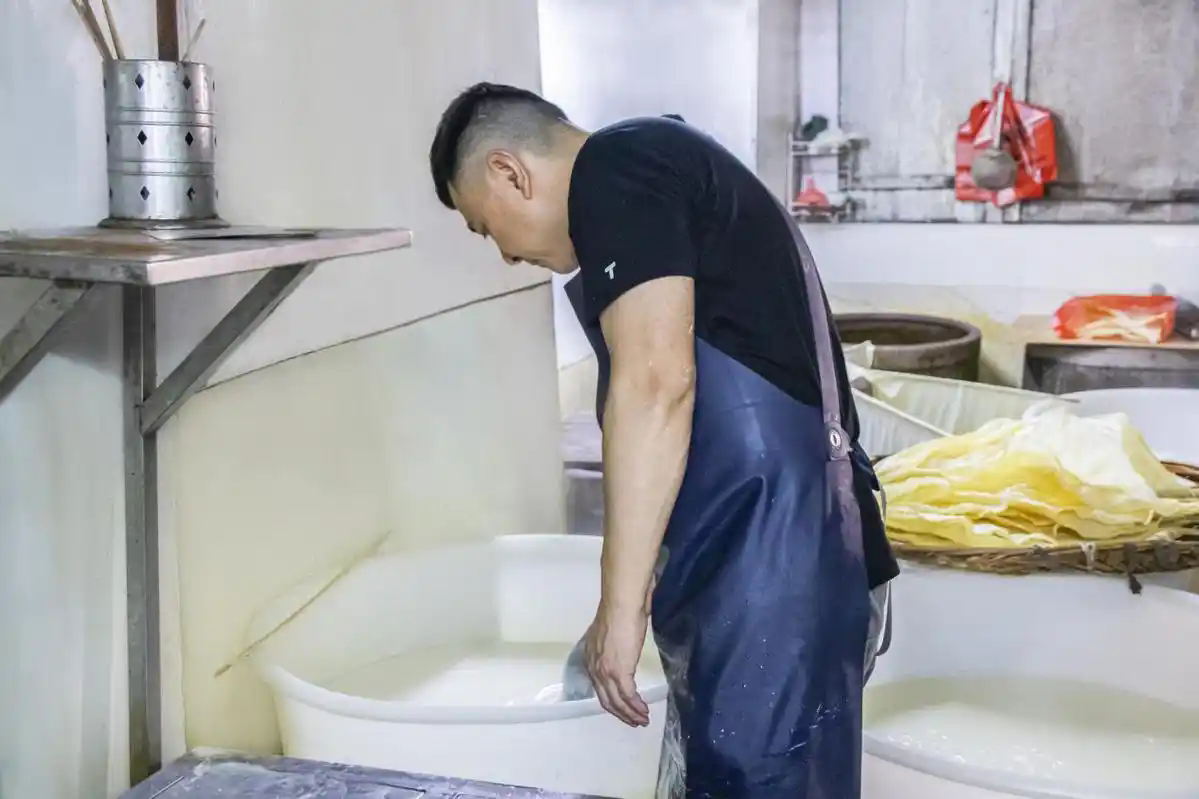
Before all the steps involved in making dried tofu, the first task is selecting the finest raw material: the soybeans. Late every night, Zhu Haifeng carefully picks high-quality beans, choosing those with the best color to soak in clean water. After a night, the beans, awakened by the water, swell, becoming soft and plump.
At dawn, Zhu Haifeng grinds the soaked soybeans into rich, fragrant soy milk. The milk is then poured into a vat and boiled with steam. The heat and timing during boiling are crucial; overheating can affect the quantity and texture of the bean curd later coagulated.
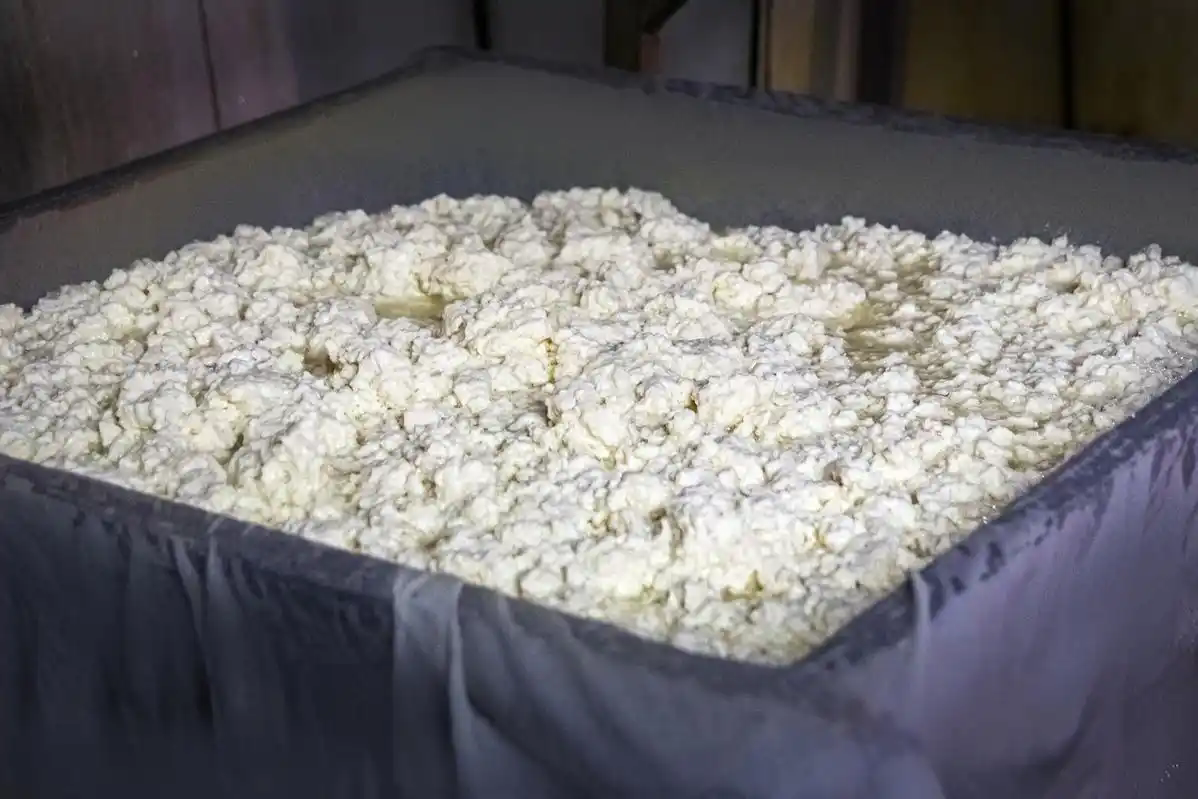
The boiled soy milk contains bean dregs. After filtering it through a white cloth, the milk is allowed to cool slightly. Then, brine is slowly added. This step is vital. Unlike traditional methods, Zhu Ji uses pure brine for coagulation, resulting in exceptionally tender bean curd and a more uniformly dense and smooth vegetable protein structure.
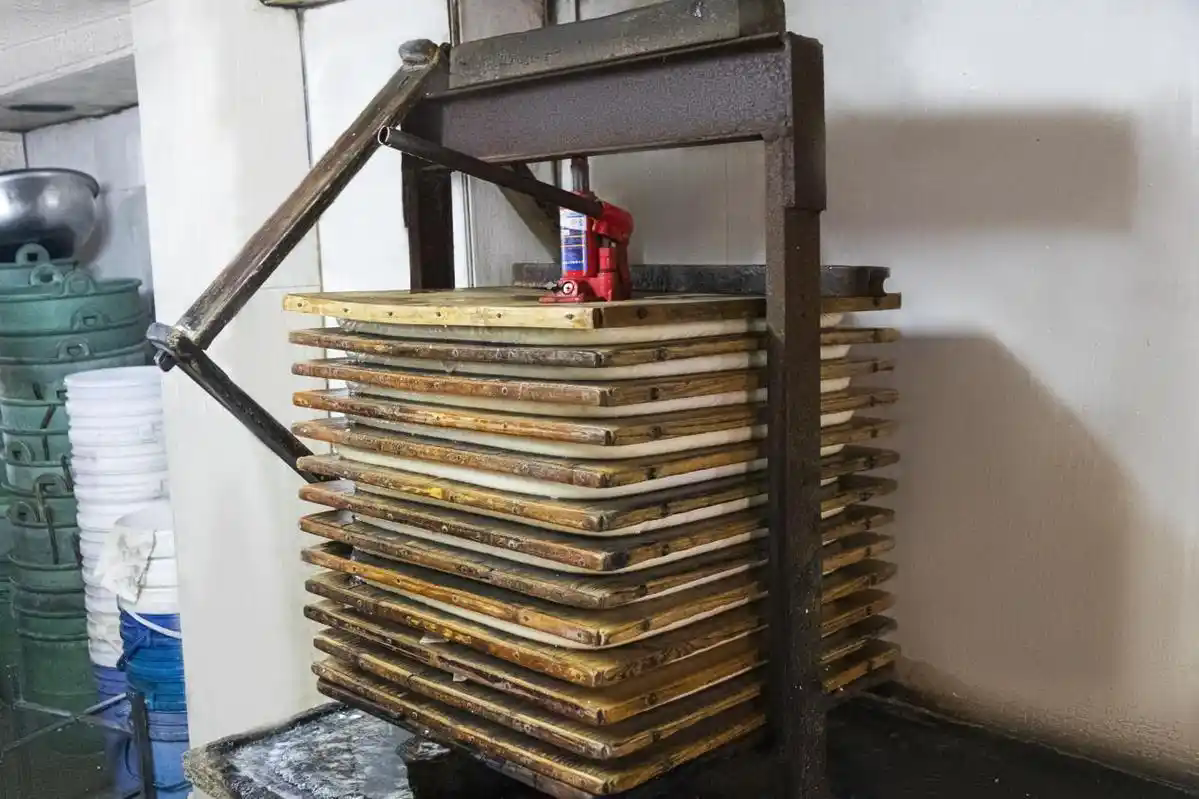
The coagulated bean curd is carefully poured into a wooden frame, spread in even, flat layers. To press out as much water as possible and ensure the tofu is firm, springy, and chewy, considerable force is required. Zhu Haifeng has his own technique; he abandoned the traditional method of using heavy stones and instead employs a hydraulic jack to press the tofu, saving significant effort.
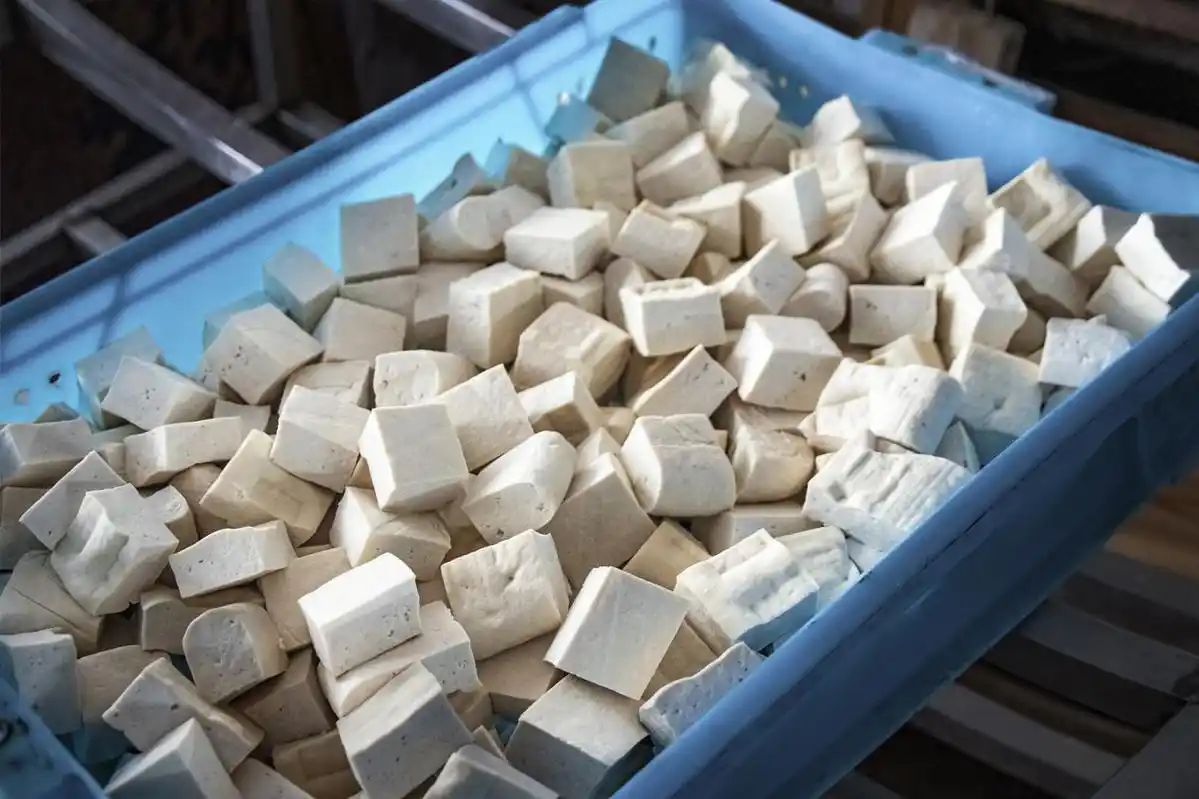
Once pressed, the firm tofu block is cut into pieces along the grid lines and left to dry. Then comes the most critical step: marinating in spiced brine. The brine is Zhu Haifeng's secret weapon, a fragrant concoction simmered with over a dozen natural spices. The dried tofu pieces are simmered in this brine until they absorb all the flavors, turning a rich brownish-red color. This process is time-consuming and labor-intensive, but Zhu Haifeng consistently refuses to skimp on time or ingredients. It is precisely this commitment that has earned the Zhu family's craft lasting praise from the local community.
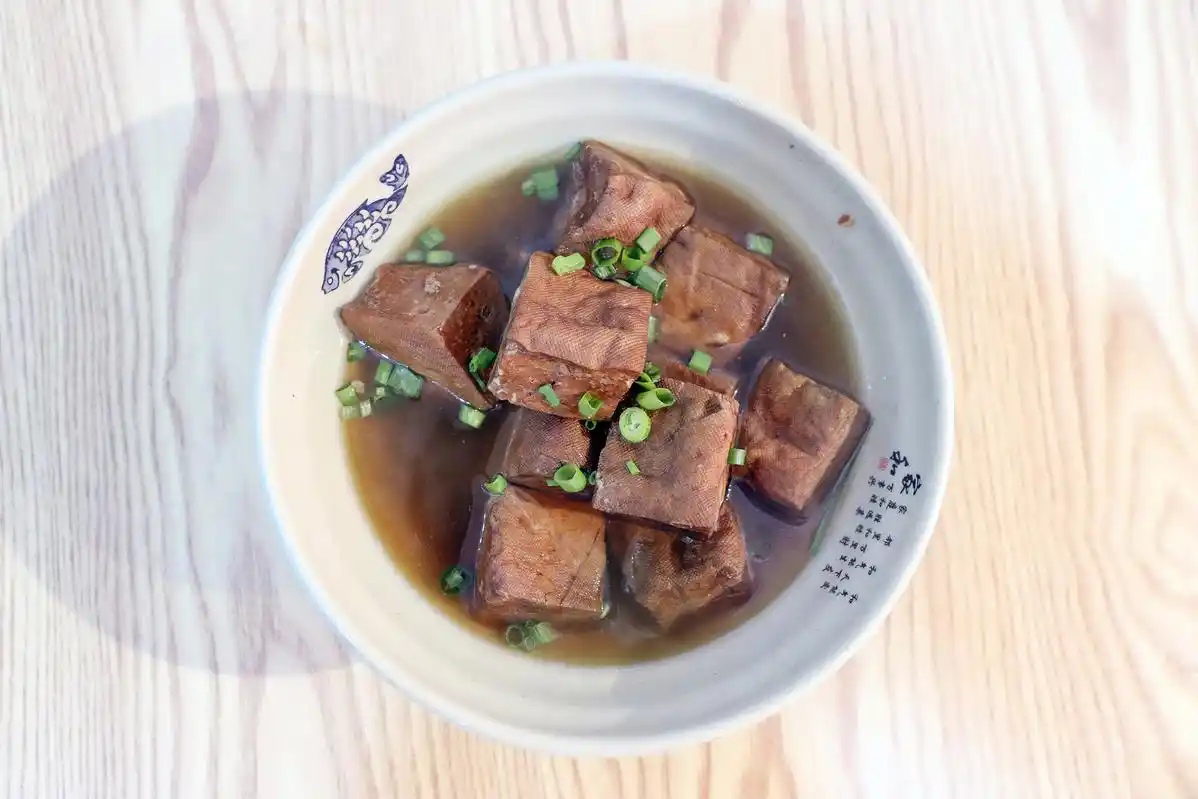
A visitor Mr. Zhou remarked, "I've been eating Shabu dried tofu for over ten years. It has a subtle five-spice flavor, tastes delicious, and leaves a wonderful, lingering aftertaste. It's a true delicacy on the dining table. Whenever I have guests, Shabu dried tofu is an absolute must."
Translator:Jiayang Lin