
The Rise of Taizhou Cuisine: The Confidence and Strategy Behind Building a City of Gastronomy
01
Background of the Bid for City of Gastronomy
The title of "City of Gastronomy," the highest honor for global culinary cities, is awarded by UNESCO. As of November 2021, only 49 cities worldwide have received this distinction, five of which are in China: Chengdu in Sichuan Province, Shunde District in Foshan (Guangdong Province), Macao Special Administrative Region, and Yangzhou and Huai'an in Jiangsu Province. Recently, at the Taizhou Cuisine Industry Development Conference, the Taizhou Municipal Party Committee and Government formally unveiled an ambitious blueprint and implementation strategy for Taizhou to become a "City of Gastronomy." So, what exactly gives Taizhou the confidence to aspire to join the ranks of the world's great food cities?
► Market Recognition of Taizhou Cuisine
Taizhou, a city of gastronomy, is renowned for its unique "Taizhou Cuisine," nurtured by its distinctive landscape, waters, and culture. The phrase "A feast here outshines all under heaven; a bay's seafood retains its freshness for millennia" best encapsulates its culinary character. The uniquely fresh, sweet, soft, and sticky flavors have made the reputation "The Ultimate Freshness and Sweetness is in Taizhou" popular across the country. The single character "freshness" captures the essence of Taizhou Cuisine, while "fresh-sweet" represents its pinnacle pursuit.
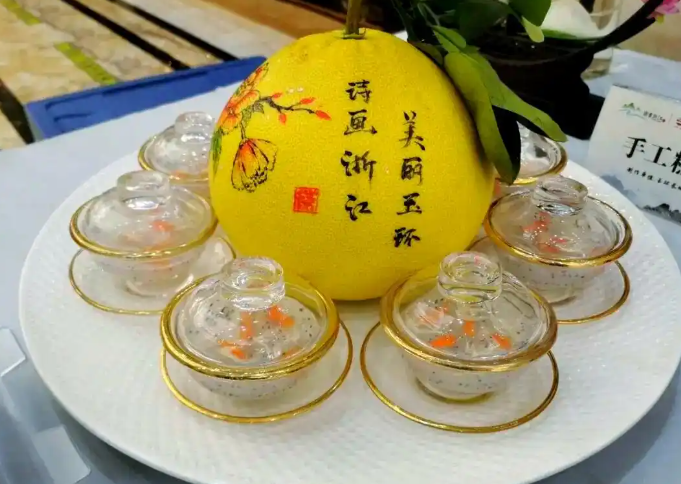
Today, on social media, Taizhou Cuisine, with its distinctive flavors described as "fresh and savory, sweet and delightful,soft and chewy," is immensely popular among young people. Taizhou has become a culinary holy land in the hearts of food lovers, an irresistible "poetry and distant lands."
► Unique Flavor and Influence of Taizhou Cuisine
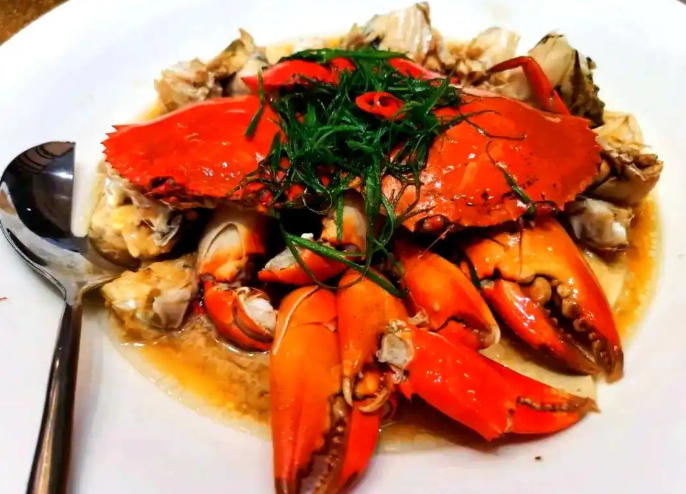
In recent years, Taizhou has gained significant attention for its unique culinary experiences. Numerous renowned food bloggers and influencers have flocked to this gastronomic paradise, embarking on spontaneous food journeys. Representatives of Taizhou Cuisine like Xin Rong Ji have gained fame far and wide, earning widespread acclaim not only in first-tier cities like Beijing and Shanghai but also becoming a choice for high-end banquets.
02
Regional and Cultural Fusion in Taizhou Cuisine
► Multiculturalism and Culinary Art
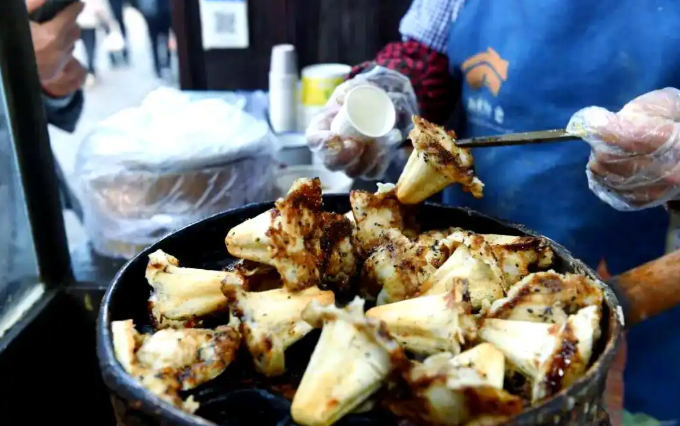
Taizhou's abundant mountain and sea resources, coupled with its multiculturalism, have infused "Taizhou Cuisine" with rich depth. Its culinary system integrates mountain flavors, seafood flavors, and plains flavors, showcasing the culinary art of "cooking the mountains and boiling the sea, where simplicity is the ultimate sophistication." The "soft and chewy" texture, a unique dietary habit and cultural element of Taizhou, is deeply ingrained. Qian Gao (Stuffed Rice Cake) is a standout example, with its preparation process and taste reflecting exquisite craftsmanship. Freshly steamed japonica rice balls are laid out on a counter, covered with cloth, awaiting customers. The vendor pinches off a small piece according to demand, rolls it into a round wrapper, and lets the customer choose from various fillings. Finally, adding some braised pork belly, large or small intestines, and pouring in a ladle of the braising sauce—with one bite, the warm, sticky rice skin is infused with meaty aroma, while the fresh, crisp vegetables balance the richness of the sauce, creating perfect harmony.
► The Beauty of Fusion in Local Snacks
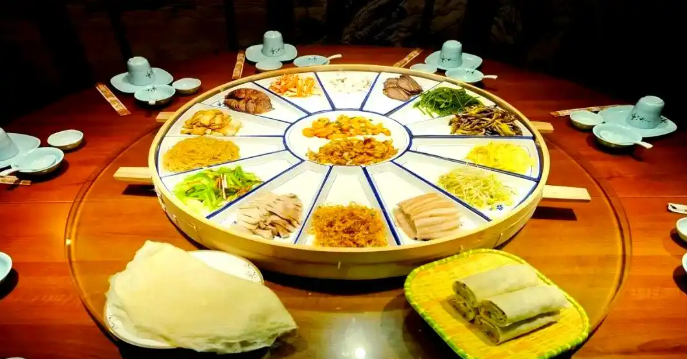
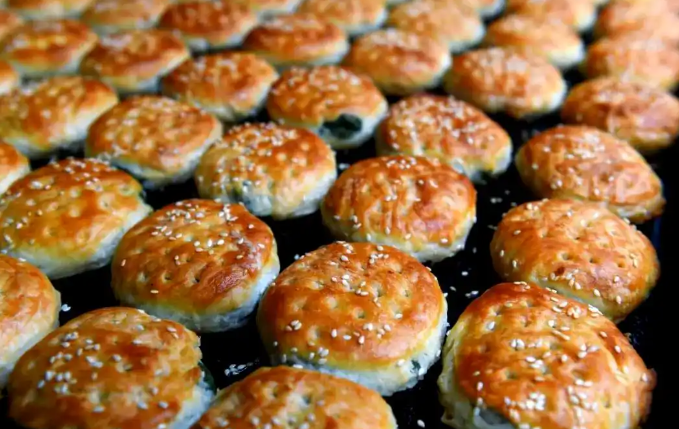
For Mai Bing Tong (Wheat Flour Wrap), beloved by the people of Taizhou, its beauty of "harmony and unity" (Hehe) is fully displayed. Taizhou, a place full of "fusion" beauty, boasts a wide variety of snacks. "Harmony and fusion" foods like Mai Bing Tong are deeply loved by locals. Statistics show Taizhou has over a hundred kinds of snacks with "fusion" characteristics. Additionally, there are 34 provincial or municipal-level recognized intangible cultural heritage items related to food and drink, such as Baishuiyang Tofu Making Techniques and Taizhou Prefectural City Traditional Snack Making Techniques, all showcasing Taizhou's profound culinary cultural heritage.
03
Brand Leadership and Economic Impact
► Formation and Development of a Brand Matrix
The development of Taizhou's culinary brands is equally noteworthy. In recent years, the city has built a robust matrix of "restaurant brands + regional brands." Among them, "Xin Rong Ji," a leader in Taizhou's food industry, has performed exceptionally well. Since winning its first Michelin star in 2016, it had accumulated a total of 49 Michelin stars by the end of December 2022, making it the Chinese food brand with the most Michelin stars. Under the leadership of Xin Rong Ji, several other outstanding establishments have emerged in Taizhou's culinary scene.
04
Tourism and Cultural Integration
► Intertwining Natural Beauty and Culinary Culture
Taizhou, a city home to three national 5A-level tourist attractions—Mount Tiantai, Shenxianju, and Taizhou Prefectural City—features stunning landscapes where mountain and sea scenery blend with ancient city charm and water rhythms. Red culture, the poetry road culture, Song Dynasty charm culture, harmony and fusion culture (Hehe), and maritime culture converge here. These beautiful landscapes not only nurture unique local cuisine but also serve as vivid carriers of its food culture.
► Boosting City Image Promotion
While savoring the food, visitors can deeply feel the perfect integration of Taizhou's natural scenery and its culinary culture. Such gastronomic feasts undoubtedly provide powerful impetus for promoting "Taizhou Cuisine." In city promotion, food is undoubtedly a highly charming medium. When government and local forces jointly promote "Taizhou Cuisine," local specialties and delicacy become the most direct and vivid advertisement for the city.
Unity is strength. On the journey towards becoming a "City of Gastronomy," Taizhou is full of confidence and ready, awaiting the opportune moment.
Translator:Jiayang Lin