
The "Taizhou Cuisine" Cherished by Literary Figures Embodies the Harmony of Mountains and Seas
Recently, Shen Hongfei, a renowned food writer and chief consultant for the documentary “A Bite of China”, posted a signature Taizhou dish—Braised Tiantai Mountain "Xiaogou" Beef with Satay Sauce—on his personal social media platform. Before being rediscovered by Lin Jia Yi restaurant, a representative of Taizhou cuisine, this rare mountain delicacy remained little-known. Lin Jia Yi restaurant pioneered a unique approach, transcending regional boundaries by blending local Taizhou ingredients with traditional Southern Fujian satay sauce. Through this cross-regional fusion of flavors, the taste of Tiantai "Xiaogou" beef was brought to life in an extraordinary way.

Throughout history, Taizhou cuisine has been cherished by literati and food connoisseurs alike. Lu You, a Southern Song dynasty poet, traveled to Taizhou and alluded in his poetry to the gentle warmth of ginger noodle soup, highlighting the harmony between food and nourishment. During the late Ming dynasty, the traveler Xu Xiake explored Tiantai Mountain and praised the pure, authentic taste of Taizhou’s mountain delicacies like bamboo shoots and mushrooms in his travel notes, describing them as exceptionally fresh and clean. In the Republican era, Zhu Ziqing, while teaching in Linhai, sampled Bai Shuiyang tofu and wrote in his essay Winter: "Tender and smooth, like the reversed lining of a white fox fur coat," capturing the delicate simplicity and comforting warmth of tofu in his prose. Xiang Shiyuan, a Linhai literatus, summarized the essence of Taizhou’s “Zao Geng” with the line, "Seafood and mountain treasures blend, keeping the women in the household busy," illustrating the inclusive nature of Taizhou cuisine, which embraces ingredients from both land and sea, embodying the principle of harmony. Through their writings, these figures depicted the fresh and authentic flavors of Taizhou cuisine, interpreting the unique charm born from the fusion of mountains and seas, and bringing this culinary culture hidden in Jiangnan to a wider audience. Behind their words lie Taizhou’s unique geographical endowment, nestled between mountains and sea, the profound influence of harmony culture, and the distinctive essence of Taizhou cuisine—drawing from the mountains and seas while preserving tradition and embracing innovation.
Located in eastern Zhejiang, Taizhou’s geographical layout, nestled between mountains and sea, has shaped its unique culinary foundation.
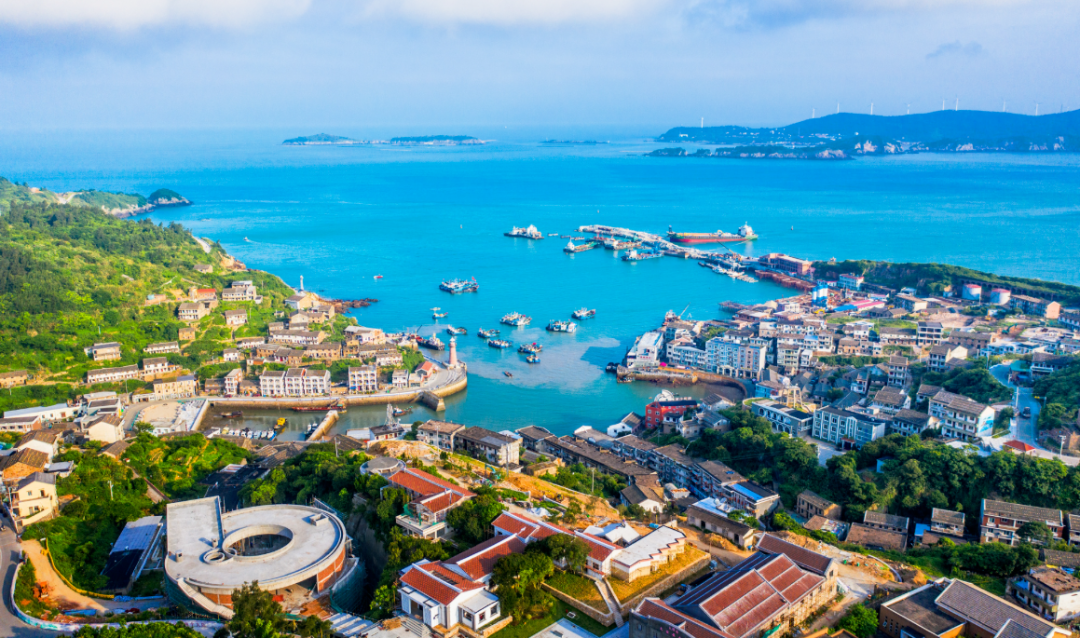
In the early morning at East Sea fishing ports, as fishing ships return with their horns sounding, fresh catches like Sanmen green crabs, Wenling mudskippers, and Yuhuan hairtail fish are delivered directly to the docks. Without the need for long-distance travel, they bring the crisp freshness of the sea straight to the dining table. Among the western mountains, seasonal mountain treasures such as Tiantai bamboo shoots, Xianju native pork, and Huangyan stream fish offer the gentle gifts of the forest with every bite. This advantage of having both mountain and sea ingredients forms the treasure trove of Taizhou cuisine, providing literati and scholars with vibrant inspiration from nature’s bounty whenever they describe the flavors of Taizhou.
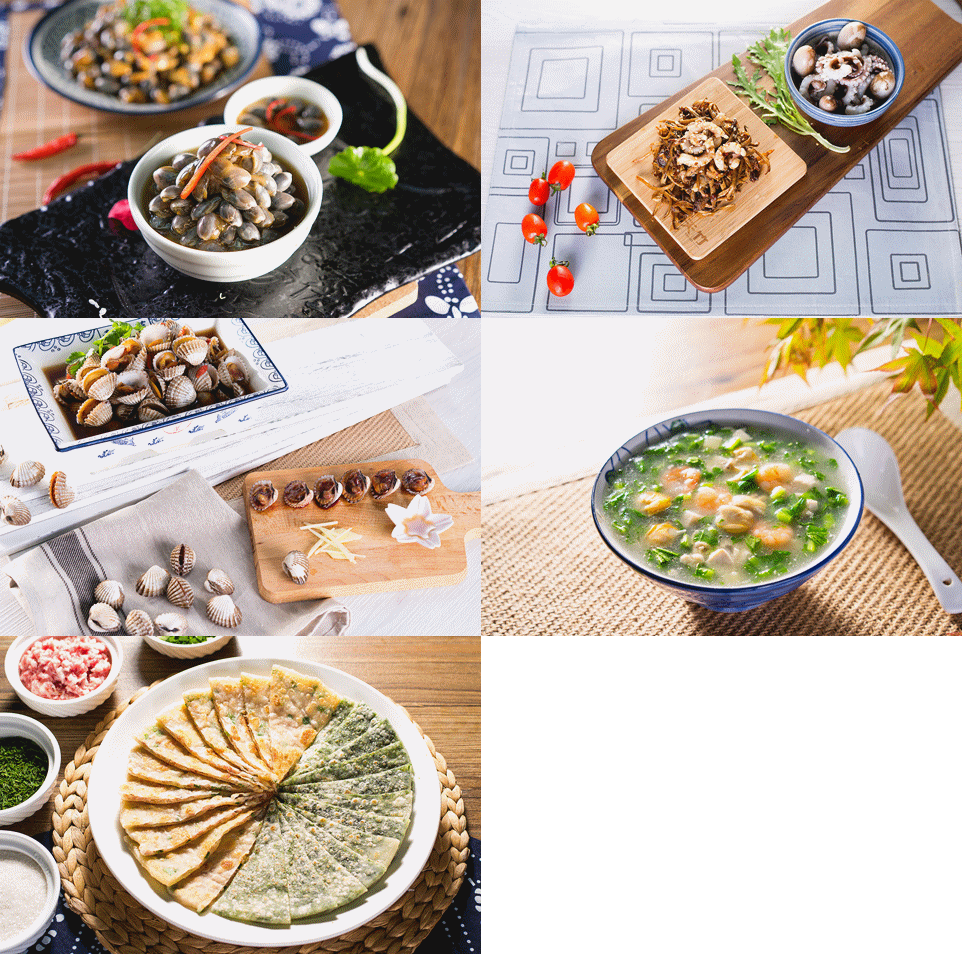
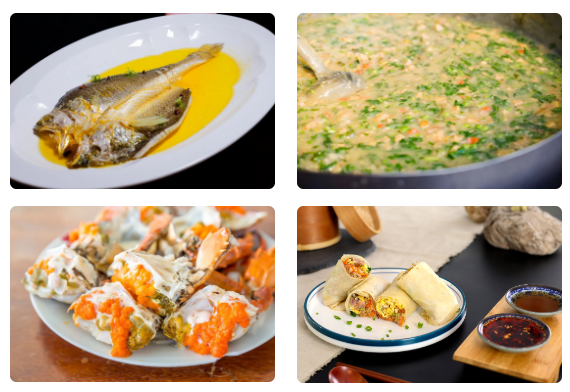
As the birthplace of “Hehe” culture, Taizhou integrates the principles of "valuing harmony, moderation, understanding, and tolerance" into its culinary fabric, giving rise to the inclusive, restrained, and profound characteristics of Taizhou cuisine. The fresh authenticity of home-style braised yellow croaker, the nourishing combination of ginger soup noodles, the all-encompassing nature of stuffed rolled pancakes, the harmonious blend of flavors in “Mai Xia” soup, the balanced sweetness of “Egg-White Lamb Tail” pastries, and the smooth cohesion of “Zao Geng”—these traits are precisely why literary figures across generations have been fond of describing Taizhou cuisine. It avoids excessive embellishment, yet captivates hearts with its genuine taste. It is unassuming, yet within the fusion of mountains and seas lies a unique character that reflects the inclusive spirit of harmony.
Taizhou takes the mountains and seas as its canvas and harmony as its soul. The essence of Taizhou cuisine lies in "drawing from the mountains and seas while staying true to authenticity." Each dish serves as a flavorful IP for the city, and every aroma tells a vivid story of its regional culture. From the literary depictions of its flavors to its recognition as a culinary destination in the Michelin Guide, Taizhou cuisine is stepping out of Jiangnan and onto the global stage with renewed vitality. Today, Taizhou is fully committed to its bid for the UNESCO City of Gastronomy, deeply integrating its culinary culture with tourism and shared prosperity. This effort aims to make the flavors of Taizhou cuisine and its harmony culture a distinctive city emblem.
The descriptions by literati across history have etched the flavors of Taizhou cuisine into the annals of time. Meanwhile, Taizhou’s dedication to preserving and innovating its culinary culture is breathing new life into these mountain-and-sea flavors, steadily advancing toward the goal of becoming a City of Gastronomy. Through the tastes of Taizhou, more people are coming to appreciate the city’s deep connection to its natural surroundings and its spirit of openness and inclusivity.
Translator:Jiayang Lin