
Taizhou In-depth Observation: How is Taizhou Building "Food Streets"?
In recent years, Taizhou cuisine, known for its "freshness, sweetness, and chewy texture," has gained widespread popularity. Renowned food bloggers and tourists continue to flock to Taizhou to explore its culinary delights. To accelerate the agglomeration and development of Taizhou's food industry and promote its expansion and quality improvement, the city is intensifying efforts to build and upgrade several distinctive food streets characterized by comprehensive infrastructure, a concentration of dining brands, diverse business formats, and well-managed services.
Launching the Renovation Project of Xiqing Old Street: Creating "Vibrant Xiqing, a Street of Fresh Flavors"
Yuhuan Xiqing Street
On the 15th day of the eighth lunar month, the Mid-Autumn Festival, the festive atmosphere filled every corner of Xiqing Street in Yuhuan.
Around 3 p.m., the restaurant "Juwei Lou" on the old street was bustling with activity. Owner Wu Haiping was preparing Yuhuan's local delicacy—sweet potato flour dumplings—for the evening service. "I learned this skill from my grandmother and mother when I was young. In the past, the fillings were simpler, just with dried tofu and turnip. Now, young people prefer seafood, so we add diced shrimp and fresh squid," he said.
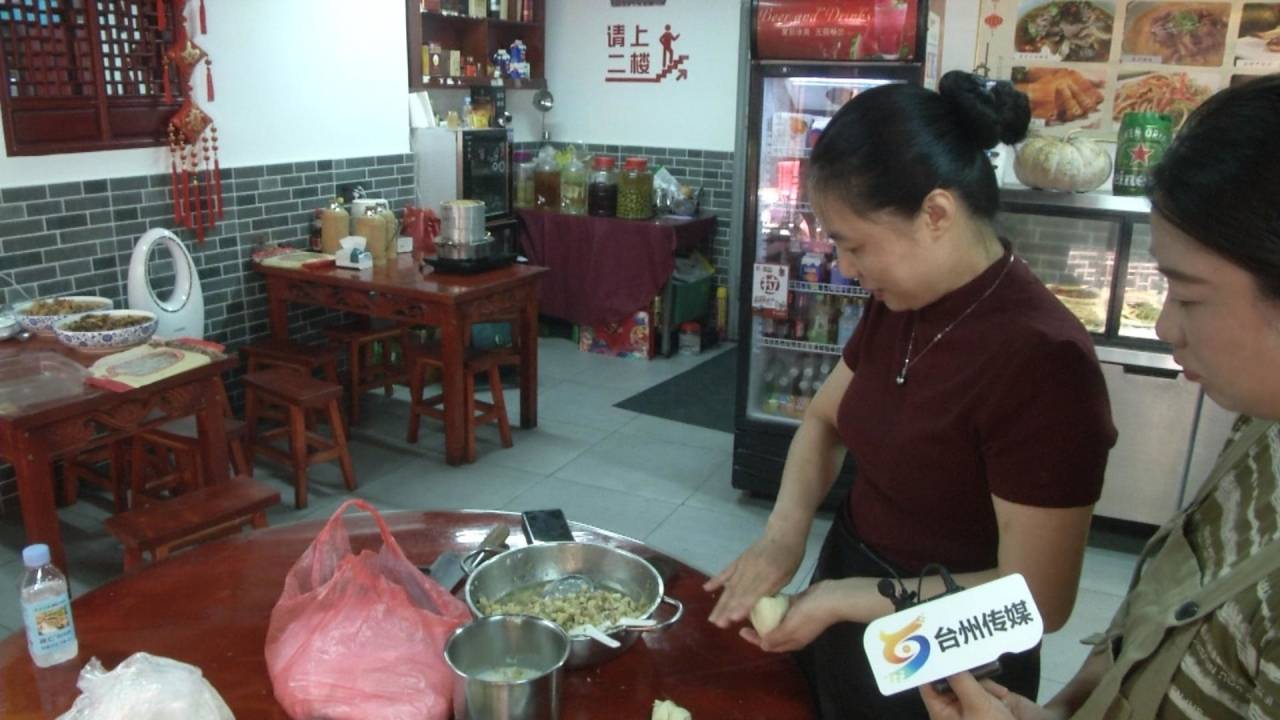
This is the first restaurant opened by Wu Haiping, specializing in Yuhuan's local dishes. Thanks to its unique flavors, it has become quite popular and gained a reputation as a "hidden gem" on the old street in just one year. "Business is pretty good now, with many customers, especially during holidays when the foot traffic is huge," Wu added.
On Xiqing Street, there are several other restaurants like Juwei Lou that highlight Yuhuan's local characteristics. Originally built during the Yongzheng era of the Qing Dynasty, Xiqing Street has a history of over 300 years. Located in the heart of Yuhuan's old town, it stretches 230 meters from east to west, lined with shops on both sides. Though not long, this old street has witnessed Yuhuan's development and holds memories for generations. However, over time, the buildings on the street have gradually deteriorated, and issues such as traffic congestion and lack of functional space have become increasingly prominent.
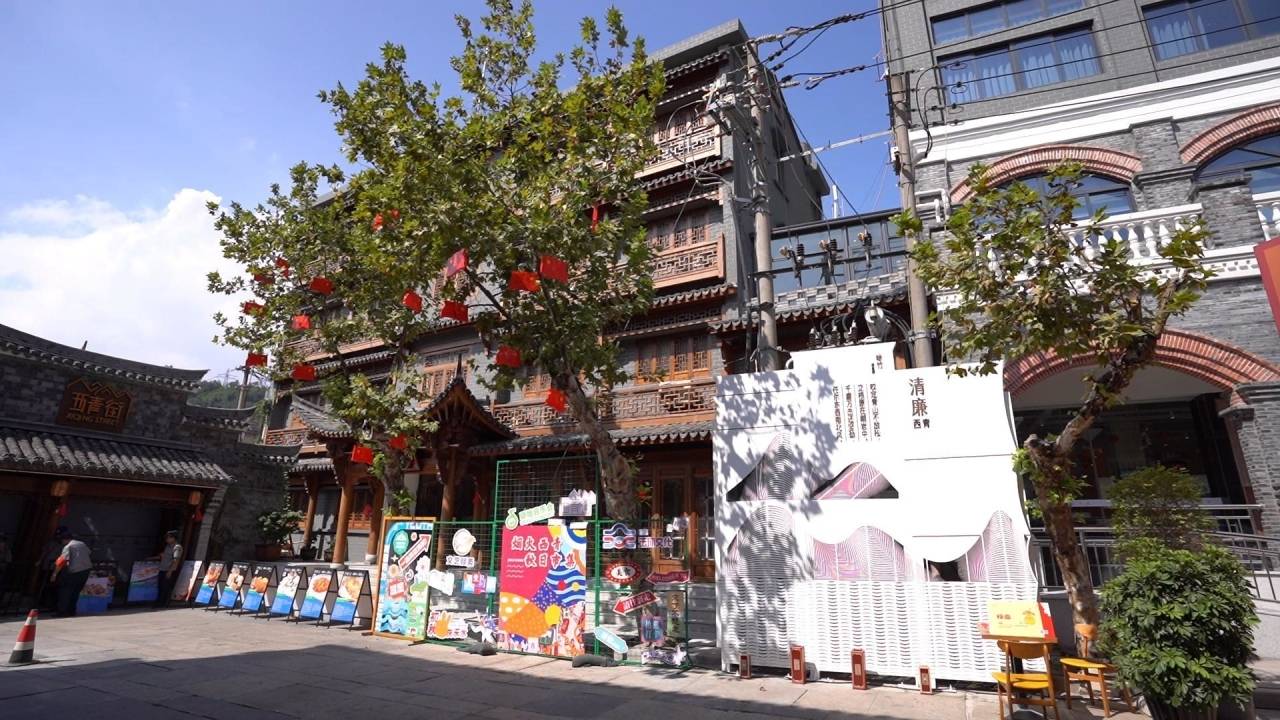
"As the only old street in Yuhuan with historical significance, it is truly precious. It should be preserved, and its historical and cultural value should be excavated to support Yuhuan's cultural and economic development," said Lu Xialong, a resident of Xiqing Street.
In 2022, Yuhuan launched the renovation project for Xiqing Old Street. While restoring historical buildings, the local government also established a management company for Xiqing Street to create a "vibrant and flavorful old street." Targeting different demographics, the street introduced renowned dining brands with unique characteristics and opened new cafes and bars.
Yang Fuxiang, head of the management team for Xiqing Street, said, "The older generation doesn’t call it Xiqing Street but 'Glutton Street,' because it has always been filled with food shops. The street was largely completed in July 2022 and is a key project by the government, focusing on guochao (Chinese trend), food, and culture."
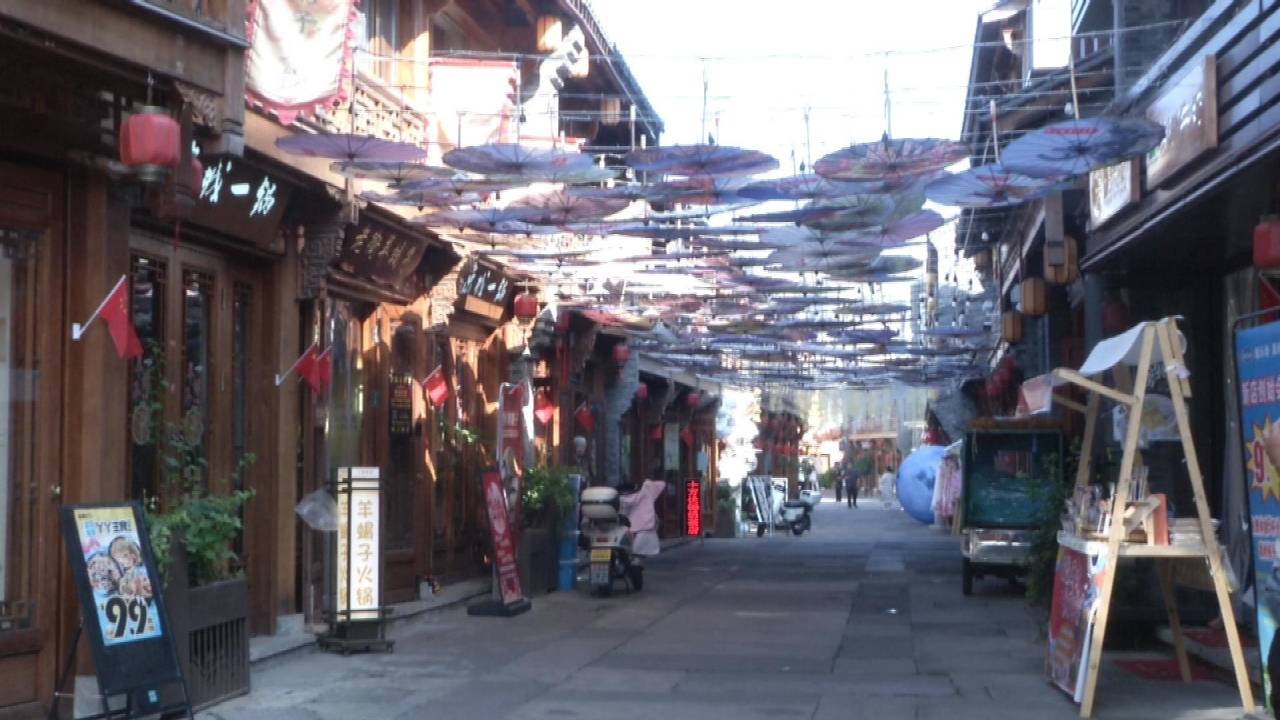
Today, the old street is bustling with residents and tourists, exuding a vibrant atmosphere. A visitor from Yuhuan remarked, "After the renovation, it has become a great place for nearby residents and even urban dwellers to stroll, play, eat, and drink. It’s the only one of its kind in the entire city."
Yang Fuxiang added, "We assessed the entire street and decided to preserve some of its historical and cultural elements. Therefore, our investment attraction focused on introducing brands related to food culture, guochao, and internet-famous cultural and creative products. Currently, the occupancy rate of shops on the street is quite high, reaching 80%."
It is reported that the total leasable area of the Xiqing Street district is 7,876 square meters, with 6,261 square meters already leased, accounting for 79.5% of the leasable area. The weekly foot traffic in the district averages about 7,000 people, with weekly sales reaching approximately 260,000 yuan.
Introducing Five "Time-Honored" Food Stalls from Jiaojiang to Create a Jiaojiang Seafood Night Market Street
Taizhou Seafood Night Market
While visitors on Xiqing Street savor Yuhuan’s delicacies, about 70 kilometers away, the Taizhou Seafood Night Market by the Yongning River on Gongren West Road in Jiaojiang is also welcoming diners eager to experience the lively stall atmosphere. "The dishes are flavorful, and the prices are reasonable. The dining environment is great, especially in summer, enjoying the sea breeze while eating. It’s lively and bustling—exactly the stall atmosphere we wanted," said one diner. "We used to eat at the old store on Jiaojiang Lundu Road. Now, with the new store here, the environment is even better, and the home-style dishes are delicious."
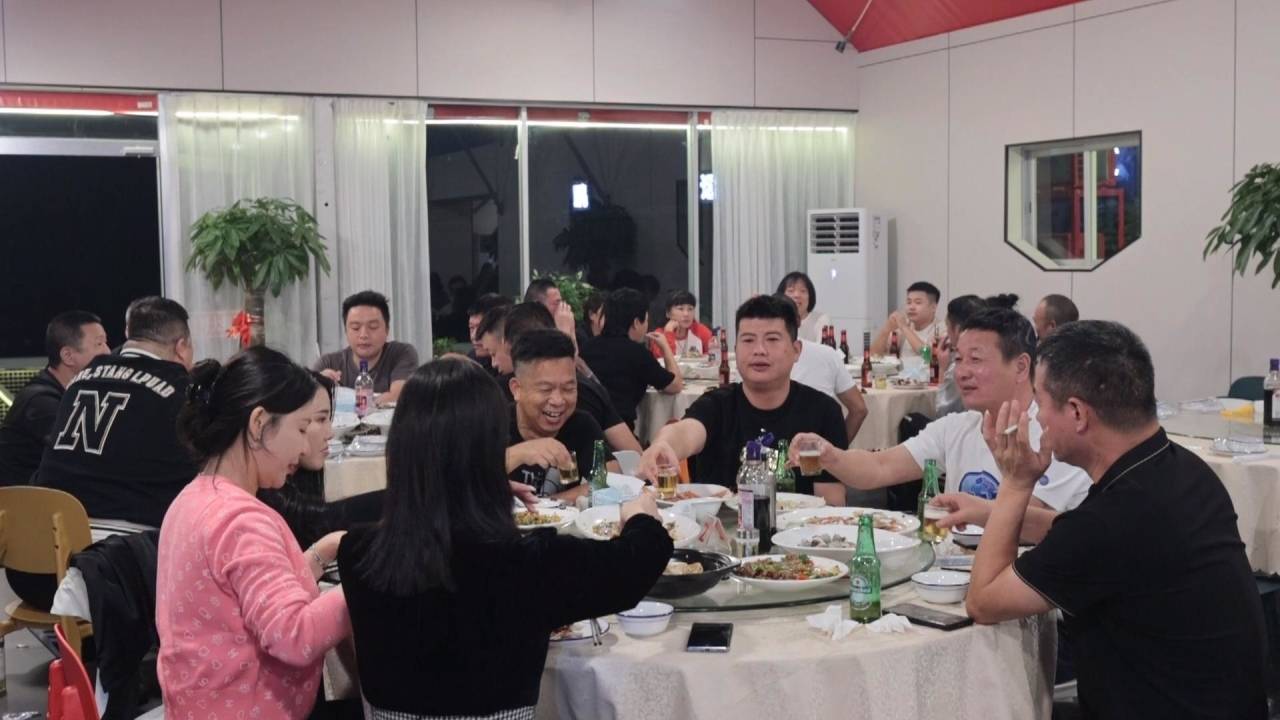
The Taizhou Seafood Night Market is constructed and operated by the Jiaojiang District Social Development Group. Planning began in July this year, with a unified design and layout. Five "time-honored" food stalls from Jiaojiang, including "Golden Fishing Harbor," "Pier No. 7," and "Xin Yi Pao Seafood Stall," were introduced to create the Jiaojiang Seafood Night Market Street.
Li Shanzhi, head of the Taizhou Seafood Night Market under the Jiaojiang District Social Development Group, said, "Jiaojiang’s food stalls were already famous, but they were spontaneously formed back then, with poor and messy environments. Now, by centralizing them here, we aim to develop the night economy and preserve everyone’s memories of Jiaojiang’s night stalls."
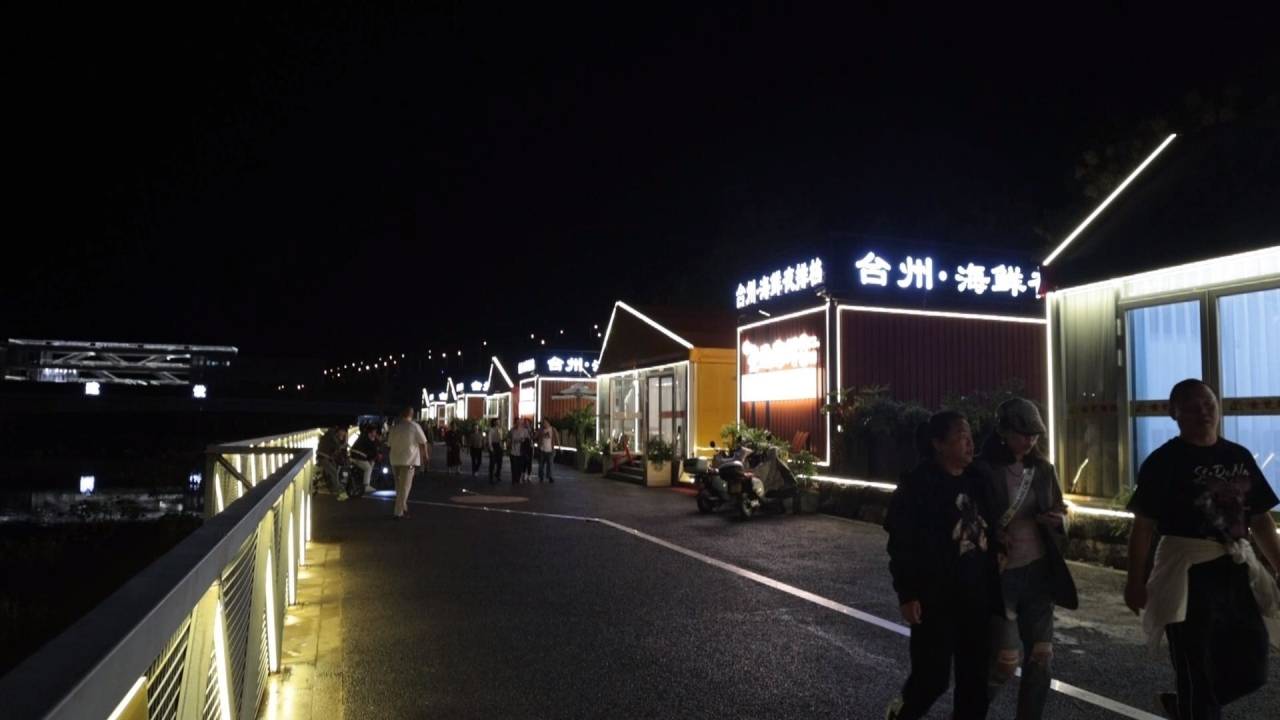
The new seafood night market retains its characteristic riverside location, allowing diners to enjoy the river breeze, night views, and seafood. In less than a month since its opening, it has become a new scenic and culinary "check-in spot" in Jiaojiang. During the recent holiday season, all five night stalls were fully packed every day. Preliminary estimates suggest that the total revenue during the Mid-Autumn and National Day holidays reached about 1 million yuan, with foot traffic reaching tens of thousands. "The environment here is clean and tidy, and business is great. During the holiday, we served 20 to 30 tables daily," said Tao Yuxiang, owner of Golden Fishing Harbor in Jiaojiang.
Weng Fei, head of Jiaojiang Yang Laoda Seafood Stall, also praised the creation of the seafood night market. "There are very few places in Jiaojiang where you can gather for late-night snacks, and options are limited. Opening a store here not only has government support but also allows us to operate alongside many other stalls. It’s really great."
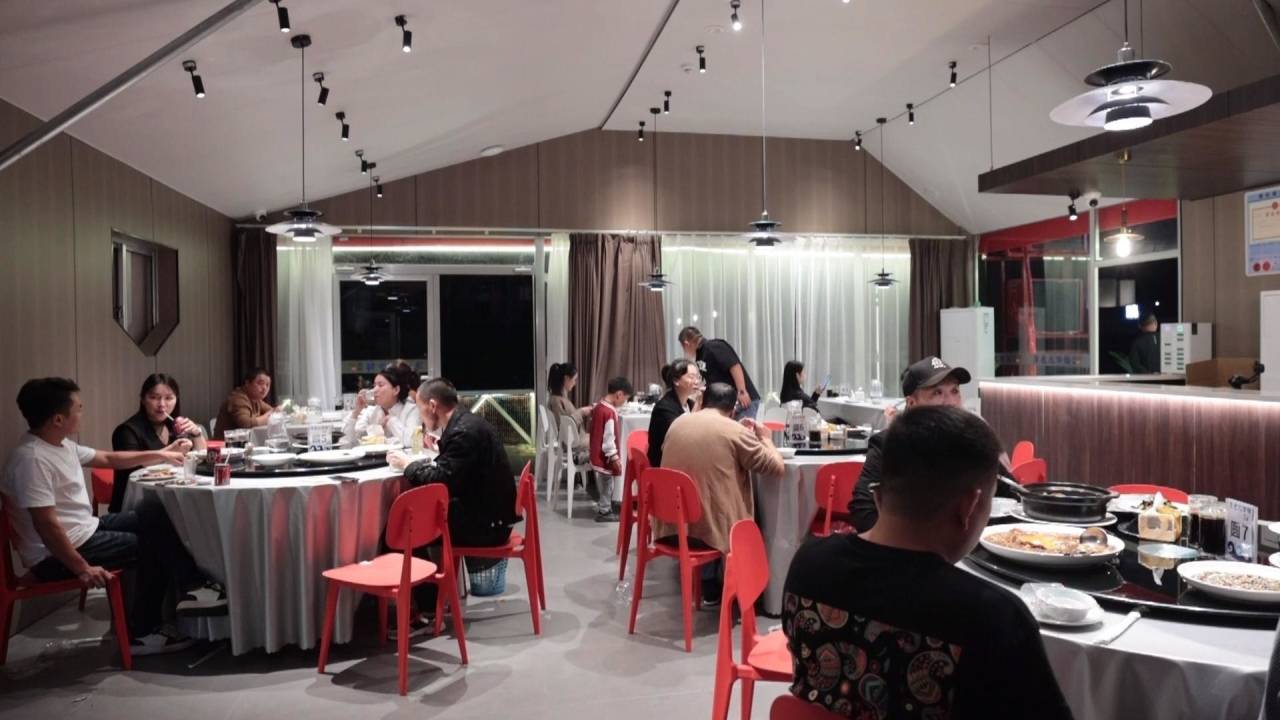
To enhance the dining experience for the public, the Jiaojiang Social Development Group has actively improved services and operations, imposing stricter requirements on the stalls’ hygiene, food safety, and pricing. Additionally, they have partnered with "An Shifu," a designated driving company, to facilitate parking for visitors.
Li Shanzhi explained, "To make it more convenient for customers, we signed an agreement with An Shifu Designated Driving Company to provide free parking services. If customers need a designated driver, they will charge for that service separately."
Taizhou Chinese Food Street Expected to Open by Year-End
Taizhou Chinese Food Street
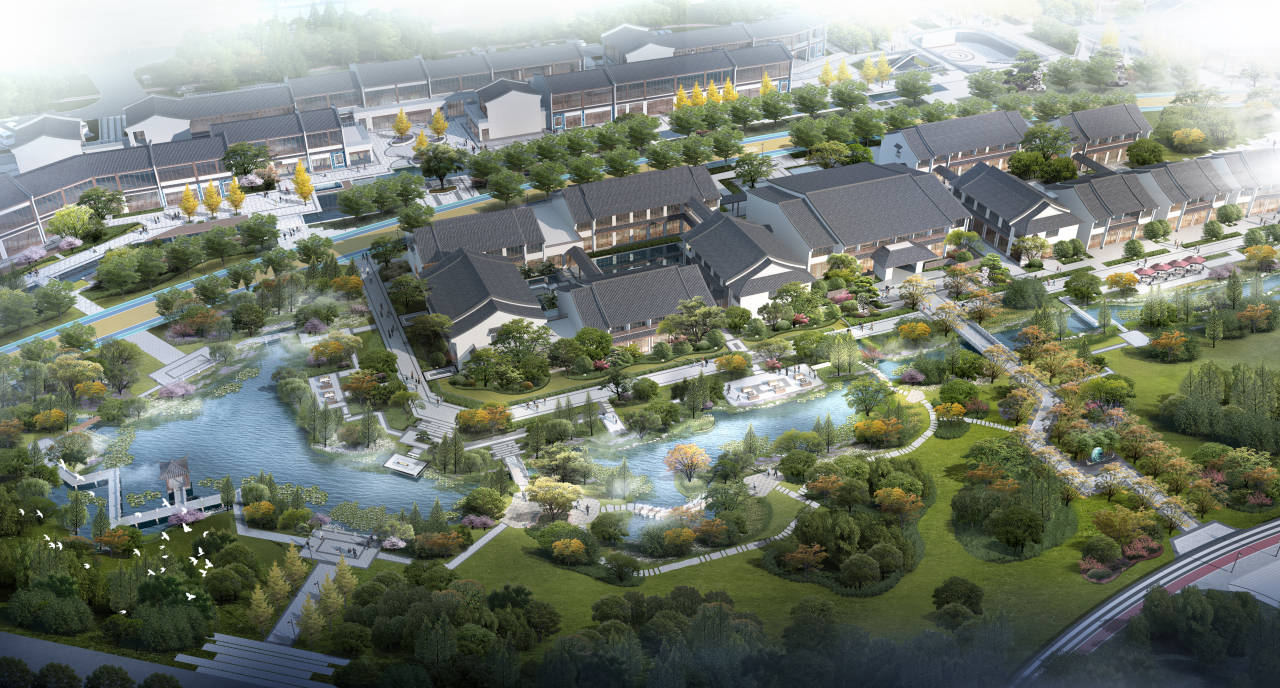
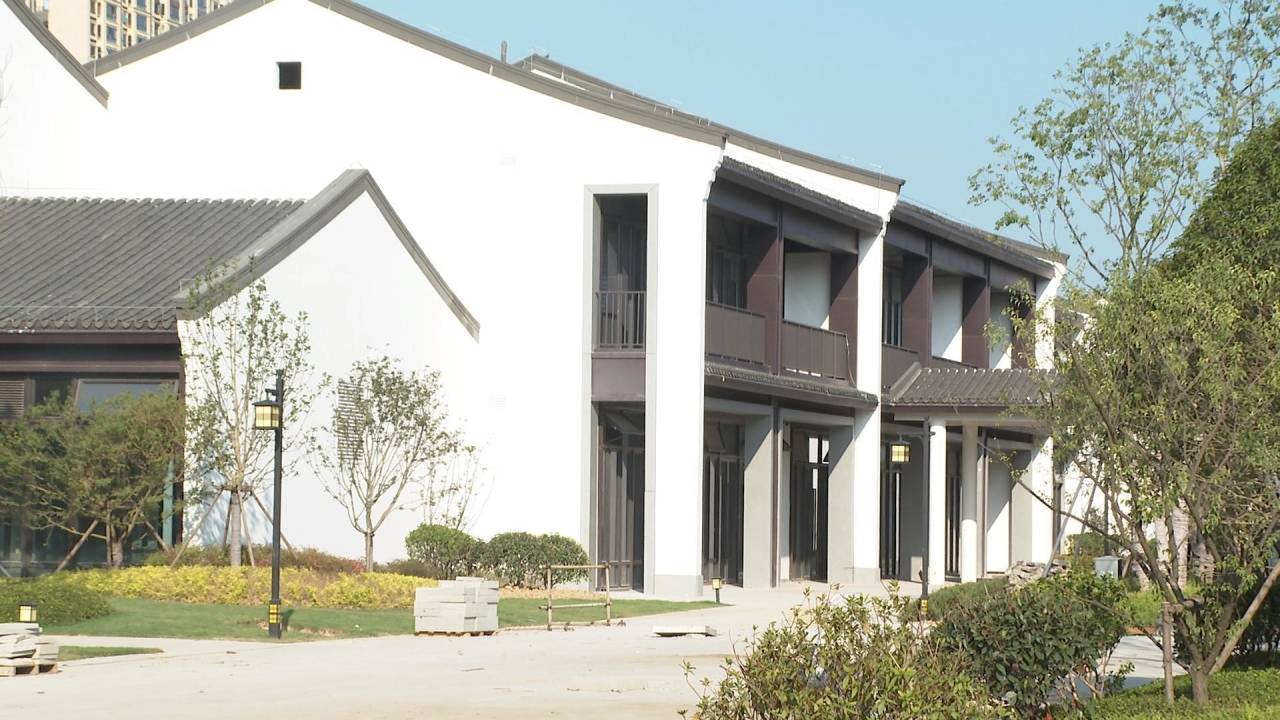
Heading south along Taizhou Central Avenue, in the Xinhai Urban Shared Space of the commercial and trade core area, a row of Hui-style buildings with white walls, black tiles, and brick-carved gate towers stands out. This is the Taizhou Chinese Food Street, scheduled to open by the end of the year. On-site, over a hundred workers are rushing to complete the final stages of construction.
Shen Binji, a staff member of the Engineering Department of the Taizhou Commercial Core Area Development and Construction Investment Group, said, "The civil engineering is basically complete, with only some repairs and cleaning left. About 80% of the outdoor landscaping is finished, and we are currently working on ground paving and planting. To meet the completion deadline, we are expediting the construction."
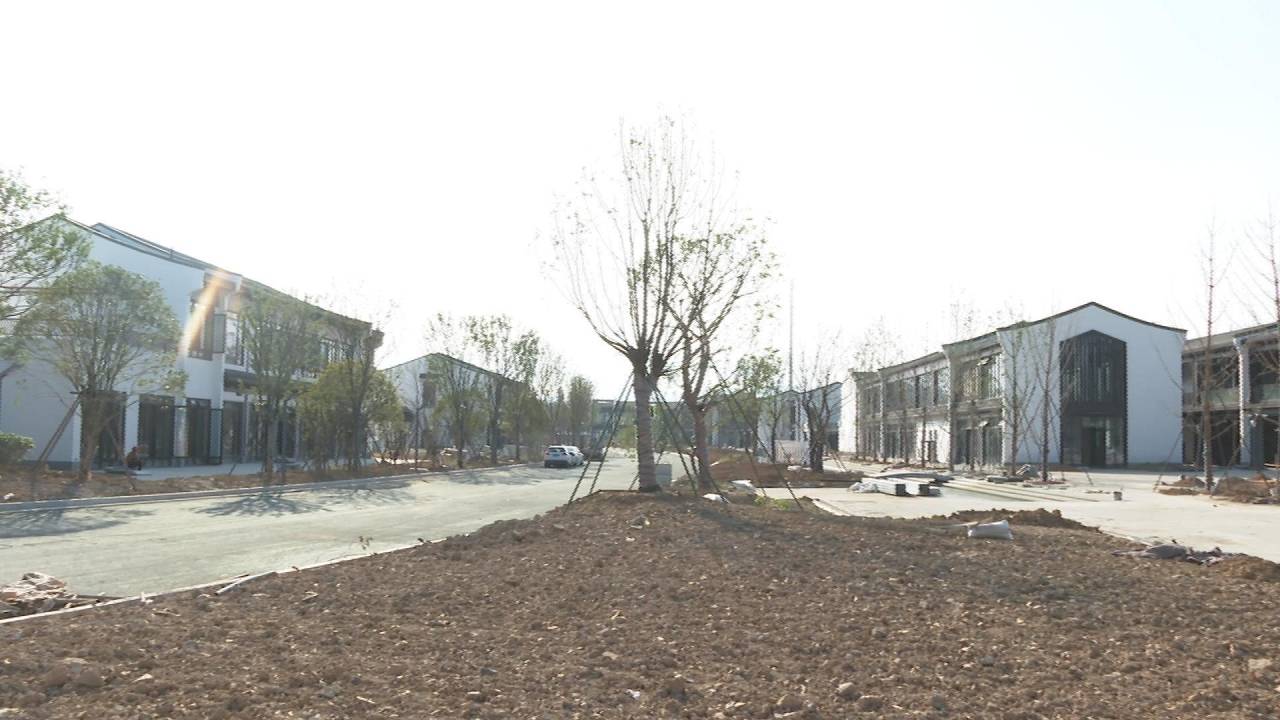
Taizhou Chinese Food Street spans from Central Avenue in the east to Hongjiachangpu in the south, near Taizhou Avenue in the west, and Yijiangshan Avenue in the north. It covers a total area of 550 acres with an investment of 1.6 billion yuan. It is a major landmark project under the "Six Major Districts" construction plan of Jiaojiang District for 2023 and has been included in the provincial cultural and tourism "Double Hundred" major project list and the provincial “Thousand Projects, Trillion Investment” initiative in the cultural and tourism sector. The project leverages unique natural scenery and cultural heritage, integrating "Hehe Culture" to create a new urban name card for the "Mountain-Sea City."
Chen Qidu, from the Taizhou Commercial Core Area Development and Construction Investment Group, said, "The food street will not only feature local snacks but also well-known delicacies from across the country. It will also be the most concentrated area for high-end dining in Taizhou. Additionally, we have introduced well-known resort hotels and recreational and competitive formats. There will also be internet-famous check-in spots for everyone to enjoy."
Chen Qidu revealed that 15 catering enterprises have expressed interest in setting up shop in the district, including Michelin three-star restaurants, Black Pearl restaurants, and renowned brands from must-eat lists. Among these, over eight are expected to open their first stores in Taizhou. "From an urban planning perspective, this food street is located in the core sector of the commercial and trade area, offering excellent prospects for expansion and future development. The implementation of these formats will significantly elevate the city’s commercial landscape," Chen added.
15 Food Streets Reported for Creation Across the City
According to relevant departments, food street projects are important initiatives for cultivating new consumption hotspots and vigorously promoting the development of the cultural and tourism industry. They play a significant role in prospering the local commercial and trade economy, igniting the city’s "vibrant atmosphere" , and promoting the integrated development of business, tourism, culture, and sports. "Compared with neighboring cities, Taizhou’s food street construction faces challenges such as weak infrastructure, insufficient exploration of food culture, inadequate branding and packaging of streets, and limited marketing. There are few large-scale, high-quality, and distinctive food streets across the city," said Chen Caineng, deputy director of the Taizhou Commerce Bureau’s Business Development Promotion Center.
In the first half of this year, the Taizhou Commerce Bureau issued the "Taizhou Food Street Construction Promotion Work Plan" and formulated the "Food Street Evaluation Indicators," further clarifying the construction goals and standards for food streets across the city. Currently, 15 food streets have been reported for creation across the city.
In the next phase, Taizhou will continue to leverage government guidance, policy support, and environmental optimization, adhering to market-oriented operations to attract social capital participation in the renovation, upgrading, and operational management of food streets.
"First, focus on investment attraction, targeting Michelin, Black Pearl, time-honored dining brands, and local characteristic dining brands to accelerate the introduction of high-quality dining resources and enhance the regional appeal and consumption agglomeration of food streets. Second, enrich business format design, coordinating development with street themes, and introduce fashionable commercial shopping, leisure, entertainment, cultural, creative, and sports formats to enhance the comprehensive competitiveness of the streets. Third, improve supporting facilities, strengthen street operational management, and integrate with smart business districts and 15-minute initiatives to further optimize and improve public service facilities and open spaces of the streets. Explore the construction of smart management service platforms. We require all areas of the city to determine the planning and site selection for one food street each by the end of 2023 and formulate construction plans. By the end of 2024, each area should complete the construction of one characteristic food street with complete infrastructure, concentrated dining brands, and well-managed services," said Chen Caineng.
Translator:Jiayang Lin